
Laser vascular closure

Dilated blood vessels often appear not only on the face, but also on the legs. For many people they are a source of complexes, fortunately, they can be closed so that they are no longer visible. For this purpose, it is worth opting for laser treatment, which does not cause discomfort and allows a quick return to daily activities.

Scroll down to learn more about the procedure and find answers to frequently asked questions.

Price

according to the clinic's current price list

Treatment time

15-90 minutes, depending on the area and extent of the lesions

Anesthesia

usually not required; contact cooling increases comfort

Area

face and legs, and depending on the indications, also other areas with superficial vascular lesions

For whom is laser vascular closure a good option?

Laser vascular closure is intended for people with visible telangiectasias, i.e. small dilated blood vessels. After prior qualification, the procedure may also be used for selected vascular malformations of the port-wine stain type and cherry angiomas.

Indications may also include redness and dilated blood vessels occurring in rosacea, especially on the cheeks and nose, as well as spider veins and reticular veins on the legs. Shallow, small vessels and deeper veins do not respond identically to therapy, so the laser parameters are selected individually according to, among others, the diameter, depth, color and location of the lesion. In the case of more advanced venous problems, the doctor may recommend additional diagnostics or another treatment method.

Preparation for the procedure

The skin to be treated should not be freshly tanned. Before laser therapy, avoid tanning beds, intensive sunbathing and self-tanners, as well as treatments and cosmetics that strongly irritate the skin.

Retinoids require an individual approach. Topical retinoids, such as retinol or tretinoin, are usually discontinued temporarily before and after the procedure to limit skin irritation - the exact interval should be determined by the doctor. Oral isotretinoin should not automatically be treated as an absolute contraindication to non-ablative vascular laser treatment; however, the patient must report its use during qualification, and the decision about the procedure is made by the doctor after assessing the skin, the dose and the current treatment.

About 7 days before the procedure, it is worth limiting substances and supplements with potential photosensitizing effects, if the doctor considers it appropriate. People prone to recurrent herpes should report this during the consultation - in selected cases, the doctor may recommend antiviral prophylaxis.

On the day of the procedure, inform the doctor about all medications and supplements you take, in particular anticoagulants, antiplatelet drugs, antibiotics, retinoids and herbal preparations. Do not stop taking medications on your own.

What does the laser vascular closure procedure look like?

At the Dr Szczyt Clinic, the Stellar M22 Nd:YAG laser with a wavelength of 1064 nm is used to close blood vessels. The light energy is absorbed by hemoglobin, which leads to controlled heating and closure of the vessel without cutting the skin. The device parameters are selected according to the type, diameter, depth and location of the lesion.

The procedure usually takes from 15 to 90 minutes, depending on the area and the number of vessels treated. Topical anesthesia is not routinely used, because in this protocol contact cooling increases comfort, and anesthetic preparations may affect the visibility and reactivity of the vessels. During the pulse, the patient may feel a brief pinch, burning or a sensation similar to a "snap of a rubber band".

With small lesions, a satisfactory result may appear after one session, while larger or more numerous vessels usually require a series of treatments. Subsequent sessions are planned after the skin has healed, often at intervals of about 6 weeks.

Recommendations after the procedure

After the procedure, you can return to your daily activities. Do not apply makeup to the treated area for the first 24 hours. Care for the skin gently and use products that support regeneration as recommended by the specialist.

For 3-7 days after the procedure, avoid cosmetics that may increase irritation, in particular retinoids (e.g. retinol and tretinoin), benzoyl peroxide, AHA/BHA acids, including glycolic and salicylic acid, as well as strongly astringent or alcohol-based toners. Until the skin calms down, also avoid intense exercise, saunas, hot baths and other factors that cause overheating and strong flushing of the skin.

For at least several weeks after the procedure, use high SPF 50 sun protection and limit direct sun exposure. Reapply sunscreen as recommended by the manufacturer and the doctor.

After the procedure: what to expect?

Typical, temporary reactions include redness, a feeling of warmth, slight swelling, pinpoint bruising and local bumps resembling a reaction to an insect bite. Redness and swelling are usually greatest in the first 24-48 hours and gradually subside. In some cases, small scabs may appear - do not scratch them off.

Contact the clinic if blisters form, if pain or swelling increases, if marked redness persists for more than 72 hours, if there are signs of infection or other worrying symptoms. In the case of greater swelling, the doctor may - if they consider it appropriate - recommend a topical anti-inflammatory preparation, including a steroid. Such preparations should not be used on your own without a consultation.

Important information

Duration of treatment

15-90 minutes, depending on the surface area and extent of the lesions

Required tests

usually none; the scope of qualification is determined by the doctor

Anesthesia

usually not required; contact cooling is used

Stay at the clinic

discharge immediately after the procedure

Recovery

usually a few days; redness and swelling are usually most intense in the first 24-48 hours. You can usually return to work and daily activities quickly, depending on the area and the skin's reaction.

Makeup

do not apply to the treated area for 24 hours

Photoprotection

SPF 50 and avoiding intense UV exposure as recommended by the doctor

Suture removal

-

Dressing changes

-

Who performs the procedure

Dr Aleksandra Rymsza

Contraindications

Contraindications or situations requiring the treatment to be postponed include, among others, pregnancy, a recent tan and use of self-tanning products, active infections and skin lesions in the treatment area, active cancer, epilepsy, implanted electronic devices requiring individual assessment, a tendency to form keloids, unstable vitiligo, and the use of photosensitizing drugs or substances. Anticoagulant or antiplatelet treatment requires prior consultation. Oral isotretinoin should be reported to the doctor and assessed individually, rather than automatically treated as an absolute contraindication to non-ablative vascular laser treatment
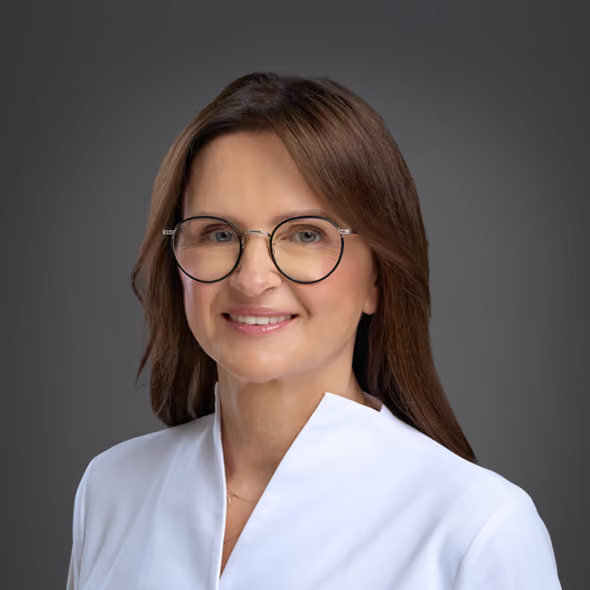
Doctors performing the procedure

See our video

No items found.

Feedback from our patients

I had laser treatment to close capillaries with Dr. Aleksandra Rymsza and I am really impressed! I was welcomed very warmly, the treatment itself was painless, and the doctor was very friendly and explained everything to me. It was definitely better than I expected and there was no need to stress :) I definitely recommend this clinic 😊

Ms. Nela Bronowska

-

Wizytówka Google

FAQ

Answers to frequently asked questions about a variety of treatments and procedures.

How many laser vascular closure treatments are usually needed?

The number of treatments depends on the type, diameter, depth and number of vessels, their location and the individual skin reaction. Small lesions may close after one session, while larger or deeper vessels often require several treatments. Subsequent sessions are planned after the skin has healed, usually at intervals of several weeks.

Is laser vascular closure painful?

The procedure usually does not require anesthesia. During the pulse, you may feel a brief burning, stinging or a sensation similar to the snap of a stretched rubber band. Contact cooling reduces discomfort and protects the surface of the skin.

What does recovery look like and when can I return to makeup and activity?

Most patients return to everyday activities very quickly. Immediately after the procedure, the skin may be red and slightly swollen, and the symptoms usually subside within a few days. Makeup should not be applied for the first 24 hours. Intense exertion, saunas, hot baths and other factors that overheat the skin should be limited until the post-treatment reaction calms down

Is liposuction painful and what anesthesia is used?

Liposuction is performed under intravenous or general anesthesia, so the patient should not feel pain during the procedure. After the procedure, temporary pain, swelling and bruising may occur. If necessary, pain relief is used as recommended by the doctor.

When are the results of liposuction visible?

The first change in body contour is usually visible relatively quickly, but the result should not be assessed too early because of swelling. A more reliable assessment is possible after a few weeks, when the tissues gradually heal and the swelling decreases.

Are the results of liposuction permanent?

The results of liposuction can be long-lasting, especially if a stable body weight is maintained. The procedure removes some of the fat cells from the selected area, but it does not protect against fat tissue increasing again with significant weight gain. That is why healthy habits, physical activity and a stable weight are important after the procedure.

What complications can occur after liposuction?

Swelling, bruising and tenderness are typical after the procedure. Hematomas, temporary sensory disturbances, contour irregularities or asymmetry are also possible. Rarer but significant complications include seroma, infection and thromboembolic complications. Worrying or rapidly worsening symptoms should be discussed with a doctor.

Does liposuction need to be repeated?

Liposuction is planned as a procedure that contours a specific area and does not require routine repetition. A possible further procedure may be considered only if, after full healing, there are indications for it and the doctor considers it safe.

When can I return to work, driving and sports after liposuction?

Many people return to everyday activities after about 1-2 weeks. A return to greater exertion and training usually takes place gradually, often after about 4-6 weeks, depending on the extent of the procedure and the course of healing. Driving should be resumed only when the patient moves freely, is not taking medications that impair the ability to drive and has received the approval of the attending doctor.

How long should compression garments be worn after liposuction?

Compression garments help limit swelling and support healing of the operated area. How long they should be worn depends on the extent of the procedure and the individual course of recovery, so they should be worn exactly as long as the surgeon recommends during post-operative check-ups.

On which parts of the body is liposuction performed?

Liposuction can cover various areas of the body, depending on the indications and qualification. At the Dr Szczyt Clinic, the procedure is performed, among others, on the abdomen, hips, thighs, buttocks, knees, calves, arms and armpits. One of the most frequently chosen areas is the abdomen, where the goal is primarily to contour the shape and accentuate the waist, not to reduce body weight.

How to make an appointment at Dr Szczyt Clinic?

You can schedule a visit by calling 22 654 90 60 or via the website under Consultation appointments.

How to make an appointment at Dr Szczyt Clinic?

You can schedule a visit by calling 22 654 90 60 or via the website under Consultation appointments.

How do you choose the right treatment at Dr Szczyt Clinic?

The best way to choose the right treatment at a plastic surgery and aesthetic medicine clinic is to start with a consultation with a specialist. During the visit, the doctor will conduct a detailed medical interview, familiarize themselves with the patient's expectations, and assess their health and the specific nature of the aesthetic problem. Based on this information, they will advise on which treatments will be appropriate to achieve the desired results. The consultation also allows you to discuss the available options, their potential effects, and any possible risks, which makes it easier to make an informed decision.

What are the risks associated with plastic surgery procedures?

Every plastic surgery procedure, like any medical intervention, involves certain risks. The most common complications include infections, bleeding, reactions to anesthesia, and scarring. Less common complications include blood clots, pulmonary embolism, and sensory disturbances in the operated area. Proper preparation of the patient, careful qualification for the procedure, and the experience and professionalism of the medical team significantly minimize these risks. It is also important to follow the doctor's recommendations in the postoperative period, which allows for a faster and safer recovery.

Are aesthetic medicine procedures painful?

Aesthetic medicine treatments are usually minimally invasive and involve minimal discomfort. Most of them, such as injections or laser therapy, are performed using local anesthetics, which significantly reduces discomfort. Patients may experience slight pricking, burning, or tightness of the skin, but these symptoms usually disappear quickly after the procedure. If necessary, the doctor will always select appropriate pain relief methods to ensure maximum comfort for patients.