
"Bez kompleksów", season 2, episode 3. Patrycja's story

The protagonist of the third episode of the second season of the show "Bez kompleksów" is 34-year-old Patrycja, who works as a mail carrier. Her story involves two areas of treatment: plastic surgery of the breasts and face, and dentistry. Due to the size, weight, and asymmetry of her breasts, a correction was planned, while her dental issues required multi-stage dental treatment. Proper qualification, preparation for the procedures, and the time needed for recovery were important elements of the entire process.
The first stage of Patrycja's story - dental treatment
Patrycja's transformation began with a consultation and a dental check-up. The first visible stage of restoring her smile was the placement of temporary crowns.
However, this did not mean the end of the treatment – it was necessary to wait about four months for the final restoration to be completed so that the tissues had time to heal.
The second stage - breast correction using the patient's own tissues
The next stage was a consultation with a plastic surgery specialist - Dr. Krzysztof BiegańskiPatrycja's breasts were large, heavy, had lost their firmness, and differed in shape. After assessing the patient's anatomy, the doctor planned a correction to reduce the disproportion and reshape the bust.
Patrycja underwent a breast lift with an autoprothesis – a technique that uses the patient's own tissues to reshape the breasts. In this case, no breast implants were used. Dr. Szczyt Plastic Surgery also describes this method as breast modeling without implants.
A breast lift, or mastopexy, involves reshaping the breast tissue. Depending on individual needs, the surgeon may remove excess skin, properly shape the gland, and reposition the nipple-areola complex. The scope and technique of the surgery are tailored to the anatomy and the problem the patient presents with.
In the case of large and heavy breasts, the correction may also include breast reduction. During the reduction, the surgeon removes a portion of the fatty and glandular tissue and skin, and then shapes and lifts the breasts. The choice of technique depends, among other things, on the degree of breast hypertrophy, tissue condition, and individual body structure.
Examples of individual cases are presented in the breast reduction gallery. The results presented relate to specific patients and do not guarantee similar outcomes for others.
Endoscopic brow lift as an additional procedure
During the same surgery, an additional facial procedure was also performed – endoscopic brow lift, which was performed by Dr. Jakub Kret.
A brow lift is a surgical procedure that repositions the tissues of the upper face and the brow line. By using small incisions within the scalp, the surgeon gains access to deeper structures and can lift the tissues accordingly.
The possibility of performing multiple procedures during a single surgery always requires an individual assessment. Factors such as the patient's health, the planned scope of the procedures, the expected duration of the surgery and anesthesia, and the associated risks are all taken into account.
What does the qualification process for breast surgery look like?
Breast surgery is preceded by a consultation with a plastic surgeon. The doctor assesses the structure and condition of the tissues, discusses the patient's needs, and determines the possible scope of the correction. The qualification process also includes an assessment of general health and the performance of appropriate tests.
As part of the qualification, the doctor may order laboratory tests, a breast ultrasound, and an ECG, among others. The final scope of tests is determined individually based on the type of surgery, the method of anesthesia, age, health status, and other medical factors.
During the consultation, it is also important to discuss any medications and supplements being taken that could affect the surgery and the healing process. Patients should not stop taking or change the dosage of their medications on their own – the procedure to follow before surgery should be determined in consultation with the doctor.
Contraindications for a breast lift may include:
- active infections,
- clotting disorders,
- uncontrolled hypertension or diabetes,
- certain heart and respiratory conditions,
- pregnancy and breastfeeding.
Recovery after breast surgery takes time
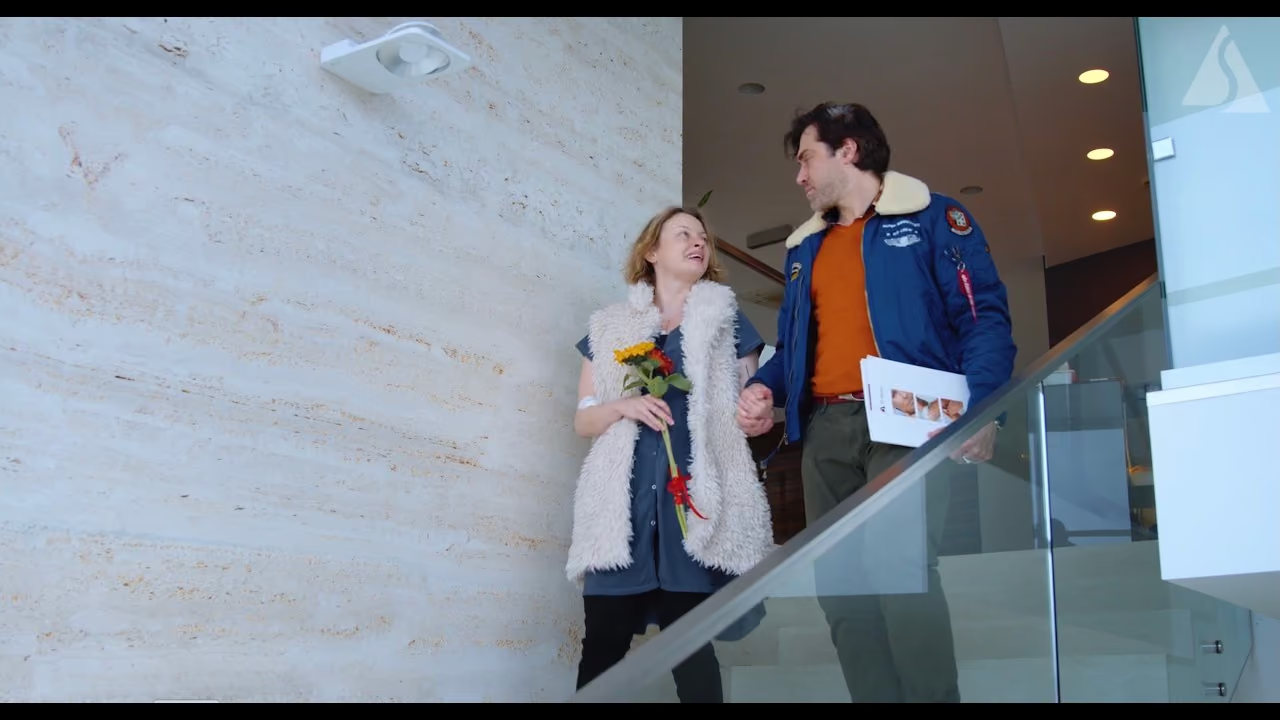
Patrycja returned for the next stage of her transformation 16 weeks after the surgery. Only then did she meet with a hairdresser, a makeup artist, and a stylist.
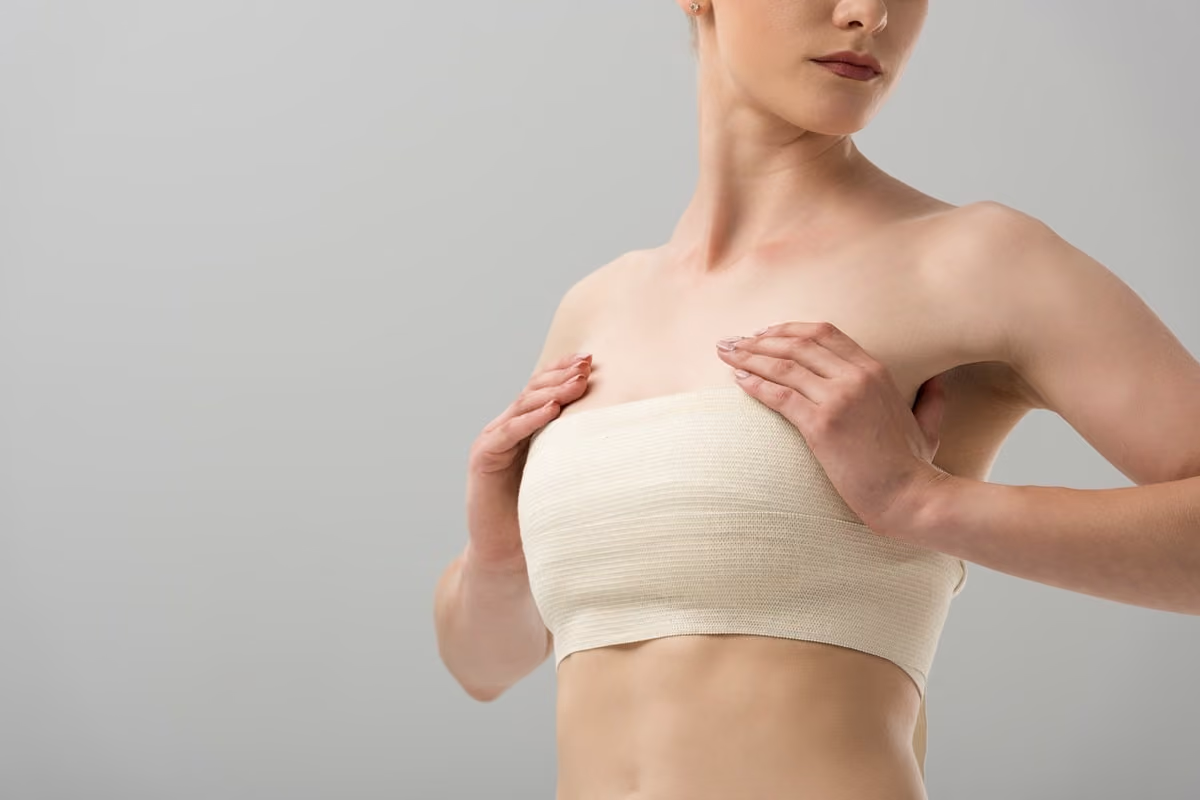
Recovery after breast surgery is an individual process. In the first few days, you may experience swelling, bruising, tenderness, or a feeling of tightness. After a breast lift, it is usually recommended to wear a special post-operative bra, as directed by your doctor.
During the first few weeks, you should limit physical exertion and heavy lifting. This is particularly important for those with physically demanding jobs, so returning to work duties should be discussed with your attending physician.
Returning to light activity is often possible after about two weeks, while more strenuous activity may require a break of 6–8 weeks or longer. These are general guidelines – the actual time it takes to return to activity depends on the scope of the surgery and the healing process, and must be agreed upon with your doctor. For combined surgeries, the recommendations take into account the entire scope of the procedures performed. The final appearance of the breasts can only be assessed after several months.
Risks and limitations of breast surgery
An essential part of preparing for surgery and making an informed decision is discussing potential complications and limitations. Breast surgery, like any other surgical procedure, is not without risk.
In the case of breast reduction or lift procedures, possible complications include bleeding, infection, healing and scarring issues, asymmetry, and temporary or permanent loss of sensation in the nipples. The procedure may also lead to a reduction or loss of the ability to breastfeed – this risk depends on factors such as the scope of the surgery and the technique used.
This aspect was also addressed in Patrycja's story. Before the surgery, she was informed that her ability to breastfeed might be limited after the procedure and that she might experience a loss of sensation in the nipple area.
Breast lift and contouring also have their limitations. Surgery changes the shape and position of the tissues, but it does not stop the natural aging process. Weight fluctuations or a potential future pregnancy may affect the appearance of the breasts over time. It is impossible to guarantee that the breasts will look exactly as they did before pregnancy, breastfeeding, or previous weight changes.
The finale of Patrycja's story
After completing the subsequent stages of treatment and the recovery period, Patrycja met with experts responsible for her image. A change in hairstyle, makeup, and styling was the final element of her participation in the program.
Patrycja's story involved both dental treatment and extensive surgical correction. For her breasts, contouring was performed using her own tissues without implants, and an endoscopic brow lift was carried out during the same surgery.
"The premise of plastic surgery is that it is meant to heal. And because it is called 'plastic,' we add a visual effect to that treatment," said Dr. Marek Szczyt on the program.
Patrycja's case presented in the program is the story of one specific patient. The scope of surgery, the possibility of combining several procedures, the recovery process, and the results achieved may vary between patients and require an individual medical assessment.
This article is for informational purposes only. Qualification for surgery, risk assessment, and pre- and post-operative recommendations require an individual consultation with a doctor.



Related articles




Important information
Payment at the clinic is accepted exclusively via Visa and Mastercard.