
Facial Volumizing vs. "Soft Lift" – How to Rejuvenate Your Features Without Changing Them
In aesthetic medicine, people increasingly talk not about "changing the face," but about restoring its proportions and freshness. This is an important distinction. Many people considering a procedure don't want to look different. Rather, they want their face to look less tired, less "sagging," and more harmonious.
It is in this context that two concepts come up: facial volumizing and the "soft lift," also known as a soft facelift. Both procedures use hyaluronic acid, but their goal is not to exaggerate the features. A well-planned procedure should help rejuvenate the face without losing its natural character.
Why does the face change with age?
Over time, natural aging processes occur in the skin and tissues of the face. One of them is the gradual decrease in hyaluronic acid, which is responsible for, among other things, hydration, elasticity, and skin firmness. As a result, wrinkles and folds appear, and the face may lose volume around the cheeks, temples, jawline, or chin.
It is precisely this loss of volume and tissue support that causes:
- the oval of the face to become less defined,
- the cheeks to look "hollow,"
- the corners of the mouth to droop,
- nasolabial folds and marionette lines to become more visible,
- the face to start looking tired or sadder, even when it isn't.
In such situations, the goal of the procedure doesn't have to be "filling everything in," but rather restoring the points of the face that have lost their natural support.
What is facial volumizing?
Facial volumizing is a procedure using hyaluronic acid, aimed at restoring lost volume in selected areas of the face. This most often concerns the cheeks, temples, jawline, and chin. In practice, it's about improving proportions and rebuilding the areas that become less full with age.
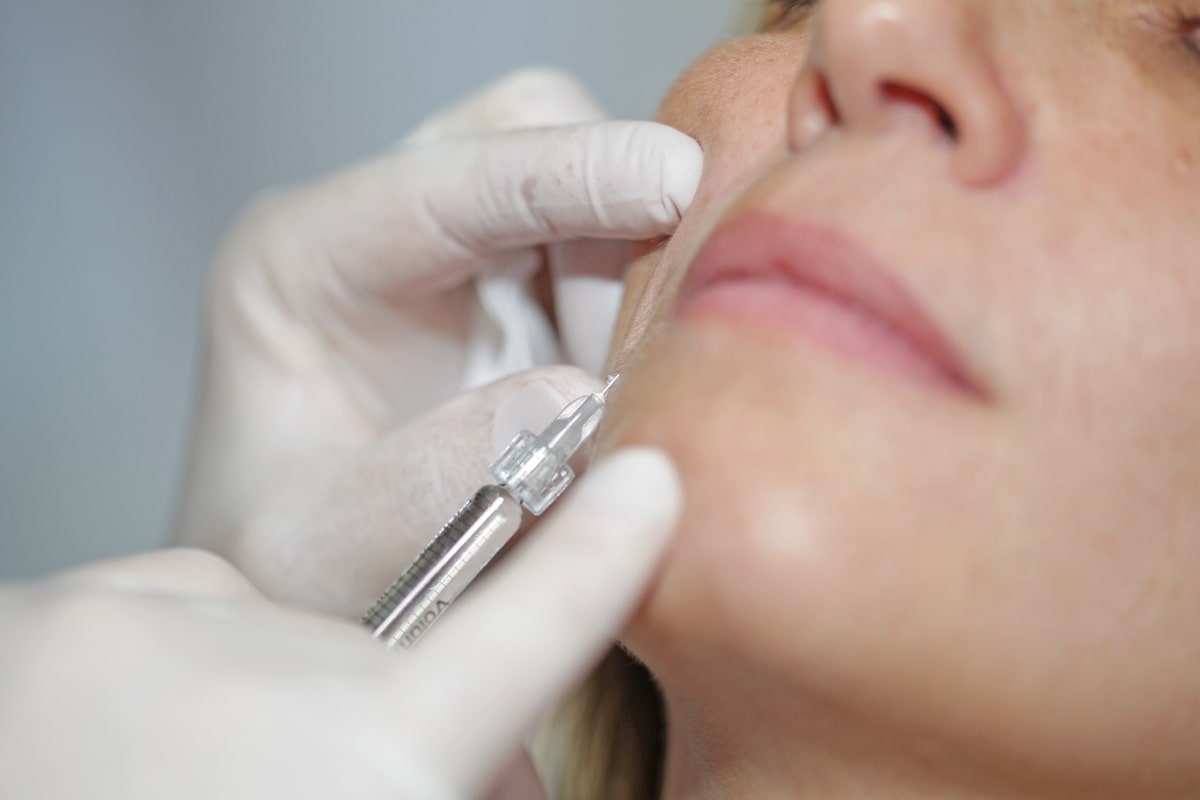
The hyaluronic acid preparation takes the form of an elastic gel, which the doctor injects into the appropriate areas. Thanks to its ability to bind water, hyaluronic acid can:
- restore volume,
- improve facial contour,
- support the facial oval,
- indirectly reduce the visibility of certain folds and creases.
Volumizing, therefore, is not just about "adding volume," but about working on the architecture of the face.
What is a soft lift?
The soft facelift also uses hyaluronic acid, but its main goal is gentle lifting and tightening of the tissues, so that the face looks younger while remaining natural. The preparation is injected into the soft tissues, most often using a special blunt-tipped cannula.
Thanks to its hygroscopic properties, hyaluronic acid binds water, increases volume, and improves skin elasticity. As a result, a subtle lift of selected areas of the face can be achieved, along with an improved oval and contouring of the cheeks, chin, or jawline.
A soft lift is often chosen by people who want to:
- restore the proportions and symmetry of the face,
- soften nasolabial folds,
- improve skin tone,
- reduce the visibility of so-called "hamster cheeks,"
- achieve a rejuvenating effect without surgical intervention.
Volumizing and soft lift – what's the difference?
In practice, these two concepts overlap to some extent, because both procedures rely on hyaluronic acid and both can influence facial proportions. The difference lies primarily in the starting point and the dominant goal of the procedure.
Volumizing focuses mainly on rebuilding volume where it has been lost. A soft lift focuses more on gently lifting the tissues and improving the facial contour. In many cases, the doctor combines both approaches, because the face doesn't age through "a single mechanism." For one person, the main problem will be hollow cheeks; for another, a less defined jawline and sagging tissue.
That's why what matters most isn't the name of the procedure itself, but which areas need correction and what effect is meant to be achieved.
How to rejuvenate your features without changing them?
This is one of the questions patients ask most often – and rightly so. A well-performed hyaluronic acid procedure should not result in a loss of natural facial expression or a "new face." The goal is rather:
- restoring proportions,
- subtle support for the tissues,
- improving skin hydration and freshness,
- refreshing the appearance without a "mask" effect.
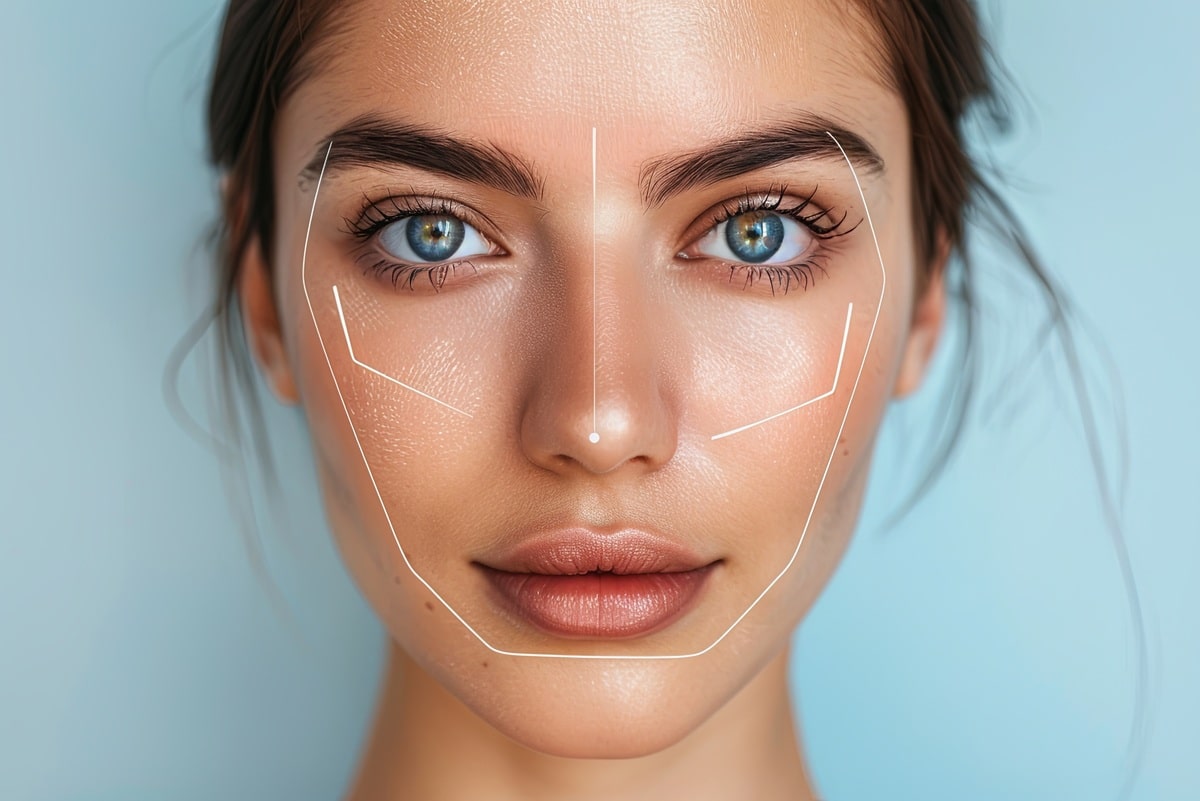
The precision of planning is of great importance here. Rejuvenation without changing the features means that the doctor doesn't work according to a fixed scheme, but analyzes the face as a whole: its proportions, symmetry, areas of volume loss, and the direction in which the tissues sag. This makes it possible to achieve an effect in which the face looks more rested and harmonious, yet remains "the same face."
How do the procedures proceed?
Both volumizing procedures and the soft lift begin with a medical consultation. This is a very important stage, as it allows the condition of the skin and the proportions of the face to be assessed, and the appropriate preparation and injection technique to be selected.
The procedure itself is performed under local anesthesia, which reduces discomfort. The preparation is administered with a needle or microcannula, depending on the area and treatment plan. The procedure usually takes 30 to 60 minutes, after which the patient can generally return to daily activities.
The effect is visible immediately, but the final result stabilizes over the course of a couple of weeks, and in the case of a soft lift, the full effect may develop gradually over about a month.
What results can be expected?
Hyaluronic acid procedures can achieve:
- smoothing of wrinkles and folds,
- an improved facial oval,
- more harmonious proportions,
- lifted cheeks and a more supported jawline,
- a fresher, more rested appearance,
- improved skin tone and hydration.
However, a realistic approach is important: this is not a surgical procedure and does not replace a surgical facelift in cases of very advanced tissue sagging. It can, however, be a good solution for people who want subtle correction and a natural rejuvenating effect.
How long do the results last?
With classic hyaluronic acid procedures, the effects last on average 6 to 12 months, depending on the type of preparation, the injection site, and the patient's individual characteristics. With a soft lift, the result can last on average 12 to 24 months.
The durability of the effect is influenced by many factors, including metabolism, lifestyle, skin condition, and the treatment area.
What happens after a hyaluronic acid procedure?
After a hyaluronic acid injection, there is usually no need for a lengthy recovery period. Slight redness, swelling, or tenderness may appear, which usually subside quickly. It's advisable to avoid intense physical exertion for the first few days, and to avoid saunas, sunbeds, hot baths, and intensive sun exposure for around two weeks.
It is also recommended to stay properly hydrated after the procedure and to attend a follow-up medical check-up at the scheduled time.
When is it worth considering volumizing or a soft lift?
Most often when the patient notices that the face:
- looks more tired than it used to,
- is losing its contour,
- has a less defined oval,
- seems to be "sagging,"
- has more pronounced folds related to loss of tissue support.
These are solutions for people who don't expect a radical change, but want to improve their appearance in a moderate, thoughtful way tailored to their facial anatomy.
Facial volumizing and the soft lift are procedures that use hyaluronic acid to work on the proportions, volume, and contour of the face. Their goal should not be to create new features, but to subtly restore the traits that have weakened or changed over time.
If the procedure is well planned, it can rejuvenate the face without an overdone effect. What matters here is not just the preparation and technique, but above all a calm, thorough consultation and an individual assessment of what is actually worth improving – and to what extent.
FAQ
Are facial volumizing and the soft lift the same thing?
Not quite. Both procedures use hyaluronic acid, but volumizing focuses mainly on restoring lost volume, while the soft lift focuses more on gently lifting the tissues and improving the facial oval. In practice, these approaches are often combined.
Will my face look artificial after the procedure?
That is not the goal of a properly planned procedure. A well-performed treatment should produce a natural rejuvenating effect, without changing the character of the face and without a "mask" effect.
When are the results of the procedures visible?
The first results are visible immediately after the procedure. The final effect stabilizes over the course of a couple of weeks, and in the case of a soft lift, the full result may develop gradually over about a month.
Does the procedure require recovery time?
It usually doesn't require a long break from daily activities. Slight redness or swelling may appear, which usually subsides quickly. After classic hyaluronic acid procedures, recovery usually takes 1–2 days, and after a soft lift it is often not necessary at all.
How long does the effect last?
It depends on the type of preparation, the injection site, and the individual characteristics of the body. Hyaluronic acid procedures usually last 6 to 12 months, and the effects of a soft lift last on average 12 to 24 months.

.jpeg)


Related articles




Important information
Payment at the clinic is accepted exclusively via Visa and Mastercard.