
Failed facelift - evaluating the result and next steps

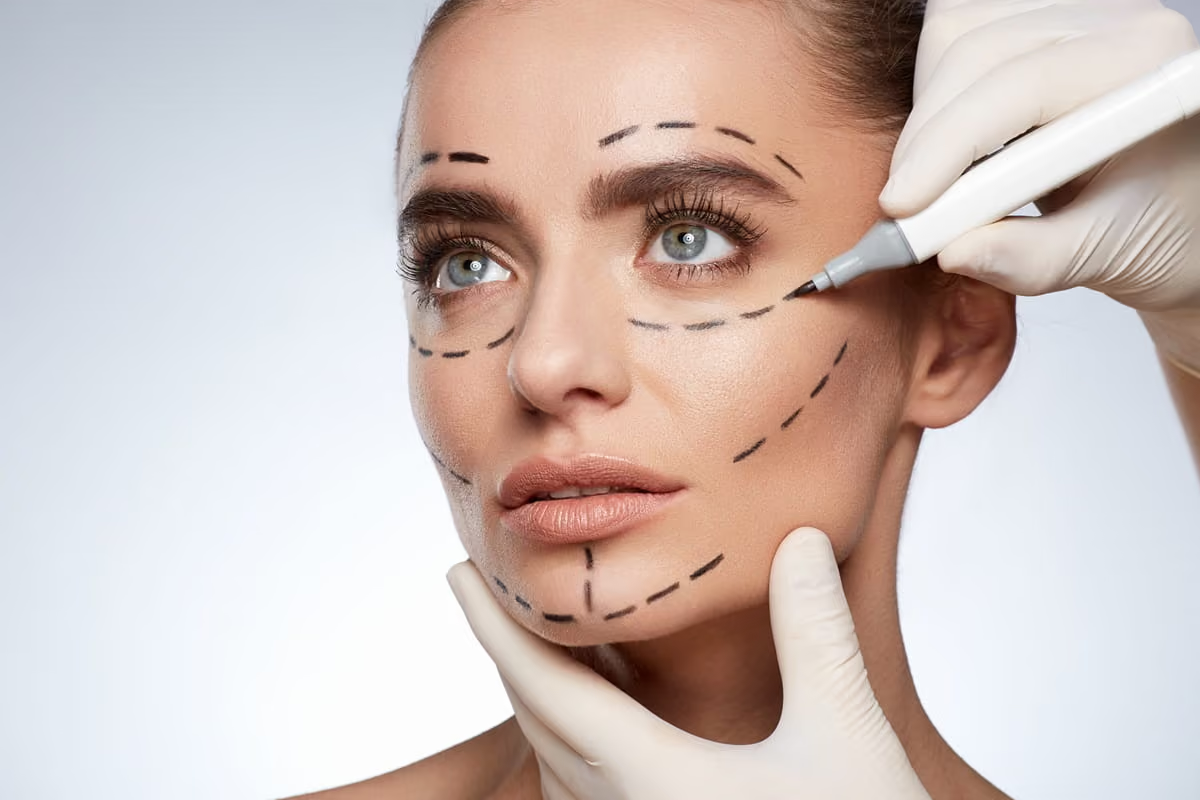
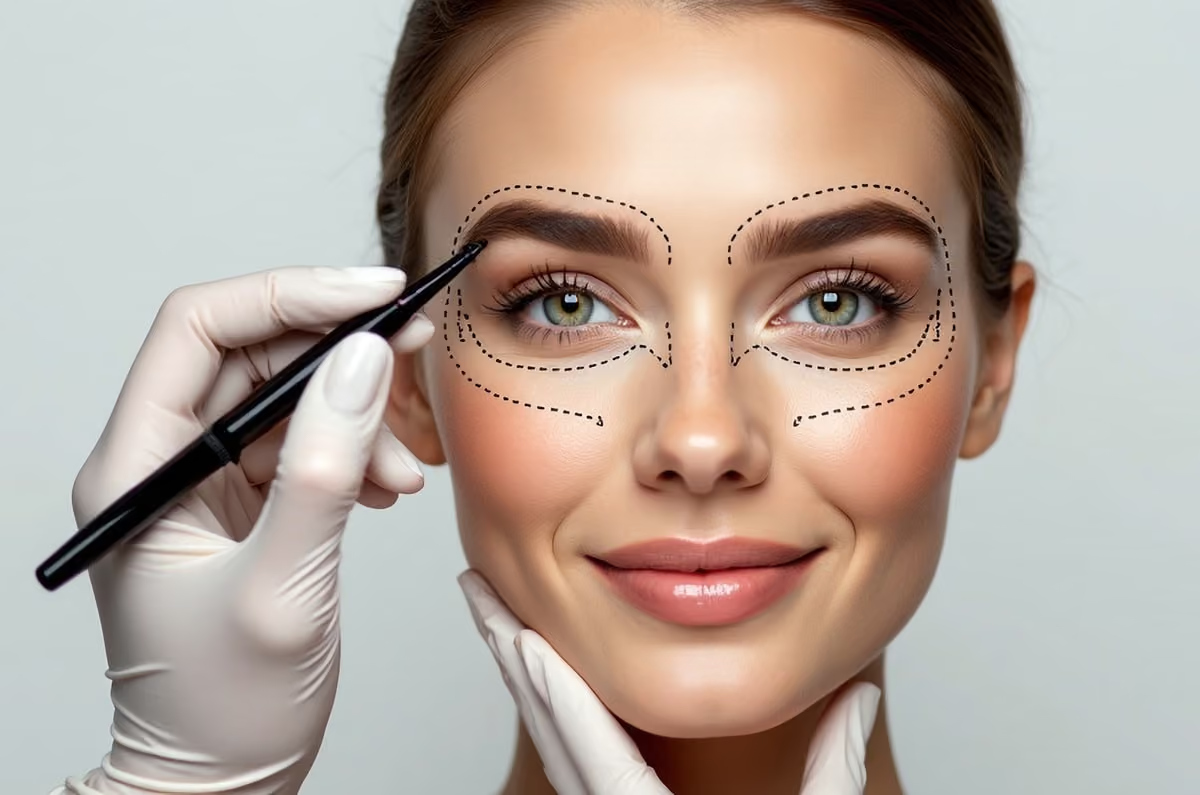
A facelift is a surgical procedure used to correct sagging tissues and changes in facial contours. The decision to undergo one requires a consultation and individual assessment. The potential outcome is influenced by factors such as anatomy, health status, the chosen technique, and the healing process. Before surgery, it is essential to discuss the expected benefits, limitations, risks of complications, and possible alternatives. A specific aesthetic result cannot be guaranteed.
It is easy to find photos or stories online described as a "botched facelift." This term can cover a variety of situations, ranging from disappointment with one's appearance to complications requiring medical attention. The appearance of the operated areas changes during the healing process, so evaluating the aesthetic result requires taking into account the time elapsed since the surgery. However, concerning symptoms should be evaluated regardless of the stage of recovery.
How can you prepare for a facelift to minimize the risk of dissatisfaction? What should you look for when choosing a doctor and a clinic? And what should you do if a facelift has already been performed, but the result does not meet your expectations?
Unsatisfactory facelift results and medical complications
The term "botched facelift" is not a precise medical term. A patient may use it both when the result does not meet their aesthetic expectations and when a health issue arises after the surgery.
The first step is for a doctor to assess the symptoms and the stage of healing. Aesthetic concerns and complications can occur simultaneously.
Unsatisfactory aesthetic result
A patient may consider the result of a facelift unsatisfactory if the appearance of their face differs from what they expected. Reasons for concern may include, among others:
- visible asymmetry,
- an insufficient rejuvenation effect,
- a sensation of excessive tissue tension,
- an unnatural change in facial features,
- unsatisfactory healing or visibility of scars,
- an effect that is not in harmony with other parts of the face,
- the persistence of the problem that was intended to be corrected.
Neither dissatisfaction with one's appearance nor the occurrence of a complication automatically constitutes medical malpractice. Likewise, labeling a problem as a "complication" does not rule out irregularities. Assessment requires an analysis of the specific case, including the qualification process, the surgery itself, the information provided, and postoperative care. The outcome is also influenced by anatomy and the individual healing process.
Swelling, bruising, and a feeling of tightness can occur during the postoperative period and alter the appearance of the face. Their severity and progression should be evaluated during follow-up appointments. New, sudden, or worsening symptoms require prompt contact with a doctor rather than waiting for the healing process to conclude.
Complications after a facelift
A surgical facelift carries the risk of complications. These include, among others, hematomas, infections, healing disorders, unfavorable scarring, and nerve damage affecting sensation or facial muscle movement. Surgery and anesthesia also carry systemic risks. The scope and probability of complications are discussed by the doctor on an individual basis before the procedure.
Severe or increasing pain, rapidly increasing swelling, fever, purulent discharge from the wound, new weakness in facial muscle movement, or other sudden or unexpected symptoms require urgent medical evaluation. You should contact the surgical team immediately or seek help at another facility if contact with them is not possible.
In the event of a life-threatening situation or a serious health emergency, such as severe shortness of breath, sudden intense chest pain, loss of consciousness, or massive bleeding, please call 112. Do not wait for a response from the clinic.
This table is for informational purposes only and is not intended for self-diagnosis. It does not represent mutually exclusive categories: asymmetry, scarring, or sensory disturbances can be both a matter of aesthetic assessment and a symptom of a complication. Further action should be determined by a medical evaluation, not by comparing your results with photos of other patients.
Why might the results of a facelift not meet expectations?
The outcome of surgery depends on many factors. Choosing a specific technique alone does not guarantee a particular facial appearance. A facelift should always be planned on an individual basis.
Inappropriate patient selection
Not every aesthetic concern requires a classic facelift. For one person, the main issue may be the loss of jawline definition and sagging of the lower face, while for another, it may primarily involve the neck, temple, or brow area.
There are also individuals for whom the extent of the changes is still relatively minor, and a full facelift may not be the optimal solution.
Therefore, a consultation should not be limited to answering the question: "Can a facelift be performed?" It is more important to determine what problem we want to solve and which method will be best suited for that purpose.
Mismatch between technique and the patient's anatomy and needs
The term "facelift" encompasses various techniques and surgical scopes. Depending on the indications, one might consider, among others, a classic facelift,a neck lift, temporal lift, or mini faceliftas well as the Deep Plane Face Lifttechnique. The name of the method does not in itself determine what result will be possible for a specific patient.
Techniques differ in the scope of tissue dissection and repositioning. Results achieved in one person cannot be automatically applied to another patient.
Qualifications and experience in the proposed technique
When it comes to facial surgery, it is not just the formal ability to perform the procedure that counts. The surgeon's experience with a specific method is also significant.
In any facelift technique, knowledge of facial anatomy and surgical experience are essential. The Deep Plane Face Lift technique involves releasing and repositioning deeper tissues; however, this does not mean that other techniques are limited to skin tightening alone.
Before making a decision, it is worth asking not only whether the doctor performs facelifts, but also which techniques they use most often and why a specific method is being proposed for your particular case.
Failing to discuss the realistic possibilities of the procedure
A photo found on the internet should not be taken as a promise of results.
Every face has a different structure, proportions, skin quality, and degree of tissue sagging. A good surgical plan should take these differences into account.
If a patient's expectations are unachievable or would require excessive intervention, this should be clearly discussed before the procedure. Sometimes the most important part of a consultation is precisely stating what the surgery will not change.
What does a good facelift assessment look like?
A good assessment should not start with choosing a technique. First, it is necessary to understand the patient's needs, evaluate their anatomy, and determine what changes can realistically be achieved.
What should the first consultation look like?
During the consultation, the doctor should primarily find out what bothers the patient the most and what results they are expecting.
Next, they evaluate factors such as the condition and position of facial tissues, skin quality, and the proportions of individual areas. It is also essential to assess the patient's general health and the risks associated with surgery and anesthesia.
Only on this basis can a specific method be discussed.
The patient should receive clear information about the proposed scope of surgery, expected benefits, limitations, potential complications, and alternatives, including the consequences of not undergoing the procedure. The discussion also covers preparation, recovery, and postoperative care. Only then can the patient provide informed consent or decline the surgery.
Is every patient interested in a facelift a candidate for surgery?
No. Simply being dissatisfied with one's facial appearance is not a sufficient reason for surgery. The doctor must evaluate both the aesthetic indications and the safety of the procedure.
It may also turn out that the problem the patient wants to solve is better addressed by a different type of facelift or an entirely different method.
A good consultation is not about convincing the patient to have surgery. Its purpose is to find a solution that is appropriate for their needs – even if that means deciding against a surgical procedure.
What should you ask before a facelift?
The list of questions can be long, but it is particularly important to address:
- the proposed surgical technique,
- the surgeon's experience in performing it,
- the expected scope of the results,
- the recovery process,
- the location and length of the incisions,
- potential complications,
- how postoperative care is organized,
- when the results can be realistically assessed.
You should also ask: - why is the doctor recommending this specific method?
The answer should address the patient's specific problem, rather than just the popularity of a given technique.
Is a full facelift always necessary?
No. The scope of the procedure depends on the type and degree of the changes.
If the problem is primarily localized to a specific area, options such as a neck lift, temporal lift, or mini facelift may be considered.
A mini facelift refers to a procedure with a more limited scope. The area to be corrected and the surgical approach require a thorough explanation during the consultation. Eligibility depends on facial structure, the degree of aging, and the potential benefits weighed against the risks.
For some patients, the doctor may consider non-surgical options. Injectable procedures have different indications, capabilities, and their own set of risks. They should not be viewed as a simple equivalent to a surgical facelift.
How do you choose a doctor and clinic for a facelift?
When choosing where to have surgery, it is easy to focus on the price, "before and after" photos, or the name of a specific method. However, safety and the quality of care depend on many more factors.
1. Check the doctor's qualifications
A facelift is a surgical procedure. Before making a decision, it is worth verifying the surgeon's medical license and specialization, as well as asking about their experience in facial surgery and the proposed technique.
2. Ask about experience with the specific technique
"Facelift" does not refer to a single procedure.
If you are considering a specific type of procedure—especially a more advanced technique—it is worth finding out how often the doctor performs it and why they recommend it in your particular case.
3. Pay attention to how the consultation is conducted
A reliable consultation should not be limited to presenting the benefits of the procedure.
It should also include a discussion about limitations, potential complications, recovery, and alternatives.
A sign of a good approach is also the doctor's willingness to state that a particular method is not suitable for the patient.
4. Discuss the expected outcome
Terms like "younger," "natural," or "noticeable" can mean something completely different to different people.
Therefore, before the surgery, it is essential to determine as precisely as possible which changes are possible and which results should not be expected.
The surgical plan should clearly define which areas are to be corrected and what limitations arise from your anatomy. Phrases such as "natural result" require discussion in relation to the specific patient's expectations and do not constitute a guarantee of the outcome.
5. Ask about post-operative care
The surgery does not end the moment you leave the operating room.
It is worth knowing:
- what the follow-up appointments look like,
- who to contact in case of concerning symptoms,
- when you can return to daily activities,
- how wound care is managed,
- when stitches are removed, if necessary,
- when the final result can be assessed.
A clearly defined postoperative care plan helps the patient go through recovery with a greater sense of security.
How the scope of a facelift is determined
The scope of the surgery is tailored to the location and severity of the changes, as well as the patient's health status. The choice should not be based solely on the name of the procedure or the popularity of a specific technique.
The starting point is a consultation with a plastic surgery specialist.
Depending on the location and severity of the changes, options may include a classic facelift, neck lift, temporal lift, mini facelift, or Deep Plane Face Lift, among others.
Classic facelift
A classic facelift can involve the mid and lower face as well as the neck. The type of anesthesia and post-operative stay requirements are determined by the medical team based on the scope of the procedure and the patient's health.
The goal of the surgery is to correct tissue sagging and laxity within the scope established during the qualification process. The potential degree of change requires individual discussion.
Neck, temporal, and mini facelift
If the changes are concentrated in a specific part of the face, a full facelift is not always necessary.
A neck lift focuses on the neck and jawline. In the case of a temporal lift, the main areas of treatment are the temples, eyebrows, and outer corners of the eyes.
A mini facelift covers a smaller area than a full facelift and can be used for patients whose tissue sagging is less advanced.
Deep Plane Face Lift
Deep Plane Face Lift is one of the techniques for surgical facelifts. It involves working with deeper tissues associated with the superficial musculoaponeurotic system, known as SMAS. The exact scope of the surgery depends on the anatomy and the treatment plan. The name of the technique itself does not determine its superiority over other methods or the outcome of the surgery.
However, this does not mean that it is the right method for everyone. The scope of the surgery should be based on the patient's anatomy and specific concerns.
That is why it is worth replacing the question "which facelift is the best?" with the question: "Which facelift is right for me?"
A natural-looking facelift – why "more" isn't always "better"
A common concern before a facelift is the possibility of ending up with skin that looks overly tight or having one's features altered. However, natural results aren't about doing the bare minimum. It is primarily about maintaining the right proportions and harmony between different areas of the face.
An overly aggressive approach can lead to results that the patient finds unacceptable. On the other hand, performing too minor a correction on someone with more advanced tissue sagging may result in an outcome that feels insufficient. This is why individual planning is so important.
A facelift should not be performed using a one-size-fits-all approach. The face must be evaluated as a whole.
"Before and after" photos – helpful, but not a guarantee of results
"Before and after" photos show the outcome for a specific person at a specific point in time after surgery. When interpreting them, factors such as the time elapsed since the procedure, lighting, head position, and how the photos were taken all play a role.
The result achieved by someone else is not a prediction of exactly how your own face will look.
Patients differ in terms of:
Patients differ in terms of:
- anatomy,
- age,
- skin quality,
- degree of laxity,
- amount of fatty tissue,
- facial proportions,
- the healing process.
While photos can be helpful when discussing preferences and natural-looking results, they should not be used as a template to be replicated.
What should you do if you have already had a facelift, but the results don't meet your expectations?
Planning a follow-up surgery requires identifying the cause of the issue and the stage of healing. It is also necessary to distinguish between an assessment of the aesthetic outcome and the identification of a complication that may require urgent treatment.
First, assess the recovery stage
If the surgery was performed recently, swelling and postoperative tension may still affect the appearance of your face. Your doctor will evaluate the healing process during follow-up visits and determine when the aesthetic outcome can be assessed more reliably. This does not mean you have to wait until the end of the recovery period to consult a specialist.
It is not advisable to plan another procedure solely because your facial appearance in the early postoperative period does not meet your expectations.
Contact the doctor who performed the procedure
It is worth contacting the plastic surgeon who performed the procedure, as they are familiar with the technique used and the course of the surgery.
In the event of sudden or worsening symptoms, do not wait for a scheduled follow-up visit or for the healing process to conclude.
You can also consult another specialist
You can obtain an independent opinion from another plastic surgeon even while you are still healing if you have concerns about the course of your treatment. If you suspect an urgent complication, immediate medical attention takes priority.
Such a visit does not automatically mean you are a candidate for further surgery.
It is helpful to bring the operative report, discharge summary, post-op instructions, and follow-up results to your consultation. Patients have the right to access their medical records and may request copies of them.
First, you must assess:
- the condition of the tissues,
- the type and scope of the previous procedure,
- the healing process,
- scars,
- the patient's expectations,
- the realistic possibilities for further treatment.
Only then can the question of whether surgical correction is necessary and possible be answered.
What is a secondary facelift?
A secondary facelift is a surgery performed on a patient who has previously undergone a facelift.
The reason for considering a follow-up procedure may be the reappearance of signs of aging after several years, or the need to correct the results of a previous surgery.
Secondary facelifts require particularly meticulous planning. The surgeon is operating in an area that has already undergone a procedure. Factors such as the location of existing scars, tissue changes, and the technique previously used are all significant.
A follow-up surgery is neither necessary nor possible in every case of an unsatisfactory result. Qualification for a secondary facelift requires a consultation, physical examination, and analysis of available medical records, taking into account the risks and possible alternatives.
Can a failed facelift be corrected?
In some cases, it is possible to plan a corrective procedure, but the answer always depends on the specific situation. There is no single procedure defined as a "facelift repair." The cause of dissatisfaction can be completely different for each patient.
For one person, the problem may be insufficient lifting of a specific area; for another, it may be asymmetry, scarring, or the result of a previous technique.
Therefore, during the consultation, the surgeon must first determine:
exactly what requires correction, why the current result occurred, and whether another intervention can truly provide improvement.
In some cases, the doctor may consider secondary surgery. In other situations, further healing, treatment of complications, the use of a different method, or opting against further intervention may be appropriate. Urgent treatment of complications should not be equated with elective aesthetic correction.
How to reduce the risk of dissatisfaction with a facelift? Pre-surgery checklist
Before making a decision, it is worth ensuring that you can answer the following questions:
- Do I know who will be performing my surgery?
- Have I checked the doctor's qualifications?
- Does the doctor have experience with the proposed facelift technique?
- Do I understand why this specific method was chosen?
- Have we discussed a possible, realistic scope of improvement?
- Do I know what the procedure will not change?
- Am I aware of the potential risks and complications?
- Do I know how the recovery process will go?
- Do I know who to contact in case of problems after the surgery?
- Have I had the opportunity to ask all my questions?
- Is the decision to undergo surgery being made without time pressure?
- Am I aware that another patient's outcome is not a guarantee of my own results?
If any significant issues remain unclear, it is worth discussing them with your doctor before giving consent. Patients should have the opportunity to ask questions and make decisions without pressure.
Do not choose a facelift based solely on price
The cost of surgery is obviously an important part of the decision, but it should not be the only criterion.
Before making a decision, it is worth obtaining clear information about the total cost and whether it includes anesthesia, hospital stay, and follow-up visits. You should also ask about policies and billing in the event that additional treatment or corrections are needed. The scope of services covered by the price is not the same at all facilities.
Similarly, a higher price in itself is not a guarantee of a good result.
Instead of comparing only the amounts, it is worth comparing the entire treatment process.
A good decision starts before the surgery
Preparation for surgery includes an assessment of health status, qualification, and a discussion of expectations, potential benefits, and risks. The popularity of a technique is not a sufficient basis for choosing it.
Thorough qualification, choosing an experienced specialist, discussing expectations, and tailoring the scope of the surgery to the patient's anatomy allow for an informed approach to the decision.
If a facelift has already been performed and the result raises doubts, these should be discussed with a doctor. Assessing further healing or the possibility of a planned correction requires an examination. Suspected complications should not be put off until the final aesthetic result can be evaluated.
This article is for informational purposes only. It does not replace an individual consultation, examination, or discussion of risks before surgery. In the event of concerning symptoms after the procedure, you should seek appropriate medical help.
FAQ – frequently asked questions about a failed facelift
How can you tell if a facelift has failed?
Comparing your appearance to photos or expectations is not enough to evaluate whether the surgery was successful. In the early stages, results are affected by factors such as swelling and the healing process. Persistent concerns require a consultation, and any new, sudden, or worsening symptoms should be reported immediately, without waiting for the recovery period to end.
Does asymmetry after a facelift indicate a mistake?
Asymmetry can be caused by factors such as uneven swelling, pre-existing facial structure, or complications. An assessment must be based on a physical examination and the course of treatment. Sudden or increasing asymmetry, especially if accompanied by pain or weakness in facial muscle movement, requires urgent consultation. The appearance of asymmetry alone does not confirm medical malpractice.
When can the results of a facelift be assessed?
The assessment of aesthetic results depends on the type and extent of the surgery as well as the healing process. Your doctor will determine the appropriate time during follow-up visits. Health status and potential complications are also monitored earlier, regardless of whether the aesthetic result has fully stabilized.
Is it possible to correct a previous facelift?
In some cases, yes. Secondary facelift surgeries exist, but their feasibility depends on the condition of the tissues, the technique previously used, and the nature of the issue. Each case requires an individual consultation.
Does a secondary facelift always mean correcting a poorly performed surgery?
No. A subsequent surgery may also be caused by the natural sagging of tissues over time. Performing a secondary facelift does not in itself prove that the previous treatment was improper. Its necessity and feasibility require individual evaluation.
Which type of facelift should I choose?
There is no single technique suitable for every patient. Depending on your needs, options may include a classic facelift, mini facelift, neck lift, temporal lift, or Deep Plane Face Lift. The choice should be based on your anatomy, the degree of tissue sagging, and the desired extent of the change.
Is a Deep Plane Face Lift better than a classic facelift?
There is no one-size-fits-all technique. Different lifting methods may involve deeper tissues and the SMAS layer. The choice requires an assessment of your anatomy, clinical indications, expected benefits, and risks. The popularity or name of a method does not guarantee a better result.
How should I prepare for a facelift consultation?
It is helpful to think about exactly what you want to change, prepare a list of questions, and inform your doctor about your health status and any medications you are taking. During the consultation, it is good to ask not only about the expected results but also about the limitations of the procedure, potential complications, the recovery process, and post-operative care.
Medical information sources
NHS Facelift: procedure description, risks, and post-operative care
American Society of Plastic Surgeons: potential complications of a facelift
American Society of Plastic Surgeons: evaluating facelift results
Pacjent.gov.pl: emergency services and emergency number
Worth watching






Related articles




Important information
Payment at the clinic is accepted exclusively via Visa and Mastercard.