
Nose Correction After Trauma – How Plastic Surgery Helps Restore Aesthetics and Function

Nasal trauma can leave behind not only a change in appearance, but also real difficulties in everyday functioning. The nose is an area particularly vulnerable to injury, and even a seemingly minor trauma can cause permanent deformity, asymmetry, or problems with nasal airflow. In such situations, plastic surgery does not play a purely aesthetic role. It often also has functional significance, since it can help improve breathing and restore a more correct nasal structure.
That's exactly why nose correction after trauma is a topic worth discussing in broader terms than appearance alone.
What can change in the nose after an injury?
The nose is made up of bony, cartilaginous, and soft-tissue components. After an injury, various changes may occur, including:
- displacement of the bony structures,
- a deviated nose,
- collapse of the nasal bridge,
- asymmetry of the tip or nostrils,
- impaired patency of the nasal passages.
Not every injury looks serious right away. Sometimes the swelling and bruising subside, but after a while it becomes apparent that the nose has changed shape or that breathing difficulties have appeared on one or both sides. This is usually when patients start thinking about a consultation.
When does nose correction after an injury make sense?
The procedure is usually considered when the after-effects of the injury persist once healing is complete and affect:
- the appearance of the nose,
- facial symmetry,
- nasal patency,
- breathing comfort,
- everyday functioning.
For some patients, the aesthetic change matters most, since the nose looks different after the injury than it did before. For others, the bigger problem is functional symptoms, such as a feeling of nasal blockage, difficulty breathing freely, or chronic discomfort. In practice, these two aspects very often occur together.
Aesthetics and function – why are they hard to separate when it comes to the nose?
The nose is one of those areas where appearance and function are strongly linked. If an injury displaces or deviates its structures, the change may be visible from the outside while also affecting how air flows through the nose.
That's why post-traumatic nose correction often isn't just about "straightening" its shape. The goal may also be:
- improving airflow,
- restoring proper support to the cartilaginous structures,
- rebuilding a more stable nasal architecture,
- reducing the effects of post-traumatic deformity.
In such cases, plastic surgery has reconstructive and functional significance, not just an aesthetic one.
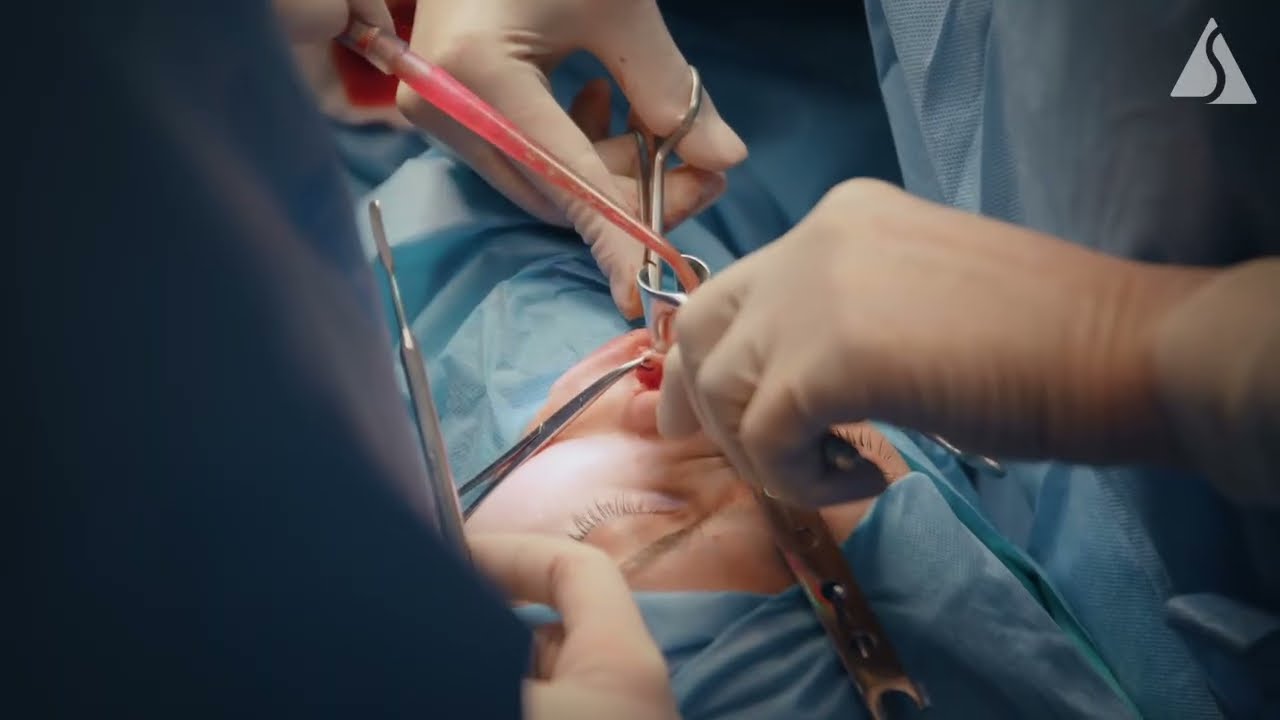
What does nose correction after an injury involve?
The scope of the procedure depends on the type of deformity and how much the injury affected the structure of the nose. Correction may include:
- correcting the alignment of the bony part,
- correcting the cartilage,
- evening out asymmetry,
- rebuilding collapsed sections,
- restoring a more correct shape and proportions to the nose.
In some cases, a more complex reconstruction is required than in a classic aesthetic nose surgery. This is because the surgeon is not working with originally normal structures, but with tissues altered by the injury, sometimes also after previous healing or improper union.
That's why post-traumatic nose surgery requires very thorough assessment and planning.
When is the best time to see a doctor after a nasal injury?
If a clear deformity, difficulty breathing, pain, significant swelling, or suspected fracture appears after an injury, prompt medical consultation is necessary. Some injuries require urgent assessment, and sometimes early repositioning of the structures as well.
However, it does happen that a patient comes in for a consultation much later – weeks, months, or even years afterward. In that case, we're no longer talking about a fresh injury, but about its lasting after-effects. Such a situation can also be an indication for surgical treatment, if the problem affects the appearance or function of the nose.
What benefits can the procedure bring?
The benefits depend on the starting point and the extent of the changes. The goal is most often:
- improving the shape of the nose after the injury,
- restoring greater symmetry,
- improving facial proportions,
- making it easier to breathe through the nose,
- increasing quality of life.
It's worth emphasizing that the procedure doesn't always mean a perfect "reconstruction" of the nose as it was before the injury. The goal is rather the best possible improvement given the existing anatomical conditions, taking safety and realistic surgical possibilities into account.
Why is the consultation so important?
In the case of a post-traumatic nose, the consultation is especially important because it helps answer two fundamental questions:
- which changes are the result of the injury,
- which of them have aesthetic significance, and which have functional significance.
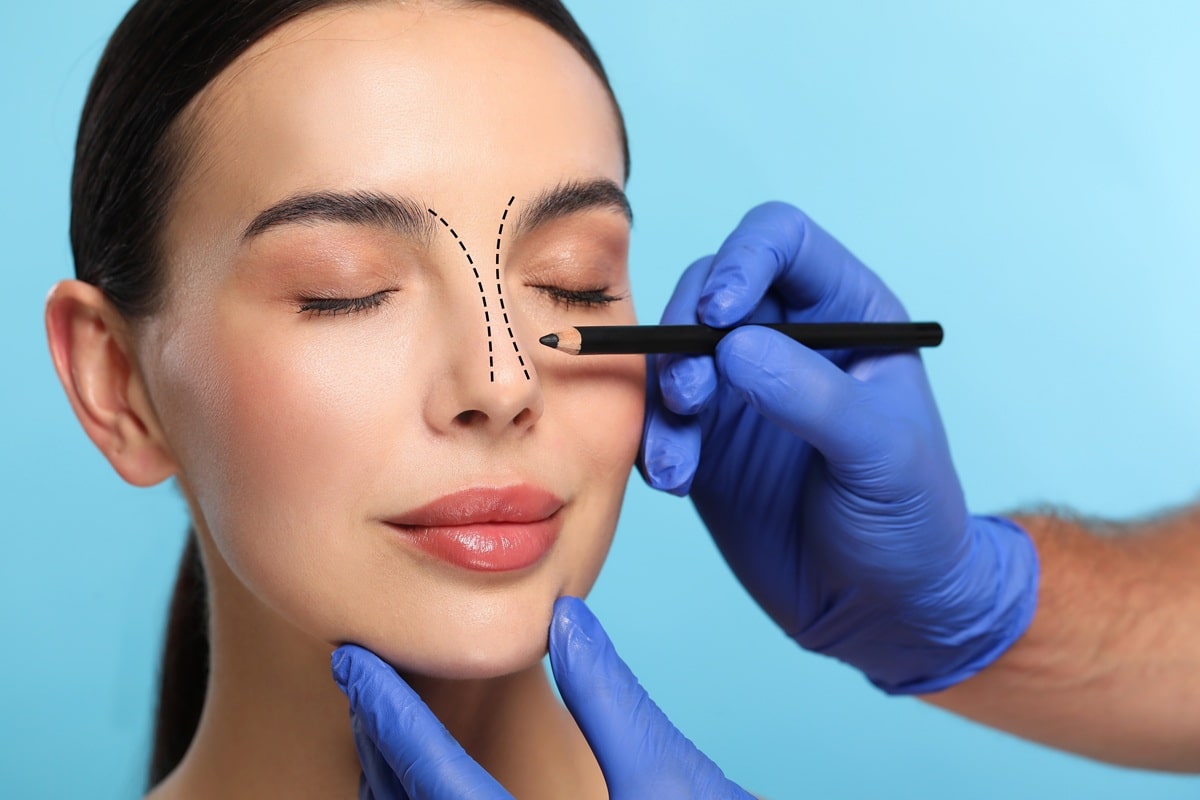
During the visit, the doctor assesses the shape of the nose, its symmetry, the quality of the tissues, and whether the deformity may affect airflow. This is also the moment when the patient can discuss their expectations. For this type of procedure, a realistic approach is very important – especially when dealing with a post-traumatic deformity rather than the nose's original structure.
Does every deformity after an injury require surgery?
No. If the injury did not cause a lasting change in appearance or functional problems, surgical treatment may not be necessary. The decision depends on the degree of deformity, the symptoms, and how the patient functions on a daily basis.
Surgery is considered when the problem persists after healing is complete and has a real impact on quality of life.
Recovery – what's worth remembering?
The healing period after nose correction requires patience. Immediately after the procedure, swelling, bruising, and temporary discomfort may appear. The final result is not visible right away, because the tissues need time to heal and stabilize.
This is especially important in nose surgery, where even minor swelling can affect the assessment of the shape. That's why the patient should be prepared for the fact that the final result is only assessed after some time has passed, not in the first days after the procedure.
When does an aesthetic procedure become a functional one?
In the case of the nose, this happens when an improvement in appearance goes hand in hand with improved breathing or the restoration of a more correct anatomical structure. If the injury disrupted the shape of the nose and also affected its patency, the procedure has a clear functional dimension.
This is a good example of how plastic surgery doesn't always serve merely to change appearance. Sometimes it helps restore what was lost as a result of an injury – both externally and internally.
Nose correction after trauma is a procedure in which aesthetics and function very often meet. An injury can change not only the appearance of the nose, but also the way a person breathes and their everyday comfort. In such situations, plastic surgery can play a reconstructive and functional role, helping to improve the symmetry, shape, and patency of the nose.
What matters most, however, is an individual treatment plan. Every post-traumatic nose is different, which is why the decision to undergo the procedure should come from a calm consultation, a reliable assessment of the changes, and realistic expectations.
FAQ
Is surgery always needed after a nasal injury?
No. It all depends on whether the injury left a lasting deformity or affected breathing. If the nose looks normal after healing and there are no functional symptoms, surgical treatment may not be necessary.
Does nose correction after an injury only improve appearance?
Not always. In many cases, the procedure also has functional significance, since it can improve nasal patency and breathing comfort. This is one of the features that distinguishes post-traumatic surgeries from purely aesthetic corrections.
When is the best time to schedule a consultation after a nasal injury?
As soon as possible, if a clear deformity, difficulty breathing, severe pain, or suspected fracture appears. If the injury happened a long time ago but its effects are still visible or noticeable, a consultation also makes sense.
Is it possible to fully restore the nose to how it looked before the injury?
Not always. The goal of the procedure is the best possible improvement in appearance and function given the existing anatomical conditions. The extent of possible correction depends on the type of damage, the condition of the tissues, and the healing process after the injury.
How long does healing take after nose correction?
The first stage of healing usually takes a few weeks, but the final result is assessed later, once the swelling has completely subsided and the tissues have stabilized. The nose needs time and patience after the procedure.





Related articles



Important information
Payment at the clinic is accepted exclusively via Visa and Mastercard.