Stage one – dental treatment
Izabela's transformation began with dental treatment provided by the Nawrocki Clinic team. The patient underwent conservative and root canal treatment, followed by the replacement of missing teeth and the application of veneers.
As with other participants in the show, the dental treatment was one part of the overall process and was carried out in stages.
Abdominoplasty after pregnancy and weight change
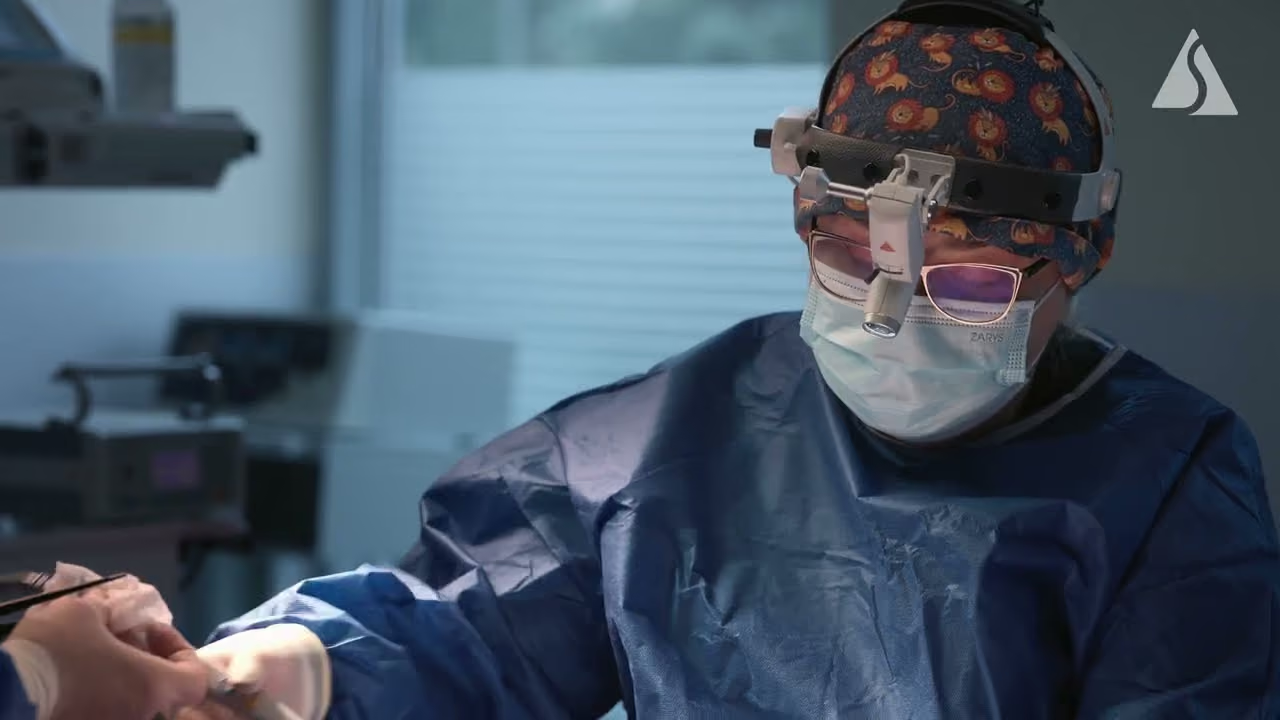
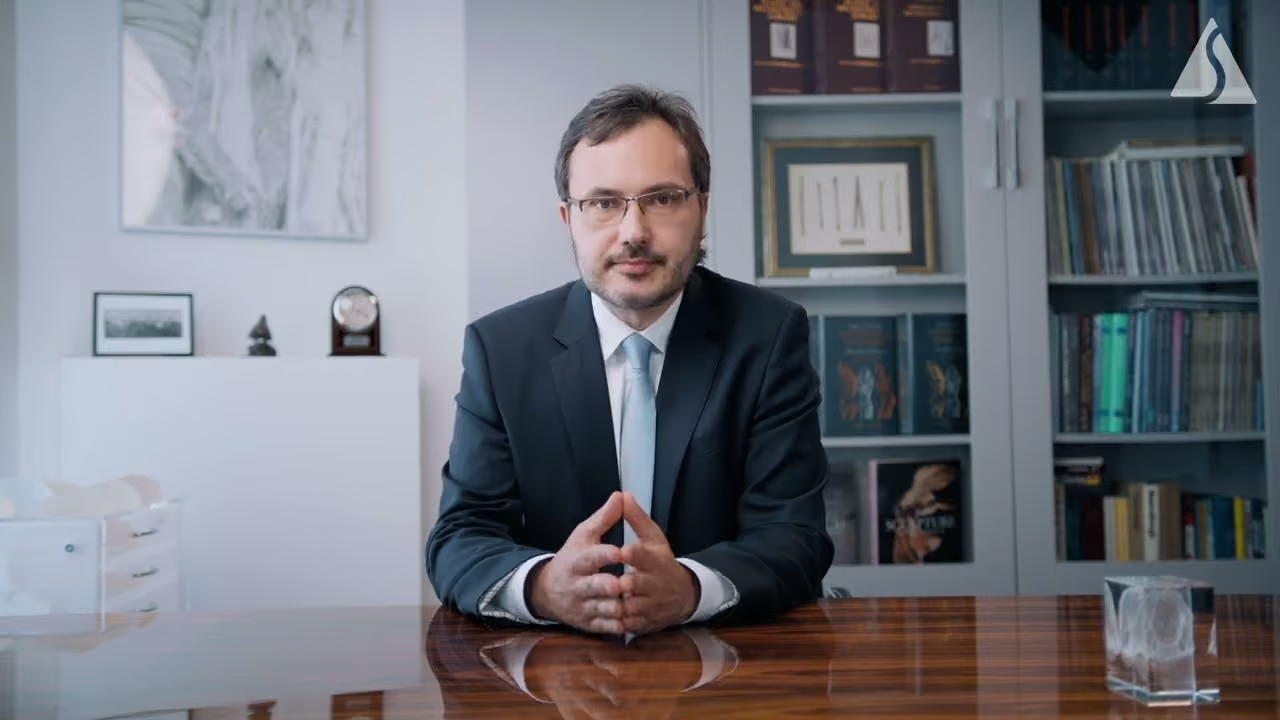
At the Dr Szczyt Plastic Surgery clinic, Izabela had a consultation with Dr. Konrad Kochan, a specialist in plastic surgery. The doctor planned a procedure primarily involving an abdominoplasty. Dr. Kochan specializes in, among other things, tummy tucks and body contouring.
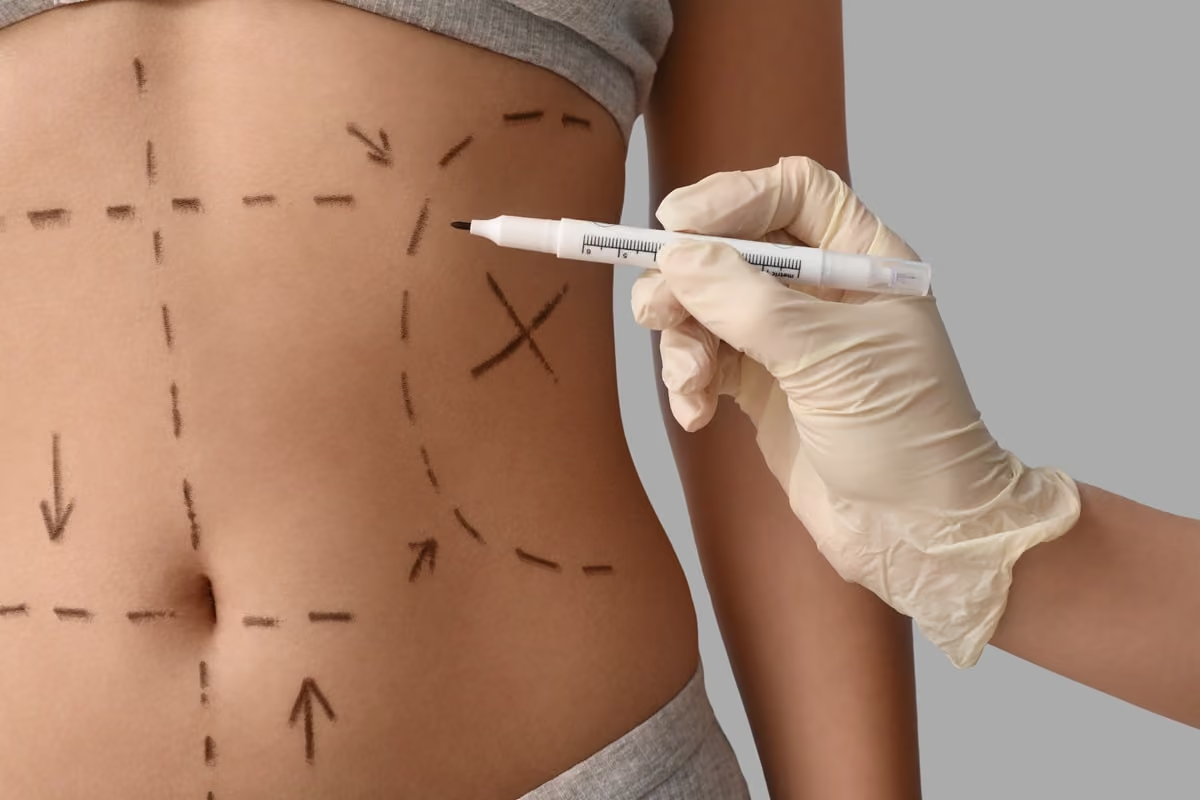
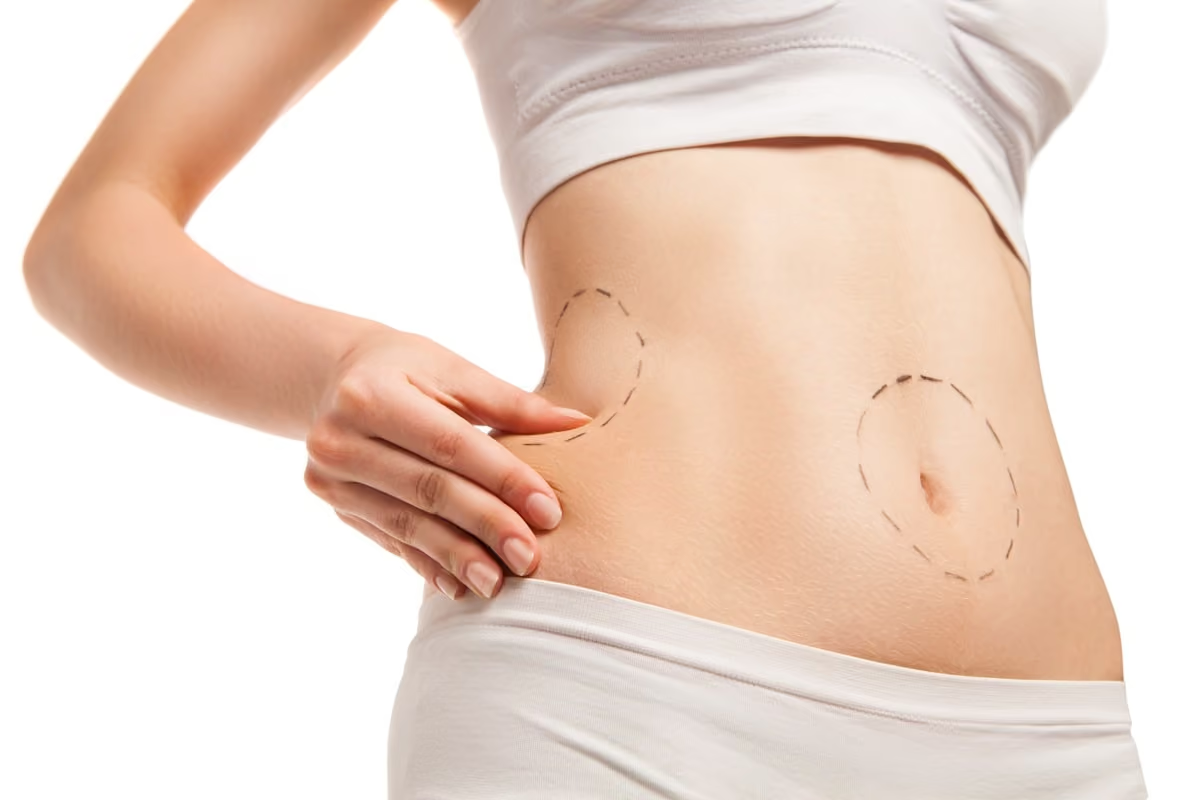
Abdominoplasty, or a tummy tuck, may be considered for patients with excess loose skin after pregnancy or significant weight changes. During the surgery, the scope of the procedure is tailored to the individual's anatomy. It may include the removal of excess skin and fat tissue, and if indicated, the correction of the abdominal muscles.
"Stretched abdominal walls require surgical intervention," said Dr. Marek Szczyt on the show.
It is worth remembering that the mere presence of fat tissue in the abdominal area is not synonymous with an indication for an abdominoplasty. The procedure primarily addresses excess skin and changes to the abdominal wall that cannot be corrected through weight loss alone (in other words, the surgery does not help with weight loss, but rather removes excess skin after weight loss). The scope of the surgery is determined by the surgeon during an individual assessment.
Eyelid surgery as an additional element of the operation
Izabela's surgical plan also included blepharoplasty. Blepharoplasty may involve the removal of excess eyelid skin and, depending on the indications, a portion of the orbicularis oculi muscle or fat pads.
The scope of the correction is determined during a consultation. The indications may be aesthetic, but in some cases, excess eyelid skin can also cause a feeling of heaviness or restrict the field of vision.
Eyelid surgery can be performed as a standalone procedure or as part of a larger surgical plan. However, the possibility of combining it with another operation depends on the patient's health, the scope of the planned intervention, the type of anesthesia, and the risk assessment by the medical team.
Use of autologous fat tissue
The surgical team was also joined by Aleksandra Rymsza, MD, PhDSome of the fat tissue harvested during the abdominal surgery was used on Izabela’s face to fill in volume loss under the eyes, which had become more noticeable following her weight loss.
Autologous fat grafting, or lipotransfer, involves harvesting fat from one area of the body, processing it appropriately, and then injecting it into an area that requires volume restoration. This procedure can be used in areas such as the cheeks or under the eyes.
An important limitation of this method is that a portion of the transplanted tissue may naturally resorb (be absorbed) over time. Therefore, the final result is not identical for all patients, and in some cases, a repeat procedure may be necessary.
Qualification and preparation for abdominoplasty
Abdominoplasty is an extensive surgery, which is why it is preceded by a consultation and an assessment of the patient’s general health. Factors such as stable body weight, the condition of the abdominal wall, and the presence of any medical conditions that could affect the safety of the procedure and the healing process are all significant.
The doctor will order the appropriate tests required for surgical and anesthesia clearance. Conditions such as coagulation disorders, uncontrolled hypertension or diabetes, active infections, or exacerbations of chronic diseases may require the procedure to be postponed or may serve as a contraindication. Planning for a future pregnancy is also a factor, as it can once again affect the appearance and tension of the abdominal wall.
The final decision regarding the feasibility and scope of the surgery always rests with the doctor following an individual assessment.
Physiotherapy and post-operative recovery
Even before the procedure, Izabela met with physiotherapist Artur Urbaniak from the Szczyt and Szwedo Aesthetic Physiotherapy clinic, who provided her with guidance on how to move during the initial post-operative period.
Education on how to safely get up, walk, and perform basic activities is an essential part of perioperative care following an abdominoplasty. In the first few days, the operated area may be swollen and tender, and movement should be adjusted to minimize excessive tension on the wound.
The return to activity is gradual. As a general guideline, those with sedentary jobs can return to work after about two weeks, while more intense physical activity usually requires a longer break. However, these are not fixed timelines for all patients—the pace of recovery depends on the scope of the surgery, the healing process, and the attending physician’s recommendations.
In Izabela’s case, an eyelid surgery and a fat grafting procedure were also performed. For this reason, the assessment of her recovery had to be considered in the context of all the procedures performed, rather than just a single surgery.
Risks and limitations of abdominoplasty
An informed decision to undergo surgery should include a discussion not only about the planned scope and potential benefits but also about the risks and limitations of the procedure.
Complications following an abdominoplasty can include hematomas or seromas, which is an accumulation of lymphatic fluid in the operated area. Impaired blood supply to the tissues surrounding the wound is also possible. As with any surgical procedure, the risks of infection, bleeding, healing and scarring issues, and anesthesia-related complications must also be taken into account.
Smoking is of particular importance during the perioperative period, as it can increase the risk of blood supply issues and improper tissue healing. The preparation process and recommendations for the pre- and post-operative periods should be determined individually with your doctor.
Abdominoplasty does not stop further changes occurring in the body. Future pregnancies, significant weight fluctuations, or natural aging processes may alter the appearance of the operated area again in the future. The result achieved for one patient is not a guarantee of an identical outcome for others.
Izabela's story finale
Following her treatment and recovery period, Izabela moved on to the next stage of the program. She met with the team of specialists responsible for her makeover: a makeup artist, a stylist, and a hairstylist.
The episode finale summarized a process that included dental treatment, a tummy tuck, eyelid surgery, and facial fat grafting.
Izabela's story illustrates the treatment process for one specific patient. The scope of surgery, the possibility of combining multiple procedures, the recovery process, and the achieved results may vary between patients and always require an individual medical assessment.
This article is for informational purposes only. Qualification for surgery, risk assessment, and pre- and post-operative recommendations require an individual consultation with a doctor.