
Upper and Lower Eyelid Surgery – When Does an Aesthetic Procedure Become a Functional One?

The eye area is one of the first places where signs of aging appear. Eyelid skin is thin, delicate, and prone to losing its elasticity. Over time, excess skin, tissue sagging, and so-called "under-eye bags" may develop. For many people, this is primarily an aesthetic concern – the face looks tired, older, or harsher.
However, there are situations in which changes to the eyelids begin to affect not only appearance, but also everyday functioning. In such cases, eyelid surgery (blepharoplasty) stops being purely an aesthetic procedure and begins to take on a functional dimension as well.
What happens to the eyelids with age?
With age, the skin loses firmness and elasticity, and the structures supporting the tissues weaken. As a result:
- excess skin may develop on the upper eyelids,
- the eyelid begins to "droop" and form a fold,
- the lower eyelids may look puffy due to fat herniation,
- the eye area appears heavier and less defined.
In the early stage, these changes are mainly aesthetic. Over time, however, they can affect visual comfort and daily activities.
What does eyelid surgery involve?
Upper and lower eyelid surgery is a surgical procedure that involves removing excess skin, and if necessary, fatty tissue as well, or correcting the structures that support the eyelid.
For the upper eyelids, the procedure most often includes:
- removal of excess skin,
- correction of the muscle or fatty tissue, if needed,
- improvement of the eyelid contour.
For the lower eyelids, the goal is:
- reducing so-called under-eye bags,
- smoothing the transition between the eyelid and cheek,
- improving skin tone.
The procedure is usually performed under local anesthesia, and the patient goes home the same day.
When is eyelid surgery aesthetic in nature?
In many cases, patients seek the procedure for aesthetic reasons. These most often concern:
- a tired appearance of the eyes,
- a drooping eyelid that changes the expression of the face,
- visible "bags" under the eyes,
- deeper shadows and creases in this area.
In such cases, the goal of the procedure is to improve appearance – refreshing the look of the eyes and restoring a more rested facial expression. This approach is fully justified when the changes affect well-being and the way a person perceives their own appearance.
When does the procedure start to serve a functional purpose?
There are, however, situations in which excess skin on the upper eyelids begins to affect vision. A drooping skin fold can partially obstruct the field of vision, especially in its upper part. Patients then describe, among other things:
- a feeling of heaviness in the eyelids,
- the need to raise the eyebrows in order to see better,
- eyes tiring more quickly,
- a reduced field of vision, for example while reading or driving.
In such cases, eyelid surgery can improve not only appearance, but also visual comfort and everyday functioning.
For the lower eyelids, the functional aspect less often concerns vision, but it may be associated with chronic swelling, skin irritation, or difficulty keeping the skin in good condition.
How can you tell whether the problem has functional significance?
This isn't always obvious. That's why a consultation is important, during which the doctor assesses:
- the amount of excess skin,
- tissue tone,
- the position of the eyelid,
- the impact of the changes on the field of vision.
Sometimes a patient comes in wanting to improve their appearance, and during the examination it turns out the problem also has a functional dimension. The opposite can also happen – the changes are visible, but do not significantly affect functioning, and the decision to undergo the procedure remains purely aesthetic.
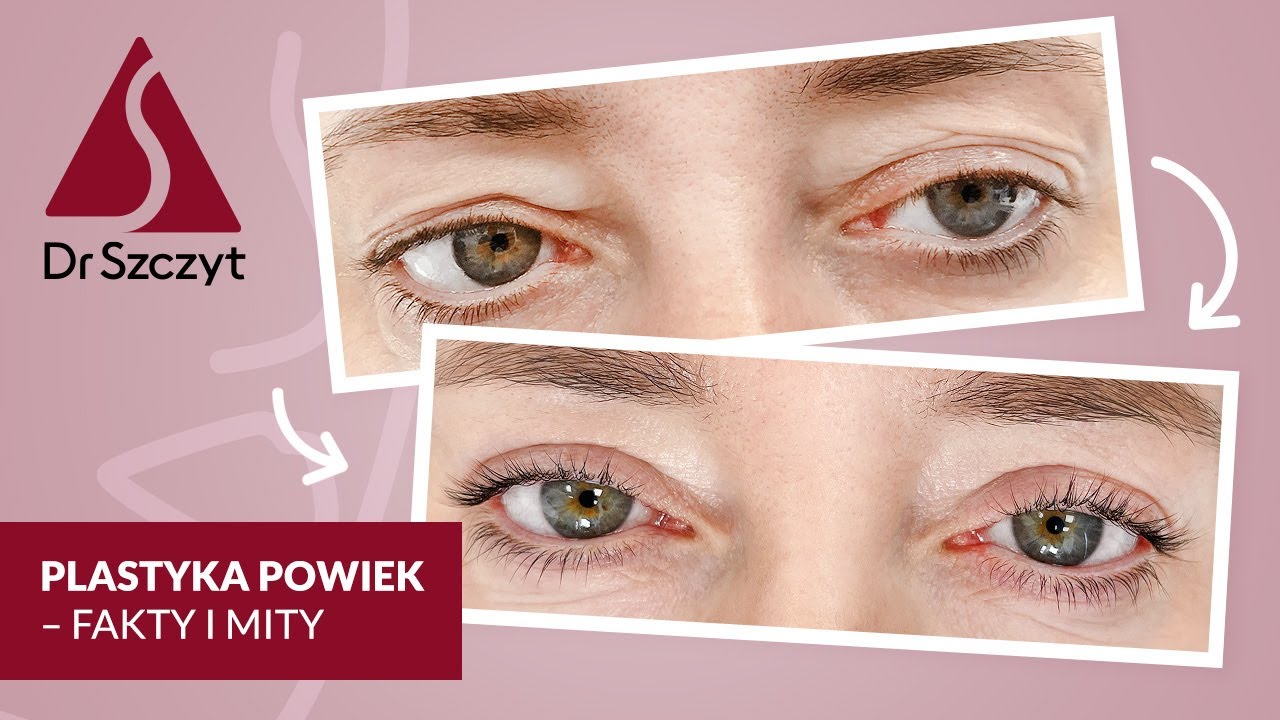
What results does eyelid surgery provide?
The results of the procedure include:
- removal of excess skin,
- smoothing of the eye area,
- improved eyelid contour,
- a more open look,
- in some cases – improved field of vision.
It's worth emphasizing that the goal is not to change the facial features, but to refresh them and restore proportions.
Recovery – what to expect?
After the procedure, swelling and bruising may appear around the eyes, which gradually subside. Stitches are usually removed after about a week. Most patients return to daily activities within 7–14 days, although full tissue healing takes longer.
During the period after the procedure, it's important to follow the doctor's recommendations, avoid physical exertion for a few days, and protect the eye area.
Can everyone have eyelid surgery?
No. As with any surgical procedure, there are contraindications. These include, among others:
- certain systemic diseases,
- blood clotting disorders,
- active infections,
- ophthalmological problems requiring prior diagnostic evaluation.
That's why eligibility for the procedure is always assessed on an individual basis.
Eyelid surgery is a procedure that often starts from an aesthetic need, but in many cases also has functional significance. Excess skin on the upper eyelids can affect vision, while changes around the lower eyelids can affect skin comfort and condition.
What matters most is an individual approach and proper qualification. This is what makes it possible to assess whether the procedure will make sense not only in terms of appearance, but also everyday functioning.
FAQ
Is eyelid surgery always an aesthetic procedure?
No. In some cases, especially with significant excess skin on the upper eyelids, the procedure can also be functional in nature and can improve the field of vision as well as the comfort of daily activities.
Does the procedure change the appearance of the face?
The goal is not to change the features, but to refresh them. The eyes look more open, but the face remains natural.
How long does recovery take?
Usually 7 to 14 days, although swelling and minor marks may persist a bit longer.
Are the results permanent?
The results last for many years, although the skin's aging process continues.
When is it worth scheduling a consultation?
When excess skin appears on the eyelids, along with a feeling of heaviness in the eyes, a reduced field of vision, or discomfort related to the appearance of this area.




Related articles


Important information
Payment at the clinic is accepted exclusively via Visa and Mastercard.