
Stage one – dental treatment
Małgorzata's treatment began with a dental consultation. The numerous gaps in her dentition required planning subsequent stages of the procedure.
The goal of the treatment was to replace missing teeth and restore proper bite conditions. As with other participants in the program, the dental treatment was a separate, staged process, the course of which depended on the individual condition of her teeth and oral tissues.
Comprehensive nose correction for Małgorzata
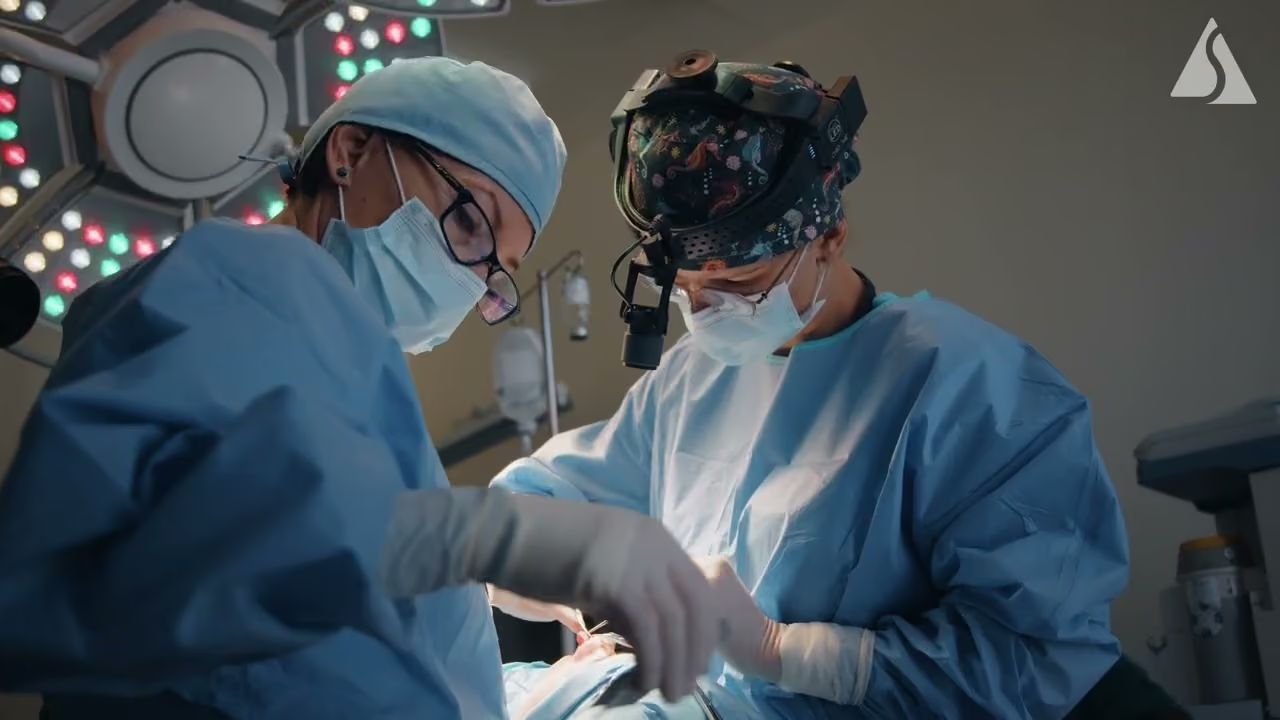
The next stage was a consultation at the Dr Szczyt Plastic Surgery clinic. Małgorzata was seen by Dr. Zofia Bochen, a plastic surgery specialist who planned a comprehensive nose correction. At the clinic, Dr. Bochen performs procedures including rhinoplasty and treatments using the patient's own adipose tissue.
The scope of rhinoplasty is always tailored individually. Correction can involve the bony part, the cartilaginous part, or both structures, and the choice of technique depends on the anatomy of the nose and the planned scope of the change. The surgery is preceded by a consultation during which the surgeon analyzes the structure of the nose and qualifies the patient for the appropriate procedure.
In Małgorzata's case, Piezo technology was used during the surgery.
Piezo – using ultrasound during nose correction
Piezo is a technology used to reshape the bony structures of the nose using ultrasound. It allows the surgeon to work selectively on the bone, controlling the scope of the correction with high precision.
The technique can be used, among other things, for correcting a hump, asymmetry, or the shape of the bony part of the nose. However, this does not mean it is suitable for every patient. The possibility of its use depends on the anatomy of the nose and the surgical plan, and the decision is made by the surgeon during the qualification process.
The use of this method alone does not allow for predicting the recovery process or the result for all patients. The healing process is influenced by factors such as the scope of the surgery performed and the individual characteristics of the body. The most important component, however, is the skill and experience of the surgeon.
Filling nasolabial folds with the patient's own adipose tissue
Małgorzata's plan also included restoring volume in the nasolabial folds using her own adipose tissue.
Fat grafting, or lipotransfer, involves harvesting fat from another area of the body, properly preparing the material, and then injecting it into selected areas using a thin cannula. One of the indications for using this method on the face can be to restore volume to the cheeks, the area under the eyes, or the nasolabial folds.
An important limitation of the procedure is the natural resorption (absorption) of a portion of the transplanted tissue. This means that the amount of fat that ultimately remains at the injection site may vary between patients. In some cases, it is also possible to repeat the procedure.
What does the rhinoplasty qualification process look like?
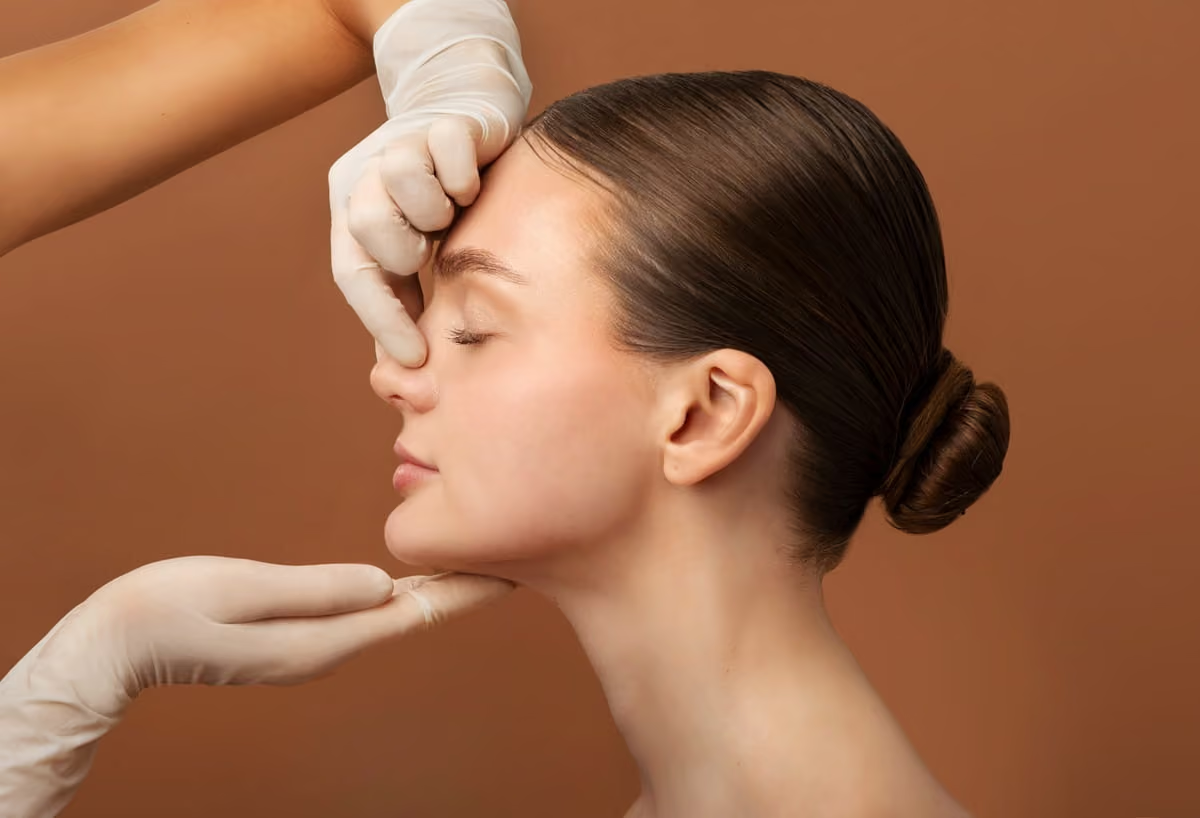
Rhinoplasty is preceded by an individual surgical consultation. The doctor assesses the structure of the bone and cartilage, the scope of the planned correction, and the patient's overall health. Only then can a surgical plan be established.
As part of the qualification, the doctor orders tests necessary to assess the safety of the surgery and anesthesia. The scope of these tests depends on the patient's health, age, medications taken, and the planned procedure.
Certain conditions may be a contraindication to surgery or require it to be postponed. These include, among others, coagulation disorders, uncontrolled hypertension or diabetes, active infections, pregnancy, or certain chronic diseases. The final decision regarding qualification always rests with the doctor.
The patient should also inform the doctor about all medications and supplements they are taking. Any changes to pharmacotherapy before surgery should be based on individual recommendations – medications should not be discontinued or their dosage changed without medical advice.
Recovery after rhinoplasty
After the surgery, Małgorzata went through a recovery period before she could return to the next stages of the program.
In the first few days after rhinoplasty, swelling and bruising may occur around the nose, cheeks, and eyes. After the dressing is removed, the nose may still be swollen, so its appearance in the first few weeks should not be considered the final result.
Returning to daily activities is an individual process and depends on the scope of the surgery and the healing process. For the first few weeks, it is necessary to limit strenuous physical activity and follow the recommendations set by the surgeon.
The final shape of the nose after rhinoplasty is a process that takes many months. Full recovery can take about 12 months, and for some patients, assessing the final appearance of the nose requires even more time.
Risks and limitations – what should you keep in mind?
An informed decision about surgery should take into account both the planned scope of the procedure and the potential benefits, as well as its limitations and the risk of complications.
Like any surgical intervention, rhinoplasty carries the possibility of complications such as bleeding, infection, healing problems, anesthesia-related issues, or unfavorable scarring. Sensory disturbances in the operated area are also possible.
In the case of rhinoplasty, an additional limitation is the time required for the operated structures to stabilize. Swelling can affect the appearance of the nose for many weeks or months, so the early post-operative image should not be equated with the final result. It is also impossible to guarantee a specific aesthetic effect or an identical result for different patients.
In the case of fat grafting, the result also depends on the individual healing process and the degree to which the transplanted tissue is accepted. Some of the fat may be naturally absorbed by the body.
The finale of Małgorzata's story
After completing the initial recovery period, Małgorzata returned to the program to undergo the next stage of her transformation under the guidance of image specialists.
In the finale, we saw the protagonist after further stages of dental treatment, comprehensive rhinoplasty using Piezo technology, and filling of the nasolabial folds with her own fat tissue.
Małgorzata's story illustrates the treatment process for one specific patient. The scope of rhinoplasty, the suitability of Piezo technology, the recovery process, and the results achieved may vary between patients and require an individual medical assessment.
This article is for informational purposes only. Qualification for surgery, risk assessment, and pre- and post-operative recommendations require an individual consultation with a doctor.