Liposuction

When dreaming of a beautiful and slender figure, we certainly realize that a proper diet, physical activity, and a healthy lifestyle are essential. However, there are areas on our body where removing excess fat can be more challenging, especially the abdomen, thighs, and arms. If you want to improve your figure and get rid of stubborn fat, liposuction is a worthwhile option.

Scroll down to learn more about the procedure and find answers to frequently asked questions.

Price

from PLN 3,000

Treatment time

120 min

Anesthesia

Yes

Area

Body

What is liposuction and what does the procedure look like?

Liposuction is a procedure that removes excess fat from specific areas of the body - especially problem areas that are difficult to get rid of through natural means, such as diet or physical activity. Despite the weight loss, it is not a weight-loss procedure, instead it significantly improves appearance by modeling the figure, accentuating the waistline or rounding the buttocks. There are several types of liposuction - traditional, laser or ultrasound. The choice of method corresponds to the individual predisposition and expectations of each patient.

The procedure is performed under general or intravenous anesthesia and lasts – depending on the type of liposuction and the extent of the procedure – from 2 to 5 hours. It is preceded by an initial consultation, during which the patient is qualified for the procedure. During liposuction, the surgeon draws a map on the body indicating the areas from which fat will be removed. Next, a few small incisions are made in the skin. The adipose tissue is then injected with a special anesthetic solution and broken up with a special device to allow for the removal of excess fat. Currently, before the fat is removed, the fat cells are "dissolved" using a laser or ultrasound, which prevents tissue damage. During one procedure, about 3-4 liters of fat can be removed.

Laser liposuction uses a special device that emits laser waves, which, when administered continuously, lead to the destruction of fat cells. When the patient - in addition to getting rid of a few pounds or centimeters - is also interested in filling selected areas with their own fat, a laser emitting a single laser beam is used, which breaks up rather than destroys the cells, so they can be used as a filler. Ultrasonic liposuction, on the other hand, uses a device with an effective but gentle action, so there is no damage to the vessels.

After the liposuction is performed, a special compression suit is applied to reduce the resulting swelling.

How to prepare for a liposuction procedure?

Liposuction is preceded by an initial consultation, necessary tests and qualification for the procedure. Three weeks before the scheduled procedure, blood clotting-lowering drugs and hormonal medications should be discontinued. One week before the procedure, it is recommended to stop or limit stimulants such as alcohol and cigarettes. On the day of the procedure, the patient must be fasting. In addition, bathe thoroughly and remove hair if the treated areas are covered with them. Refrain from applying cosmetics to the skin.

What to do after liposuction surgery?

After the liposuction procedure, the patient remains in the hospital for one day. Swelling and bruising occur during the procedure, hence painkillers are administered to relieve pain. For about two weeks, intense sunbathing, use of tanning beds and saunas should be limited, and excessive exercise and physical activity should be abandoned. It is imperative to follow the individual doctor's recommendations, as well as to remember to be active and eat a proper diet.

What are the contraindications to liposuction surgery?

Liposuction is a procedure that can be performed on fully healthy individuals. Contraindications for the available methods are diabetes mellitus, blood clotting disorders, chronic, autoimmune and cancerous diseases, vascular blemishes, pregnancy. In addition, the procedures are not performed on people with mental disorders, as well as on compulsive smokers and people with weight problems.

Important information

Duration of treatment

ca. 2-5 hours

Required tests

blood group, blood count, coagulation indices (APTT and INR), creatinine, glucose level, electrolytes (Na, K), anti-HIV and anti-HCV

Anesthesia

intravenous or general

Stay at the clinic

1 day

Recovery

about 14 days

Suture removal

on the 7 or 8 day (if applied)

Dressing changes

as recommended by the surgeon

Contraindications

Vascular diathesis, coagulation disorders, unregulated hypertension, unregulated diabetes, purulent infection of the skin and mucous membranes, pregnancy

Pre-treatment recommendations

Pre-procedure instructions.pdf

Additional contraindications

breastfeeding (until the end of lactation)

Additional post-treatment recommendations:

compression garments as recommended by the surgeon, wound care, adequate hydration, avoiding smoking, possible massages or lymphatic drainage after consulting the doctor; gradual return to daily activities usually after 1-2 weeks, and to more strenuous exercise usually after about 4-6 weeks.

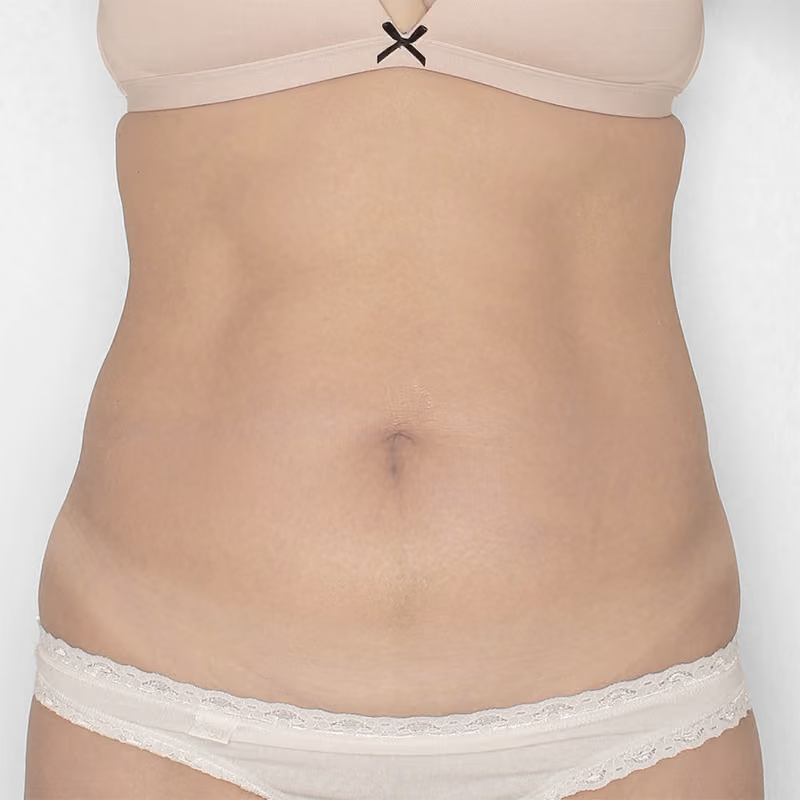
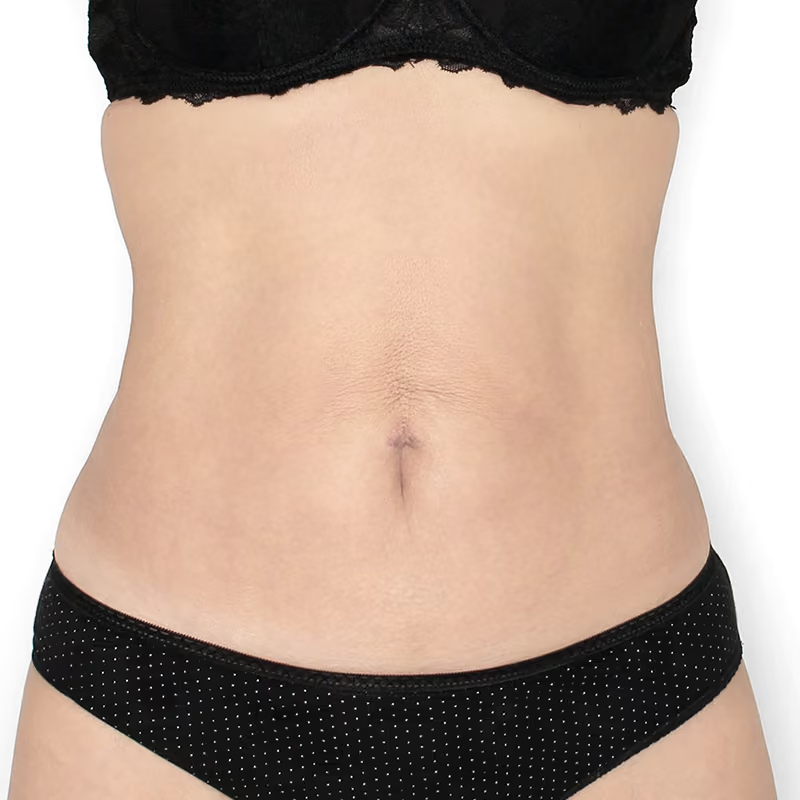
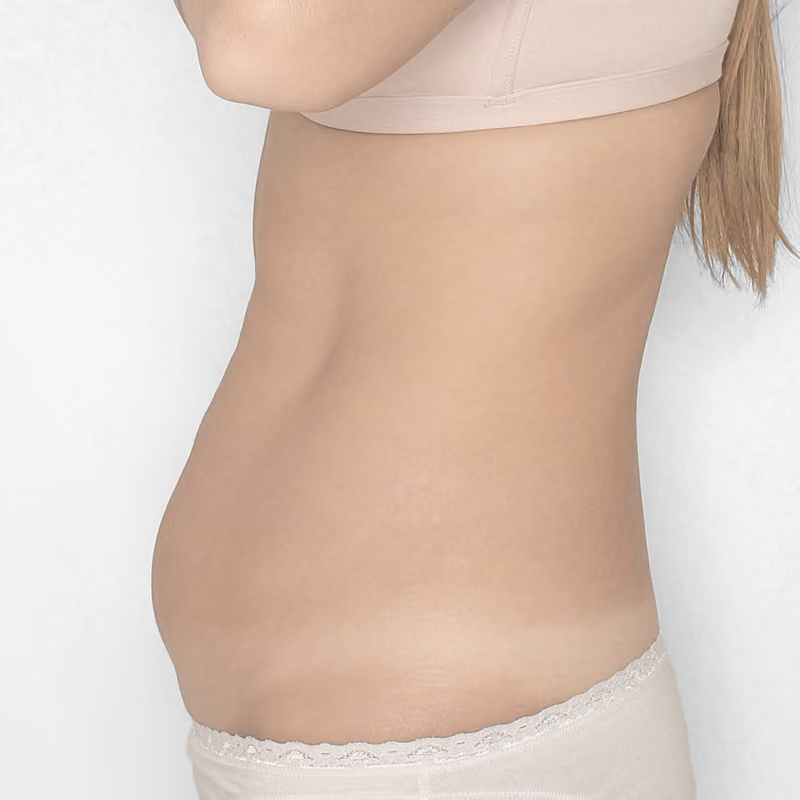
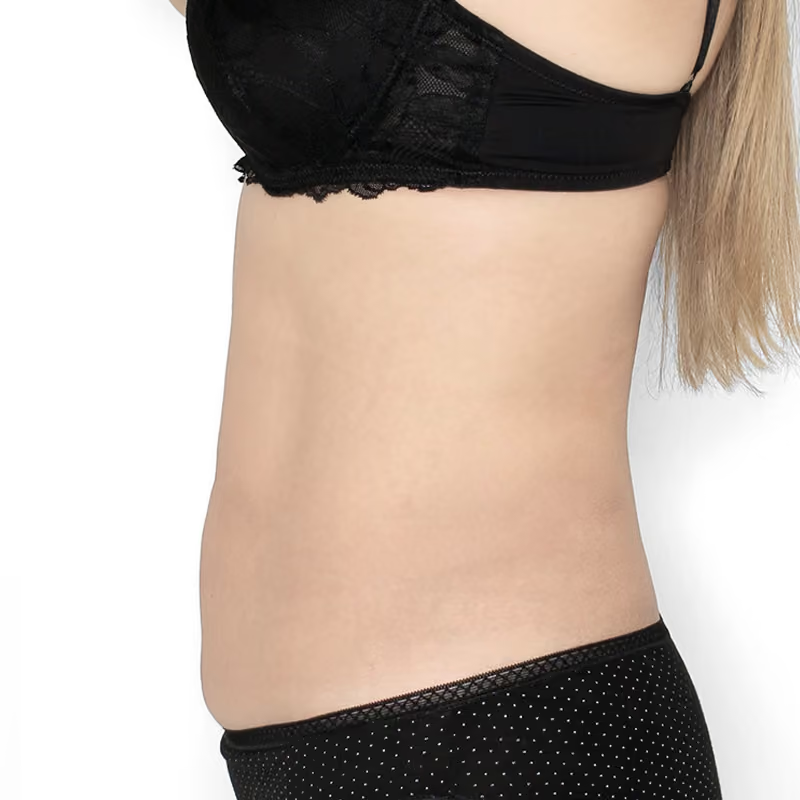
Liposuction of the abdomen and flanks is a procedure to help achieve the desired silhouette. Fat tissue is very often deposited in these areas, and losing it on its own is often difficult.

Dr hab. n. med. Artur Pasternak

Plastic Surgeon
FAQ

Answers to frequently asked questions about a variety of treatments and procedures.

How to make an appointment at Dr Szczyt Clinic?

You can schedule a visit by calling 22 654 90 60 or via the website under Consultation appointments.

Czy laserowe zamykanie naczynek boli?

Zabieg zwykle nie wymaga znieczulenia. Podczas impulsu można odczuwać krótkie pieczenie, szczypanie lub uczucie podobne do uderzenia naciągniętą gumką. Chłodzenie kontaktowe zmniejsza dyskomfort i chroni powierzchnię skóry.

Jak wygląda rekonwalescencja i kiedy można wrócić do makijażu oraz aktywności?

Większość pacjentów wraca do codziennych aktywności bardzo szybko. Bezpośrednio po zabiegu skóra może być zaczerwieniona i lekko obrzęknięta, a objawy zwykle ustępują w ciągu kilku dni. Makijażu nie należy nakładać przez pierwsze 24 godziny. Intensywny wysiłek, sauna, gorące kąpiele i inne czynniki przegrzewające skórę powinny być ograniczone do czasu wyciszenia reakcji pozabiegowej

Czy liposukcja boli i jakie znieczulenie jest stosowane?

Zabieg liposukcji wykonywany jest w znieczuleniu dożylnym lub ogólnym, dlatego w trakcie procedury pacjent nie powinien odczuwać bólu. Po zabiegu mogą pojawić się przejściowe dolegliwości bólowe, obrzęk i zasinienia. W razie potrzeby stosowane jest leczenie przeciwbólowe zgodnie z zaleceniem lekarza.

Po jakim czasie widać efekty liposukcji?

Pierwsza zmiana konturu sylwetki jest zwykle widoczna stosunkowo szybko, jednak efektu nie należy oceniać zbyt wcześnie ze względu na obrzęk. Bardziej miarodajna ocena jest możliwa po kilku tygodniach, kiedy tkanki stopniowo się goją i zmniejsza się opuchlizna.

Czy efekt liposukcji jest trwały?

Efekty liposukcji mogą być długotrwałe, zwłaszcza przy utrzymaniu stabilnej masy ciała. Zabieg usuwa część komórek tłuszczowych z wybranego obszaru, ale nie chroni przed ponownym zwiększeniem ilości tkanki tłuszczowej przy istotnym przyroście masy ciała. Dlatego po zabiegu ważne są zdrowe nawyki, aktywność fizyczna i stabilna waga.

Jakie mogą być powikłania po liposukcji?

Po zabiegu typowe są obrzęk, zasinienia i tkliwość. Możliwe są również krwiaki, przejściowe zaburzenia czucia, nierówności konturu lub asymetria. Do rzadszych, ale istotnych powikłań należą seroma, zakażenie i powikłania zakrzepowo-zatorowe. Niepokojące lub szybko nasilające się objawy należy skonsultować z lekarzem.

Czy liposukcję trzeba powtarzać?

Liposukcja jest planowana jako zabieg modelujący konkretny obszar i nie wymaga rutynowego powtarzania. Ewentualna kolejna procedura może być rozważona tylko wtedy, gdy po pełnym wygojeniu istnieją ku temu wskazania i lekarz uzna ją za bezpieczną.

Kiedy można wrócić do pracy, prowadzenia auta i sportu po liposukcji?

Do codziennych zajęć wiele osób wraca po około 1–2 tygodniach. Powrót do większego wysiłku i treningów zwykle następuje stopniowo, często po około 4–6 tygodniach, zależnie od zakresu zabiegu i przebiegu gojenia. Prowadzenie samochodu należy wznowić dopiero wtedy, gdy pacjent porusza się swobodnie, nie przyjmuje leków ograniczających zdolność prowadzenia pojazdów i otrzyma zgodę lekarza prowadzącego.

Jak długo nosić odzież uciskową po liposukcji?

Odzież uciskowa pomaga ograniczać obrzęk i wspiera gojenie operowanego obszaru. Czas jej noszenia zależy od zakresu zabiegu i indywidualnego przebiegu rekonwalescencji, dlatego należy stosować ją dokładnie tak długo, jak zaleci operator podczas kontroli pooperacyjnych.

Na jakich częściach ciała wykonywana jest liposukcja?

Liposukcja może obejmować różne okolice ciała, zależnie od wskazań i kwalifikacji. W Klinice Dr Szczyt zabieg wykonywany jest m.in. w obrębie brzucha, bioder, ud, pośladków, kolan, łydek, ramion i pach. Jedną z najczęściej wybieranych okolic jest brzuch, gdzie celem jest przede wszystkim modelowanie konturu i podkreślenie talii, a nie redukcja masy ciała.

Jak umówić się na wizytę w Klinice Dr Szczyt?

Wizytę możesz umówić, kontaktując się telefonicznie pod numerem 22 654 90 60 lub za pośrednictwem strony internetowej w zakładce Terminy konsultacji.

Jak umówić się na wizytę w Klinice Dr Szczyt?

Wizytę możesz umówić, kontaktując się telefonicznie pod numerem 22 654 90 60 lub za pośrednictwem strony internetowej w zakładce Terminy konsultacji.

How do you choose the right treatment at Dr Szczyt Clinic?

The best way to choose the right treatment at a plastic surgery and aesthetic medicine clinic is to start with a consultation with a specialist. During the visit, the doctor will conduct a detailed medical interview, familiarize themselves with the patient's expectations, and assess their health and the specific nature of the aesthetic problem. Based on this information, they will advise on which treatments will be appropriate to achieve the desired results. The consultation also allows you to discuss the available options, their potential effects, and any possible risks, which makes it easier to make an informed decision.

What are the risks associated with plastic surgery procedures?

Every plastic surgery procedure, like any medical intervention, involves certain risks. The most common complications include infections, bleeding, reactions to anesthesia, and scarring. Less common complications include blood clots, pulmonary embolism, and sensory disturbances in the operated area. Proper preparation of the patient, careful qualification for the procedure, and the experience and professionalism of the medical team significantly minimize these risks. It is also important to follow the doctor's recommendations in the postoperative period, which allows for a faster and safer recovery.

Are aesthetic medicine procedures painful?

Aesthetic medicine treatments are usually minimally invasive and involve minimal discomfort. Most of them, such as injections or laser therapy, are performed using local anesthetics, which significantly reduces discomfort. Patients may experience slight pricking, burning, or tightness of the skin, but these symptoms usually disappear quickly after the procedure. If necessary, the doctor will always select appropriate pain relief methods to ensure maximum comfort for patients.