

Specialists answer your questions
Long-term regeneration and revitalization of facial skin
Platelet-rich plasma is a preparation obtained from the patient's blood, in which the concentration of platelets is higher than in natural, physiological plasma. This therapy has been used successfully for many years not only in aesthetic medicine, but also in dentistry, reconstructive surgery and orthopedics. Platelet-rich plasma is used to accelerate wound healing, smooth scars, regenerate periodontal tissues and rebuild bone tissue. It also reduces the visibility of signs of skin aging.
PRP is an autologous preparation, i.e. prepared from the patient's own blood. Platelets contain growth factors that take part in repair and regenerative processes. After the preparation is administered, fibroblasts are stimulated and collagen is produced, among other things, which can help improve the quality, firmness and density of the skin as well as its blood supply.
What does platelet-rich plasma therapy look like?
The procedure begins with drawing a small amount of blood from the patient, about 6-60 ml. It is placed in special tubes, which are then put in a device that centrifuges it. This separates the leukocytes and erythrocytes from the plasma with platelets. In this way, a preparation called platelet-rich plasma is obtained, which is then injected into the patient's skin. This is done linearly, along a selected fold or wrinkle, or using the classic mesotherapy technique.
Platelet-rich plasma stimulates the cells involved in regenerative processes, as well as fibroblasts, which are responsible, among others, for collagen production. Because the preparation is made from the patient's own blood, the risk of an allergic reaction is low.
Right after PRP is administered, redness, slight swelling, tenderness, itching or small bruises may appear at the injection sites. These are most often temporary post-treatment reactions that resolve within about 1-3 days, although individual bruises may last longer. Before the preparation is injected, an anesthetic cream is applied to the skin to reduce discomfort during the procedure.
What effects does platelet-rich plasma provide?
The procedure revitalizes the skin and evens out its tone, and also improves its elasticity, density and tension. Wrinkles are smoothed and therefore less visible, so patients can enjoy a younger and more radiant appearance. Platelet-rich plasma therapy also enables the remodeling of collagen fibers and improves blood supply to the skin. The procedure is very effective, results are visible as early as 2 weeks after it is performed and last up to several months.
The effect of the therapy builds over time, because regenerative processes and skin remodeling continue after the procedure is completed. To achieve the optimal result, a series of 3-4 treatments is usually performed, according to an individual plan set by the doctor.
Platelet-rich plasma - indications
Platelet-rich plasma therapy is recommended for people who want to get rid of problems such as:
- wrinkles and unsightly folds,
- tired, dry, flabby and dull skin,
- uneven skin tone,
- visible scars, e.g. acne scars.
Platelet-rich plasma is also given to patients struggling with male pattern baldness. In addition, it speeds up the healing and regeneration of the skin after other aesthetic medicine procedures.
Depending on the indications, PRP therapy can also be performed on the neck and décolleté, when the goal is to improve skin quality, firmness and density; on the hands - to improve skin condition; and on the scalp, among others as part of the treatment of excessive hair loss and androgenetic alopecia. Plasma can also be used on selected scars and areas requiring regeneration.
Recommendations after platelet-rich plasma treatment
For the first 48-72 hours after the procedure, it is worth limiting factors that may increase irritation and swelling. Avoid rubbing and intensively touching the injection sites, strenuous physical exertion, saunas and swimming pools, and intense UV exposure. Skin care should be gentle and in line with the doctor's recommendations. The exact duration of these restrictions may depend on the treated area and the skin's reaction.
Important information
Duration of treatment
ca. 60 min.
Required tests
-
Anesthesia
local
Stay at the clinic
discharge immediately after the procedure
Recovery
usually short; redness, swelling, tenderness or bruising at the injection sites usually resolve within about 1-3 days
Suture removal
-
Dressing changes
-
Contraindications
pregnancy, active infection, active herpes, purulent skin lesions, systemic infection, breastfeeding, blood diseases and clotting disorders, taking anticoagulant or antiplatelet drugs requiring individual medical qualification, active cancer, some autoimmune diseases and a tendency to form keloids or hypertrophic scars. Do not stop taking anticoagulant or antiplatelet drugs on your own before the treatment. The decision on whether PRP can be performed and on any change to your medication is made by the doctor after taking a medical history and assessing the risk.
Price list
Type of treatment
Price from
Price to
Platelet-rich plasma
PLN 1,500
PLN 4,500

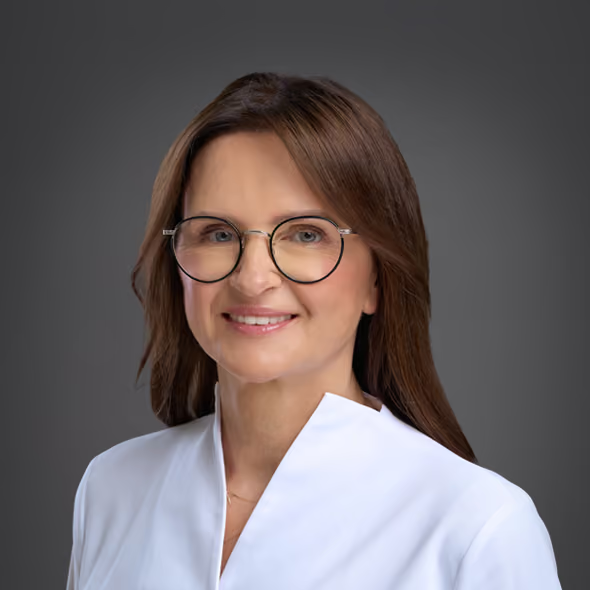
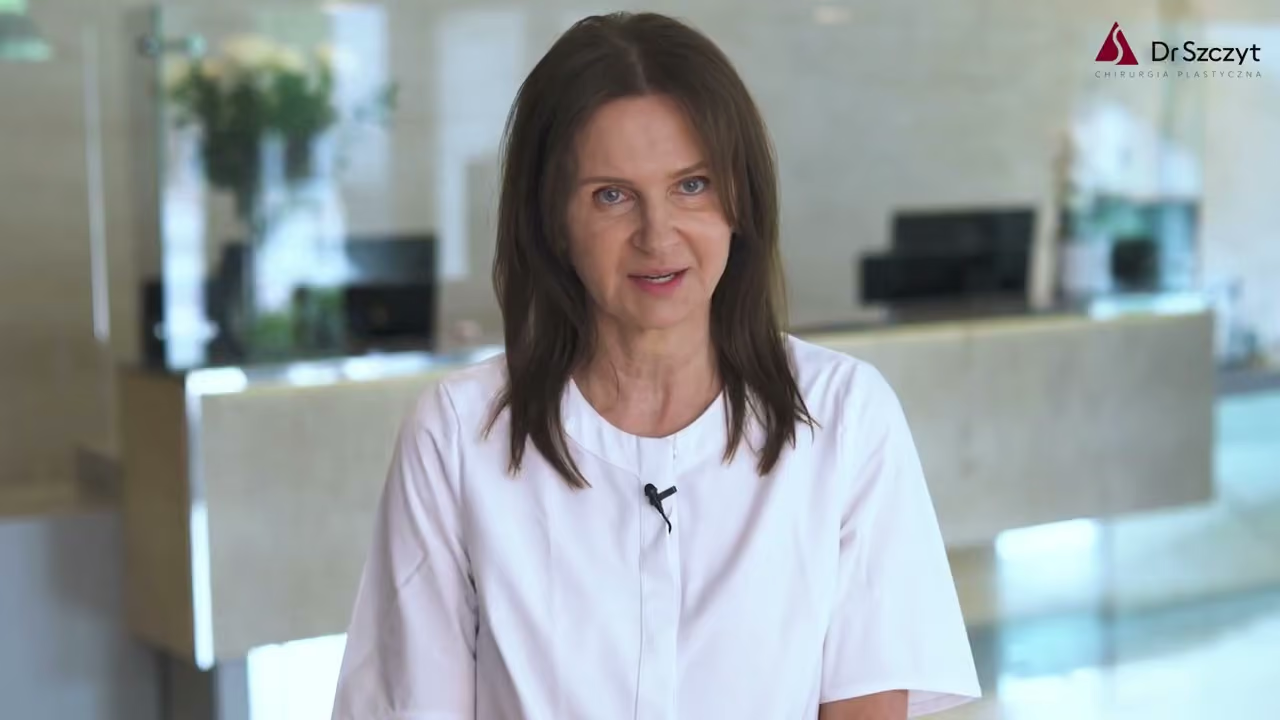
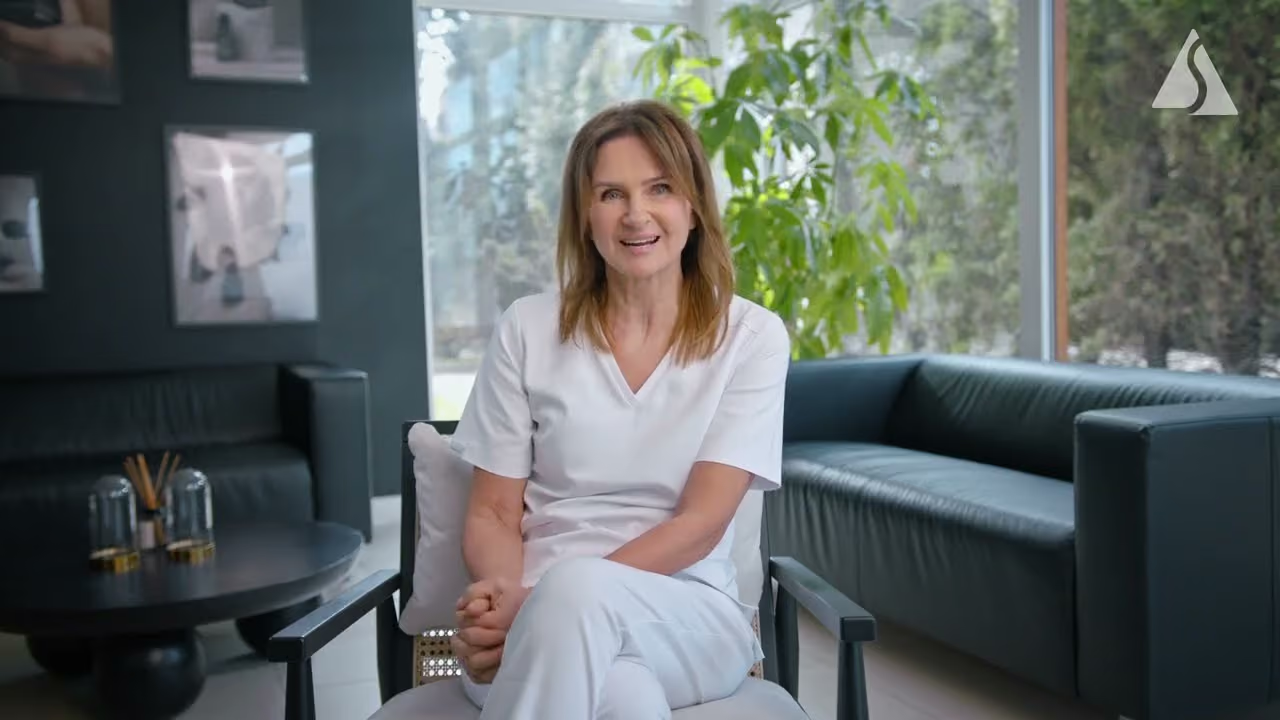
Dr n. med. Aleksandra Rymsza
Aesthetic Medicine Specialist / Dermatology Specialist