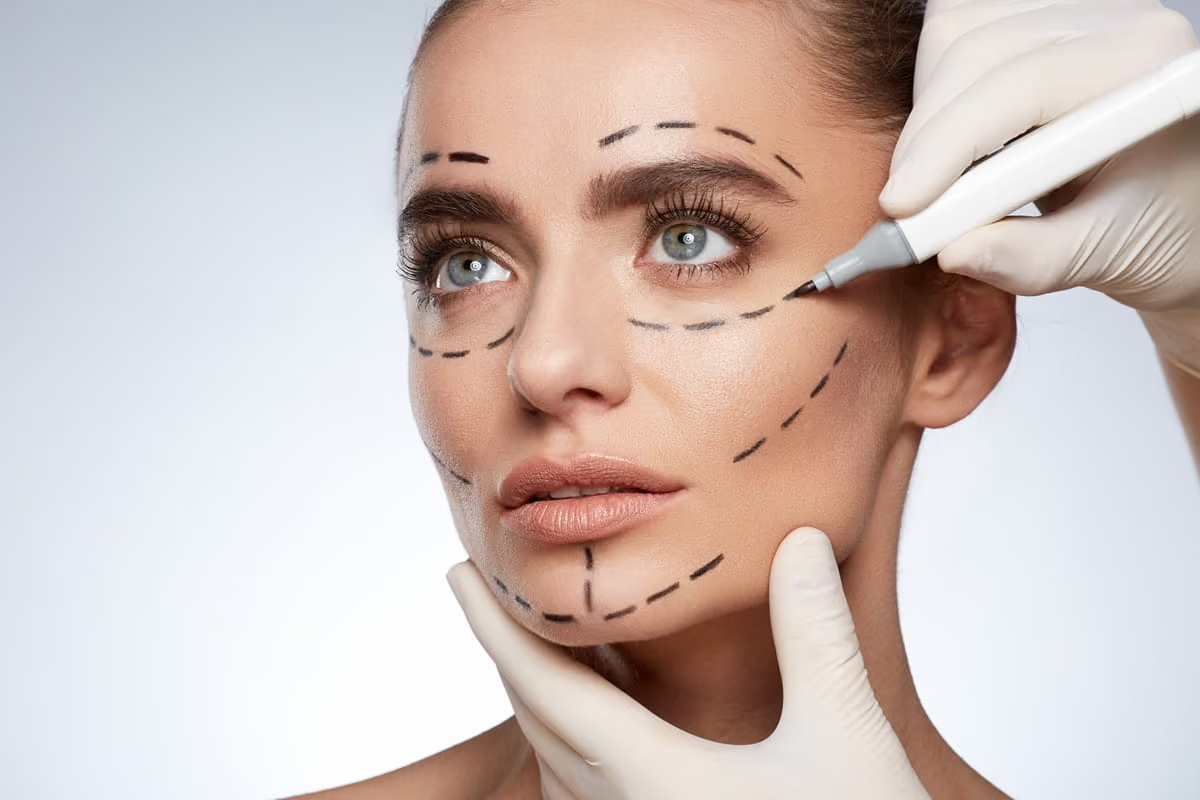

In this episode, we follow the stages of her journey: dental treatment, qualification for facial and neck surgery, recovery, and her transformation. Żaneta underwent a deep plane facelift combined with a neck lift, upper blepharoplasty, and a lip lift.
Stage one – Żaneta's dental treatment
For about 20 years, Żaneta avoided dental visits, partly due to a severe phobia of dental procedures. When she began participating in the program, the state of her teeth required a multi-stage approach, which also included treating oral inflammation.
During a consultation at Nawrocki Clinic, Dr. Michał Nawrocki and his team planned the subsequent stages of treatment. They performed the removal of remaining tooth roots and teeth requiring extraction. The treatment also included bone grafting, a sinus lift, and the placement of five implants.
Facelift and neck lift after weight loss
The next stage was a consultation at Dr Szczyt Chirurgia Plastyczna with Dr. Artur Pasternak, MD, PhD. The surgeon assessed the condition of Żaneta's facial and neck tissues, discussed her expectations, and planned the scope of the surgery.
Significant weight loss can lead to a reduction in tissue volume and the appearance of excess skin. However, these changes do not occur in the same way for everyone. The number of kilograms lost does not automatically determine the need for a facelift or the choice of surgical technique.
In Żaneta's case, the plan included:
- a deep plane facelift;
- a neck lift, including platysmaplasty and the removal of excess skin;
- upper blepharoplasty;
- a lip lift, which is a surgical correction of the upper lip.
The procedures were performed during a single operation. The ability to combine them requires individual assessment, taking into account the patient's health, the scope of the intervention, the expected duration of surgery and anesthesia, and the subsequent recovery period.
Deep Plane Face Lift – what does this technique involve?
A deep plane facelift is a surgical technique that involves dissecting and repositioning tissues in the layer located beneath the superficial musculo-aponeurotic system, known as the SMAS.
The surgeon releases the appropriate tissue connections, then repositions and stabilizes them according to the surgical plan. The extent of the dissection, the method of tissue fixation, and the management of the skin depend on the patient's anatomy and the specific surgical technique used.
Żaneta underwent a deep plane facelift combined with a neck lift. The neck correction also involved the platysma muscle and the removal of excess skin.
The choice of technique does not guarantee a specific outcome. The condition of the tissues, the scope of the surgery, and the individual healing process are also significant factors.
Upper eyelid surgery - aesthetic and functional indications
One of the elements of Żaneta's surgery was upper eyelid surgery, also known as blepharoplasty.
The procedure may involve the removal of excess skin and, in selected cases, appropriate management of adipose tissue or a portion of the orbicularis oculi muscle. The scope is determined during the examination and qualification process.
Excess eyelid skin can cause a feeling of heaviness, and for some, it may restrict the field of vision. Indications for surgery can therefore relate to both the appearance and the function of the eyelids. However, diagnosing a specific problem requires a medical examination—the mere presence of a skin fold does not automatically indicate a functional need.
The procedure completely changes the patient's look—they appear more rested. Sometimes a large skin overhang can restrict the field of vision, so this is a procedure that offers several benefits, explained Dr. Artur Pasternak, MD, PhD, on the program.
Lip lift - surgical correction of the upper lip
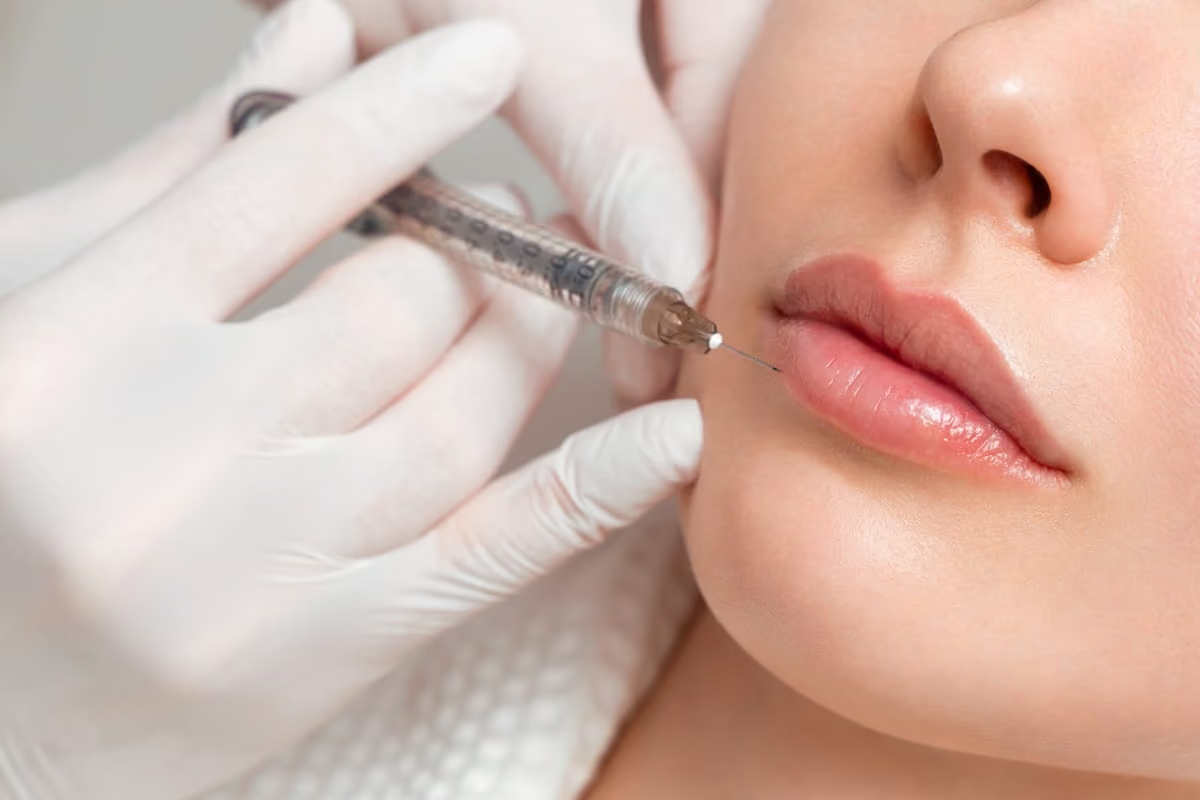
During the surgery, a lip liftlip lift was also performed. In the subnasal incision variant, the procedure involves removing a planned segment of skin and shortening the cutaneous portion of the upper lip, which is the distance between the base of the nose and the vermilion border.
Qualification includes an assessment of facial and lip proportions, skin condition, and patient expectations. The doctor also discusses the placement of the incision, the possibility of a visible scar, and other risks associated with the surgery.
A lip lift remains a distinct surgical procedure, even when performed during the same operation as a facelift or eyelid surgery.
Qualification and preparation for face and neck surgery
Preparation begins with a consultation with the surgeon. It includes an assessment of facial anatomy, the condition of the skin and deeper tissues, general health, and treatment expectations.
Following significant weight loss, the doctor may also consider weight stability and nutritional status. A history of bariatric surgery is important information during the qualification process.
The patient should inform the doctor about:
- chronic illnesses and past surgeries;
- all medications, supplements, and herbal preparations currently being taken;
- previous difficulties with healing and anesthesia;
- smoking and the use of other nicotine products.
Tests and preparation methods are tailored to the planned procedures and the type of anesthesia. Any changes to pharmacotherapy must be discussed with the doctor—do not discontinue medications or change dosages on your own.
In the case of a combined surgery, the qualification and recommendations apply to the entire planned scope of procedures.
Recovery after a facelift, neck lift, and eyelid surgery
After the surgery, Żaneta needed time for healing and follow-up visits. A few months later, she took part in the next part of the program, during which her makeover was prepared.
After a face and neck lift, swelling, bruising, a feeling of tightness, and temporary sensory changes may occur. These symptoms usually subside gradually in the first few weeks, but for some people, they may persist longer.
Returning to daily activities does not mean that healing is complete. The reduction of swelling, tissue stabilization, and scar maturation can take several more months. The appearance of the face immediately after surgery does not represent the final result.
After eyelid surgery and a lip lift, it is also necessary to follow the care instructions for the operated areas. Timelines for returning to work, physical activity, or wearing makeup are determined on an individual basis.
Because Żaneta underwent several procedures during a single surgery, her recovery should not be assessed solely based on the estimated healing time for a single procedure.
Risks of face and neck surgery and possible contraindications
Every surgery carries the risk of complications. In the case of a face and neck lift, these may include:
- bleeding and hematoma;
- infection;
- healing complications and unfavorable scar appearance;
- prolonged swelling or sensory disturbances;
- asymmetry and results that differ from expectations;
- nerve damage, which may cause facial weakness;
- complications related to anesthesia.
Blepharoplasty and lip lift also carry their own specific risks. Discussing these is a key part of the qualification process and the patient's informed decision.
Certain medical conditions or abnormalities may require additional diagnostics, treatment, or the postponement of surgery. This applies to, among others, uncontrolled cardiovascular diseases, unregulated hypertension or diabetes, blood clotting disorders, and active infections.
Surgery does not stop the aging process. Future tissue appearance is also influenced by weight changes, overall health, and individual biological processes.
The finale of Żaneta's story in "Bez kompleksów"
A few months after the surgery, Żaneta met with the team responsible for her makeover. A new hairstyle, makeup, and styling completed her journey on the show.
The finale of the fifth episode of the second season of "Bez kompleksów" summarized the dental treatment stages and the face and neck surgery presented. It was part of one patient's story, not a universal treatment plan for post-significant weight loss.
The scope of surgery, the possibility of combining several procedures, recovery time, and results can vary between patients. The outcome shown in the program is not a guarantee of achieving a similar result for another person.
This article is for informational purposes only. Qualification for surgery, assessment of benefits and risks, and pre- and post-operative recommendations require an individual consultation with a doctor.