

Laser Hair Removal vs. Other Hair Removal Methods – When Does Laser Give You the Advantage?
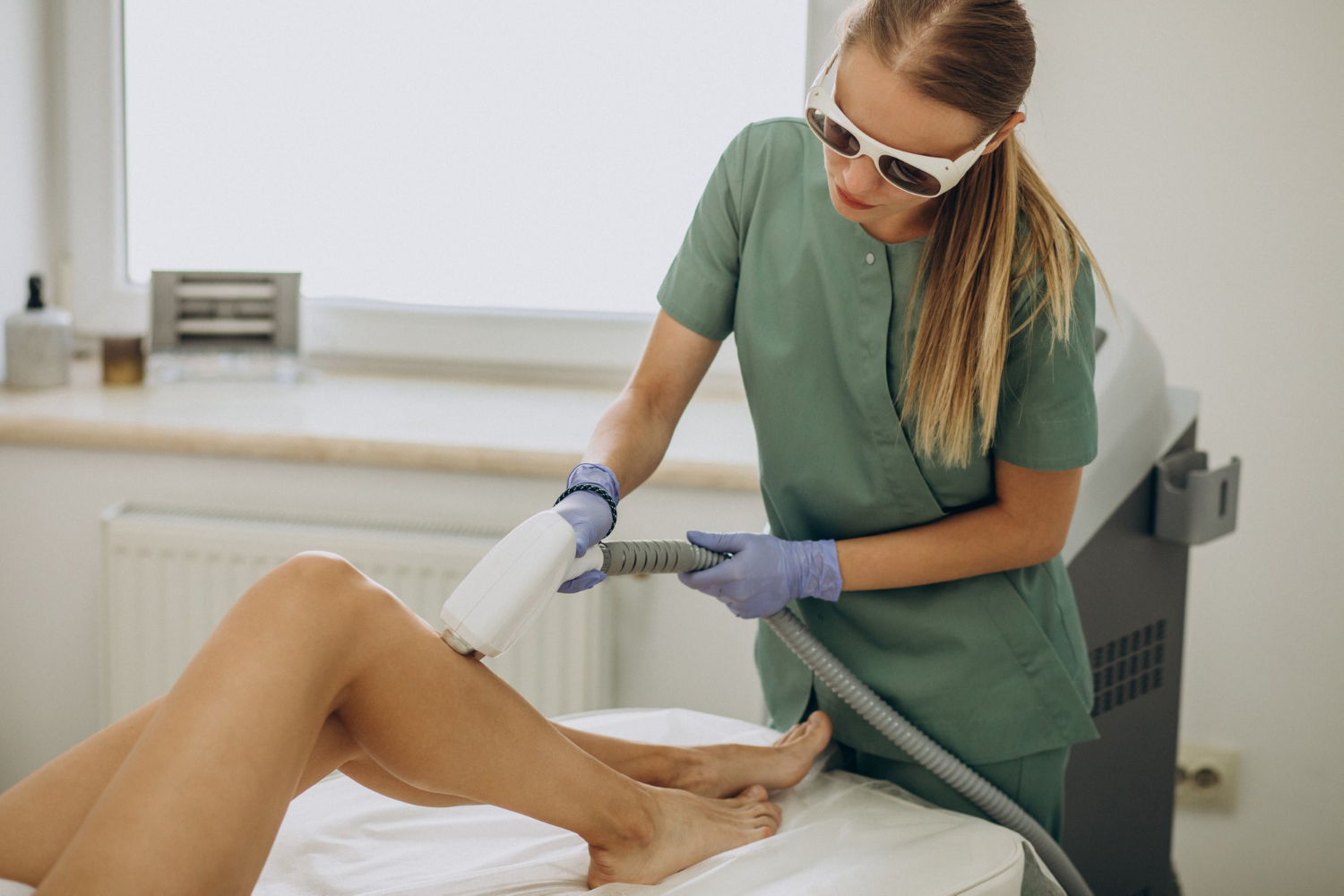
Hair removal isn't just a matter of aesthetics – it's also about comfort, hygiene, and limiting problems such as ingrown hairs or irritation. There are many methods to choose from, ranging from shaving to light-based treatments. They differ in effectiveness, how long the results last, the risk of side effects, and how much they strain the skin. Laser hair removal is today one of the best-researched methods of long-term hair reduction – but it isn't always a solution "for everyone" or "right away." Below, I explain when laser really does give you the advantage and how it compares to other methods.
What is laser hair removal, and why does it work long-term?
Laser hair removal is a treatment in which light energy is selectively absorbed by melanin (pigment) in the hair shaft and in the structures of the hair follicle. This causes controlled damage to the parts of the follicle responsible for hair regrowth. The effect isn't "one and done," because hair grows in cycles, and the laser works best on hair that is in the active growth phase (anagen). That's why a series of treatments is necessary.
In practice, we're talking about long-term hair reduction: there is less hair, it grows more slowly, it's finer and thinner, and the problem of ingrown hairs usually decreases significantly.
How does laser compare to other methods?
Shaving (razor, trimmer)
Pros: fast, cheap, painless, available right away.
Cons: the effect lasts only 1–3 days, frequent micro-injuries to the epidermis, irritation, "strawberry legs," risk of folliculitis, and ingrown hairs in some people.
When does laser have the advantage?
When shaving causes regular irritation, pimples, itching, or ingrown hairs, or when you simply don't want to deal with this every few days.
Depilatory creams
Pros: no blade involved, results last longer than shaving.
Cons: they work only superficially, can cause allergic reactions and irritation (chemically "dissolving" the hair shaft), and the effect is short-lived.
When does laser have the advantage?
When the skin is sensitive or reacts with irritation to chemical ingredients, and the hair problem is recurring and bothersome.
Waxing / sugaring
Pros: smooth skin usually for 2–4 weeks, the hair is removed together with the root.
Cons: painful, risk of irritation, bruising, folliculitis, ingrown hairs; with frequent sessions the skin can become "overworked." Requires letting the hair grow to the right length beforehand.
When does laser have the advantage?
When mechanical hair removal increases ingrown hairs, causes inflammation, or when you want to avoid regular pain and having to let your hair grow out before each session.
Electric epilator (plucking)
Pros: effect usually lasts 2–3 weeks, can be done at home.
Cons: painful, frequent ingrown hairs, irritation, folliculitis; for some people this method is hard to tolerate on delicate areas.
When does laser have the advantage?
When an epilator causes recurring folliculitis, and the skin takes a long time to "recover."
IPL (Intense Pulsed Light)
Pros: in selected cases it does reduce hair growth, it can be cheaper, and it's also available in home-use versions.
Cons: IPL is not a laser – it emits a broad spectrum of light, and its parameters tend to be less precise. Effectiveness and predictability of results are often lower than with medical lasers, and the choice of settings matters a great deal for safety.
When does laser have the advantage?
When you care about maximum predictability of results, greater power, and precise parameter selection tailored to your skin phototype, treatment area, and hair type – especially with more resistant hair.
Electrolysis (electroepilation)
Pros: a method of permanent hair removal that doesn't depend on melanin – it also works on very light hair; good for small areas.
Cons: time-consuming (each hair treated individually), can be painful, requires experience; higher risk of localized scabbing, discoloration, and irritation.
When does laser have the advantage?
For large areas (legs, back), laser is usually faster and more comfortable. Electrolysis remains an important option when hair is very light, or when dealing with single, resistant hairs.
When does laser really "win"?
1) When you want to reduce hair long-term, not just remove it
If you're tired of repeating hair removal every few days or weeks, laser offers the biggest improvement in quality of life: less hair, less regrowth, less "fighting" with your skin.
2) When you're prone to ingrown hairs and inflammation
This is one of the most common medical reasons for choosing laser. Ingrown hairs often get worse after shaving, using an epilator, or waxing. By reducing the number and thickness of hairs, laser usually reduces the number of inflammatory lesions and the problem of pimples.
3) When mechanical hair removal irritates the skin
Sensitive skin in the bikini area, underarms, or face can react with redness, itching, burning, and micro-injuries. In properly performed laser hair removal, the skin is treated with controlled energy rather than friction, chemicals, or plucking.
4) When the hair is dark and the skin is light or medium-toned
This is the classic combination in which laser is particularly effective: the clear contrast makes it easier for the treatment to selectively target the hair follicle.
5) When comfort and time matter to you
A series of treatments requires a plan, but individual sessions are short, and afterward the constant hair-removal routine disappears. For many people, this is an advantage that's hard to overstate.
When might laser not be the best choice?
Laser has its limitations – and it's worth knowing them honestly.
- Very light, gray, or red hair: contains little melanin, so laser is less effective. In such cases, electrolysis or combined therapy may be considered (chosen on an individual basis).
- Fresh tan: increases the risk of irritation and discoloration. Treatments are planned with a break from tanning.
- Certain medications and skin conditions: some therapies increase photosensitivity (e.g. certain photosensitizing medications); active skin infections or unregulated dermatological conditions in the treatment area may be a temporary contraindication.
- Pregnancy: usually treated as a contraindication for this type of aesthetic treatment (as a precaution, and due to the lack of medical indication).
Eligibility should always be determined through a consultation and medical history review.
Safety: what determines a good treatment outcome?
The safety of laser hair removal doesn't depend solely on "the laser itself," but on three things:
- eligibility assessment and medical history (skin phototype, health conditions, medications, tendency toward discoloration and scarring),
- selecting the right parameters for the skin and treatment area,
- proper care before and after the treatment.
Typical, temporary reactions include redness and mild swelling around the hair follicles. Proper sun protection and avoiding skin irritation after the treatment are very important, as they minimize the risk of discoloration.
How many sessions are needed, and what results can you expect?
Most often, a series of several sessions is performed at intervals of a few weeks (frequency depends on the treatment area). After the series, touch-up sessions are usually recommended, since the body can "activate" dormant hair follicles, and hormonal balance affects hair growth.
It's worth being realistic about the results: the goal is a significant and long-lasting reduction, not a promise of the total absence of any single hair for the rest of your life – biology and hormones play a role here.
How can you quickly assess whether laser is right for you?
Laser makes the most sense if at least one of the following applies to you:
- you regularly struggle with ingrown hairs and pimples,
- mechanical hair removal strongly irritates your skin,
- you want to reduce the time you spend removing hair,
- you want a long-term result, not just something "for the weekend,"
- you have darker hair (especially with lighter or medium skin tone).
If you have very light or gray hair – there are still solutions available, but the plan is put together differently.
FAQ – frequently asked questions about laser hair removal
Does laser hair removal hurt?
Sensations vary from person to person. Most patients describe the treatment as brief "pinching" sensations or a feeling of warmth. The bikini area, underarms, and face tend to be more sensitive. In modern devices, skin cooling and proper parameter selection play a major role – this genuinely improves comfort.
How many sessions are needed to see results?
The first changes are usually visible after 1–2 sessions (hair grows back more slowly and there's less of it). The full effect requires a series of sessions, because hair grows in cycles and laser works best on hair in the active growth phase. The number of sessions is determined individually, depending on the treatment area, hair density, and skin reaction.
How often are the sessions performed?
The intervals depend on the area: they're different for the face than for the underarms or legs. They usually amount to a few weeks. The schedule is set by the specialist to "hit" the right hair growth phase and avoid performing sessions too early.
Does laser hair removal remove hair permanently?
The most precise term is long-term hair reduction. After a series of sessions, there is significantly less hair, it's finer, and it grows more slowly. In some people, individual hairs may reappear in the future (for example, due to hormonal changes) – in that case, touch-up sessions are used.
Do you need to shave before the treatment?
Yes – shaving with a razor shortly before the appointment is usually recommended (in line with the clinic's instructions). Hair should not be removed with the root (by waxing, epilator, or tweezing), because the laser needs the hair shaft as a "pathway" to conduct energy down to the follicle.
Worth watching


Related articles






Join our newsletter to stay up to date on features and news.

