

Abdominal liposuction - what should you know before deciding?
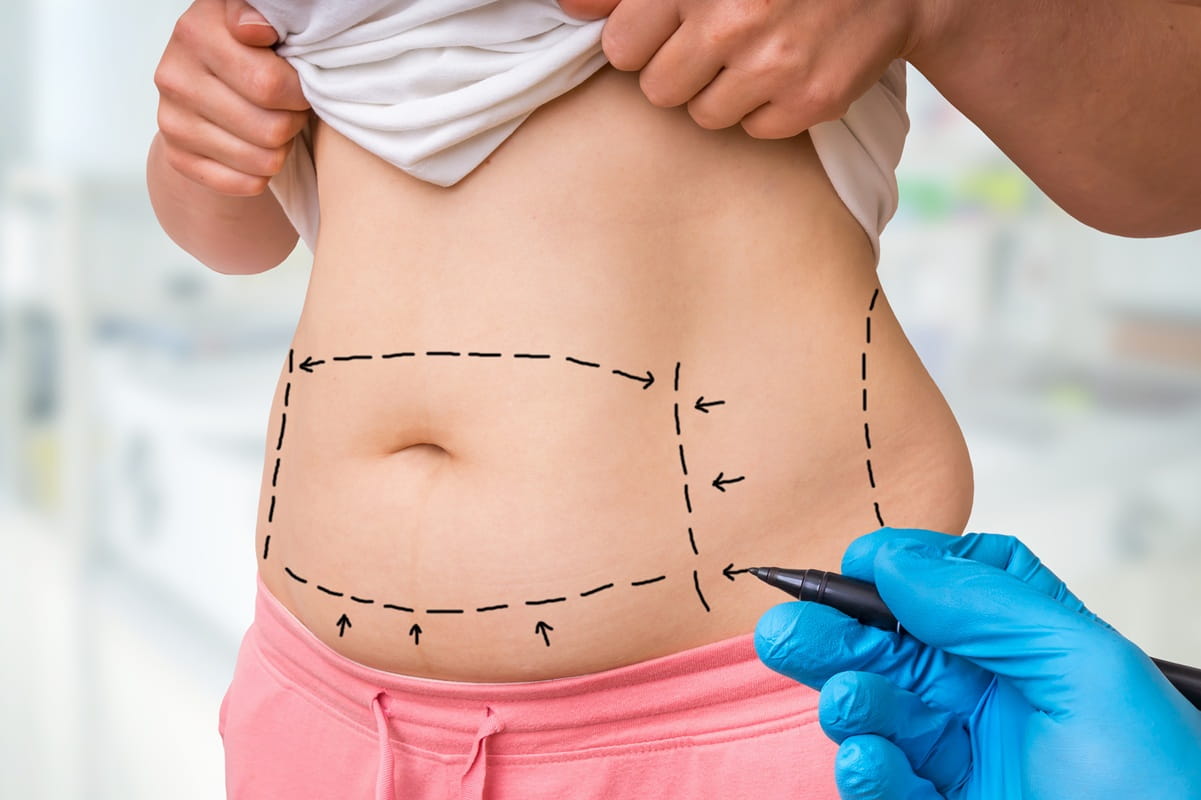
The abdomen is one of those areas where fat tissue can be exceptionally stubborn. Even with a sensible diet, regular exercise and weight loss, this is often exactly where a "muffin top" remains, throwing off the body's proportions. In such situations, liposuction can be a good solution, but only when it addresses a real problem. In our practice, we treat it as a body-contouring procedure, not a weight-loss method. Find out what you should know before abdominal liposuction.
When does abdominal liposuction make sense?
We most often recommend abdominal liposuction to people who have a localized excess of fat tissue, the so-called muffin top, but are not struggling with significant excess weight and are in good general health. Liposuction works best when the problem concerns a specific area rather than the whole figure. Its goal is to improve the body's appearance, define the waist and contour the abdomen, not to "shed kilograms."
A good candidate for the procedure is usually someone who:
- maintains a relatively stable body weight,
- notices that abdominal fat won't go away despite diet and exercise,
- expects improved proportions rather than general weight loss,
- wants to make the decision after a consultation and medical qualification.
Read also: How to care for your figure when diet and training are no longer enough
What won't abdominal liposuction do?
This is one of the most important questions before deciding. Liposuction does not replace weight loss, is not a method of treating obesity, and won't be the best choice when the main problem is loose, excess skin or diastasis of the rectus abdominis muscles. In such situations, abdominoplasty often turns out to be the better direction. This procedure allows you not only to remove fat but also to excise excess skin and tighten the abdominal wall.
That's exactly why talking with a doctor is so important before the procedure. From the outside, a "large abdomen" may look similar, but the causes can vary. For one person the problem will mainly be subcutaneous fat, for another loose skin after pregnancy or after significant weight loss. And this determines whether the best path is liposuction, abdominoplasty, or sometimes a combination of procedures.
Read also: Effective ways to reduce fat tissue
What does the procedure itself look like?
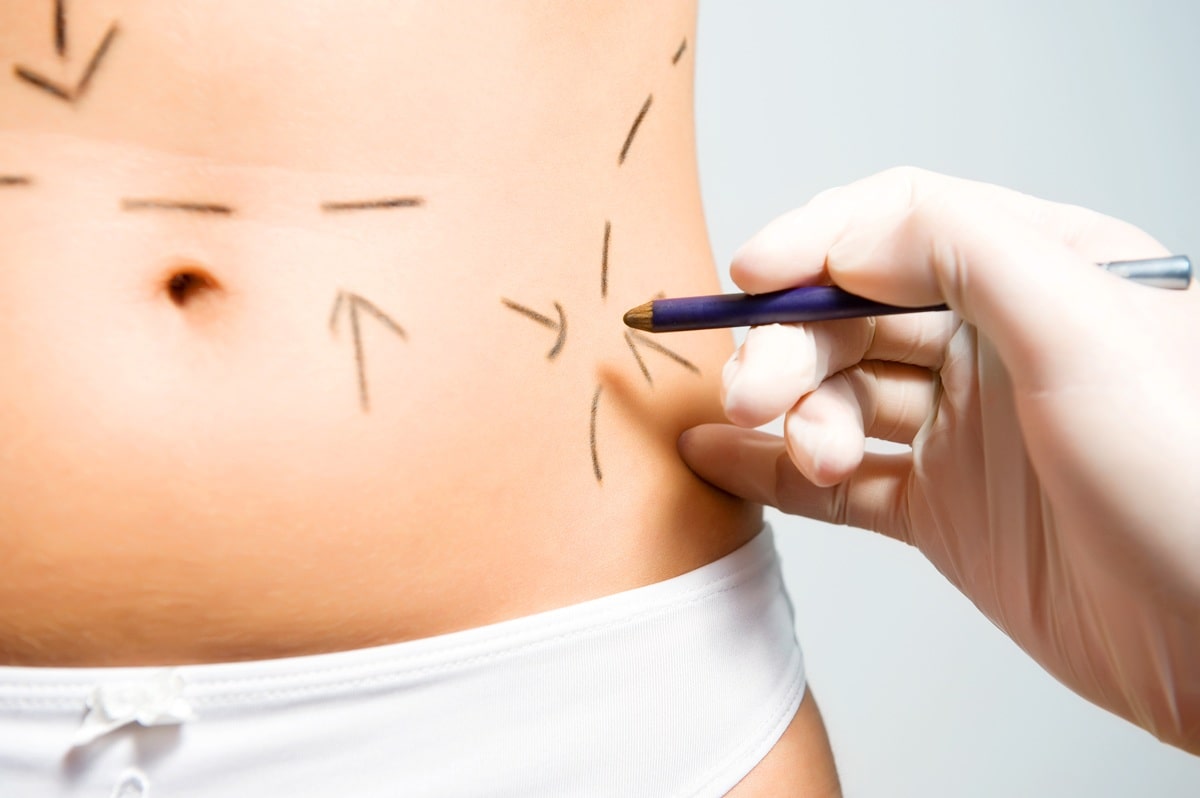
Liposuction is preceded by a consultation, tests and qualification. During the procedure itself, the surgeon marks the areas on the body from which fat tissue will be removed, then makes several small incisions. The tissue is infiltrated with an appropriate solution, then broken up and suctioned out. We use modern solutions in which fat cells are "dissolved" with a laser or ultrasound before suctioning, which is meant to reduce tissue damage. We perform the procedure under intravenous or general anesthesia, and it usually takes 2 to 5 hours, depending on the scope.
It's worth knowing that about 3-4 liters of fat can be removed during a single procedure. After the procedure, we fit a special compression garment, which helps reduce swelling and supports contouring of the treated area.
Read also: Body contouring - recommended procedures
How to prepare for abdominal liposuction?
Preparation begins earlier than the day of the procedure. You'll need tests, including a complete blood count, blood type, coagulation parameters, creatinine, glucose, electrolytes, a general urinalysis and hepatitis B vaccination. Whether additional diagnostics are needed is decided already at the qualification stage.
Three weeks before the planned liposuction, you need to discontinue blood-thinning medications and hormonal medications. A week before the procedure, we recommend limiting or stopping alcohol and cigarettes. On the day of the surgery, you need to be fasting, bathe thoroughly, remove hair from the treated area if present, and not apply any cosmetics to the skin.
What does recovery after abdominal liposuction look like?
After the procedure, the patient stays in the clinic for one day. You should expect swelling, bruising and temporary pain, which is why pain management and healing-support recommendations are used after the surgery. For about two weeks you should avoid strenuous exercise, intense sunbathing, sauna and solarium. In practice, many people return to daily activities after 1-2 weeks, and to full physical activity usually after 4-6 weeks.
In recovery, wearing compression garments matters a great deal. It's not an add-on, but an important part of the healing process. Follow-up visits, proper wound care, diet, hydration and avoiding smoking also play a big role. A good addition to recovery is also lymphatic drainage massage, which helps remove excess fluid and can speed up regeneration.
Read also: The most common mistakes after liposuction that can affect the final result
When do results become visible, and are they permanent?
The first change in contour is usually noticeable fairly quickly, but we assess the full effect only after several weeks, once the swelling subsides. This matters, because evaluating too early often leads to unnecessary worry. The final appearance of the abdomen depends not only on the procedure itself, but also on how healing progresses and whether the patient follows the recommendations.
The effects of liposuction are long-lasting, provided a stable body weight is maintained. This means the procedure can contour the abdomen very well, but it doesn't exempt you from taking care of your diet, exercise and daily habits. If significant weight fluctuations occur after the surgery, the figure can change again over time.
How much does abdominal liposuction cost?
In our current price list, abdominal liposuction costs from 13,000 to 17,000 PLN. The final price depends on the scope of the procedure and the plan established during the consultation. So it's worth looking at the cost not just as a single number, but as part of the whole process: qualification, the surgery itself, and recovery.
FAQ
Does abdominal liposuction make you lose weight?
No. Liposuction is not a method of treating obesity or a substitute for weight reduction. It's a contouring procedure that removes localized excess fat tissue from a chosen area and improves the body's proportions. It works best for people who have a relatively stable weight but, despite diet and exercise, can't get rid of fat around the abdomen.
Is abdominal liposuction a good choice after pregnancy?
It depends on the problem. If the main issue after pregnancy is localized excess fat, liposuction can help contour the abdomen and waist. However, if loose skin, a fold in the lower abdomen, or diastasis of the rectus muscles dominates, abdominoplasty more often turns out to be the better solution, because this procedure allows you to remove excess skin and tighten the abdominal wall at the same time. Which path is best is decided after a consultation.
How long does recovery after abdominal liposuction take?
Initial recovery lasts about 14 days, and the patient stays in the clinic for the first day after the procedure. During this time you should expect swelling, bruising and the need to wear compression garments. Many people return to daily activities after 1-2 weeks, while more strenuous physical effort is usually possible after 4-6 weeks. The exact pace of healing depends on the scope of the procedure and the individual's response.
What are the most important contraindications to liposuction?
The most important contraindications include coagulation disorders, unregulated diabetes, chronic, autoimmune and cancerous diseases, vascular disorders, active skin and mucosal infections, and pregnancy. In our communication, we also emphasize that the procedure is not performed on people with significant excess weight or on habitual smokers. That's exactly why medical qualification before the procedure is mandatory.
How much does abdominal liposuction cost at Dr Szczyt?
Currently, the price of abdominal liposuction at our clinic ranges from 13,000 to 17,000 PLN. The final amount depends on the scope of the planned correction and the arrangements made after the consultation. This is one of the reasons it's not worth making a decision based solely on the general term "liposuction," because the cost and plan of the procedure should always match the actual anatomical problem.
Worth watching


Related articles




Join our newsletter to stay up to date on features and news.

