

Body Lipotransfer – Body Contouring with Your Own Fat: Who Is It a Good Solution For?
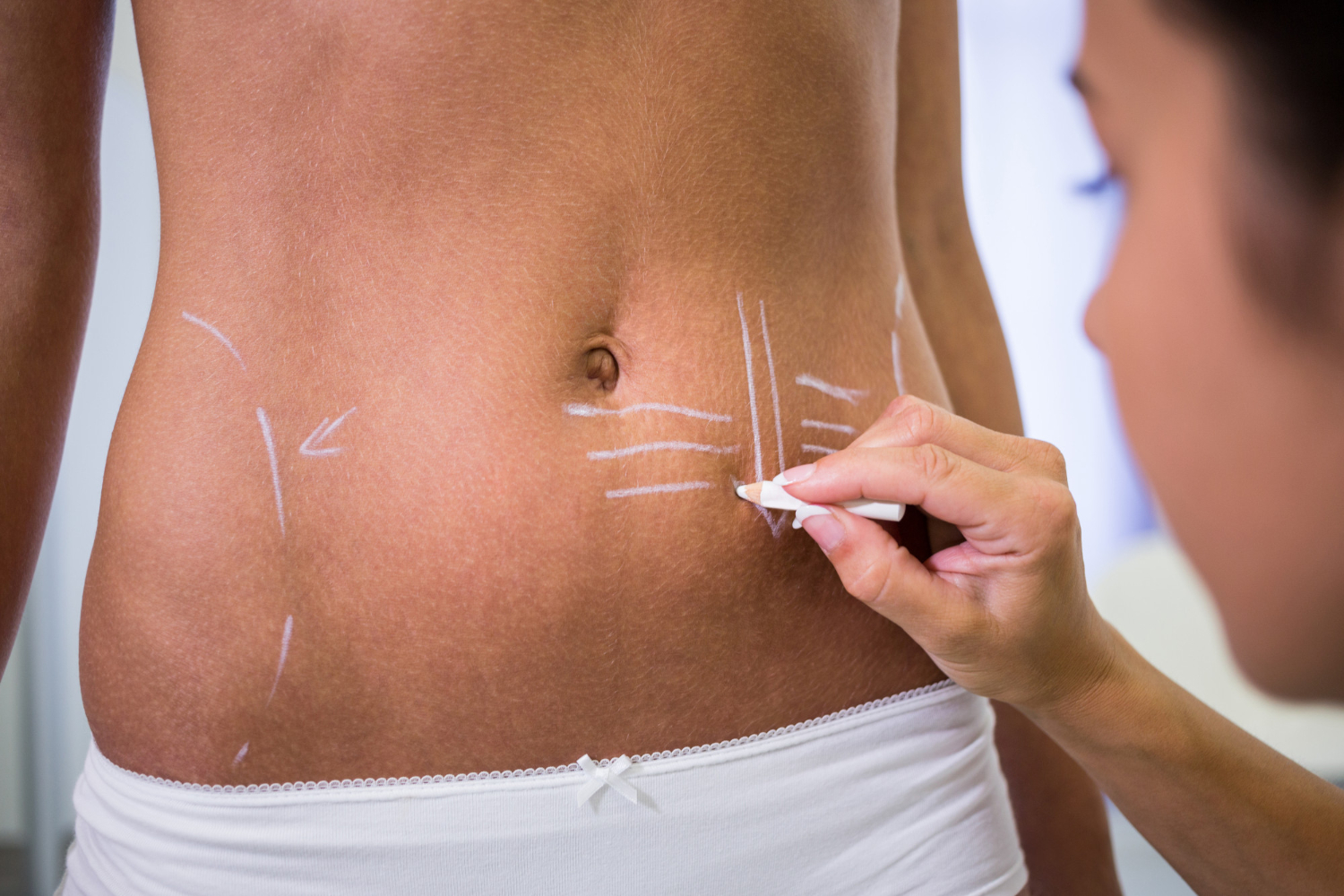
Lipotransfer (fat tissue transplantation) is a procedure that combines two needs in a single treatment: it slims areas with excess fatty tissue and fills in areas that need more volume. The key point is that the "filling" material is the patient's own fat - which is why the result is often perceived as very natural, without the use of implants or synthetic fillers.
This is a solution that works well both for body contouring and for select rejuvenating indications. Below you'll find a clear, medically accurate overview: what the procedure involves, what the indications are, what results can realistically be achieved, and for whom lipotransfer is a particularly good choice.
What Does Lipotransfer Involve, and Why Does It Give a Natural Result?
Lipotransfer involves:
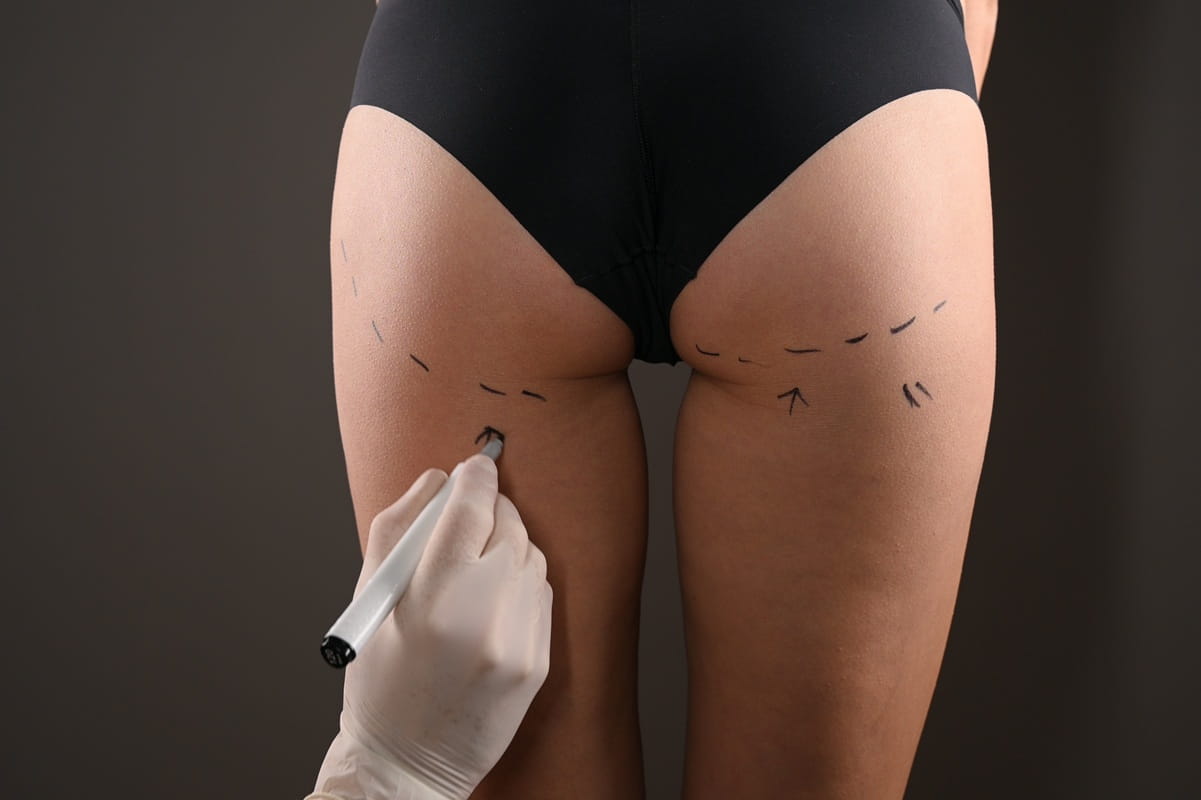
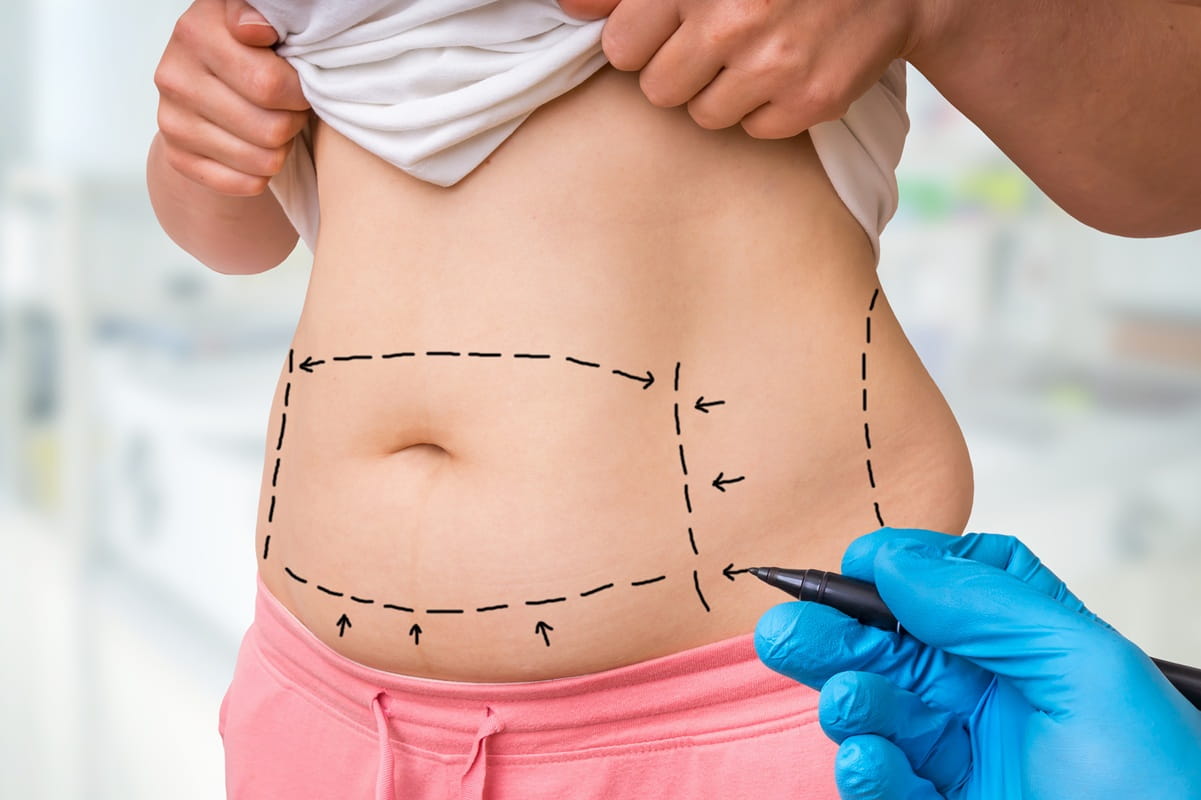
- harvesting fatty tissue from areas where it is in excess (most often the abdomen, hips, thighs),
- properly preparing the harvested fat (purification, usually by centrifugation and filtration),
- precisely transplanting the fat into areas that need volume correction or filling (e.g. buttocks, breasts, selected areas of the face, hands).
In practice, this means that a single procedure can improve body proportions: reducing volume in one place and adding it where more fullness is needed. Because the patient's own material is used, the body "recognizes" it, and the risk of allergy or rejection is minimal.
What Does the Procedure Look Like Step by Step?
The type of anesthesia is selected by the doctor - lipotransfer can be performed under local, intravenous, or general anesthesia, depending on the extent of the procedure.
Next:
- fat is suctioned from selected areas using thin cannulas,
- the material is purified and prepared for transplantation,
- the prepared fat is injected with a thin cannula into the target area.
The average duration of the procedure is about 60-120 minutes. The patient usually stays at the clinic for up to 24 hours. After the procedure, it is necessary to wear special compression garments for a few weeks over the areas where fat was harvested.
Who Is Body Lipotransfer a Good Solution For?
Lipotransfer is a particularly good choice if you care about:
Natural Contouring Without Implants
If you want to improve the volume or shape of a selected part of the body but want to avoid implant-based solutions or synthetic fillers, lipotransfer can be a natural alternative - especially for breast or buttock contouring.
Improving Proportions: "Less Here, More There"
The procedure is good for people who have localized excess fatty tissue (e.g. abdomen, hips, thighs) while also wanting to add volume in another area. This kind of "work on proportions" often produces a harmonious, aesthetic result.
Correcting Volume Deficits and Irregularities
Lipotransfer also works well when the goal is:
- correcting post-traumatic and post-surgical scars,
- smoothing out irregularities and improving contour.
A Skin-Rejuvenating Effect
Fatty tissue contains cells that support regeneration - this is why lipotransfer can improve skin quality and have a revitalizing effect, which is used, among other things, in the area of the hands, neck, or décolletage.
The Most Common Indications - Where Is Lipotransfer Performed?
The procedure is versatile. The most common indications include:
- breast augmentation and contouring (a natural alternative to implants),
- buttock contouring and augmentation,
- restoring facial volume: cheeks, under-eye area, nasolabial folds, lips,
- reducing wrinkles and improving the facial oval,
- correcting post-traumatic and post-surgical scars,
- rejuvenating the hands, neck, and décolletage,
- improving skin quality thanks to the presence of stem cells in fatty tissue.
Results - What Can You Expect and How Long Do They Last?
Lipotransfer provides natural filling and contouring of selected areas. Within just a few days, you may notice:
- smoother skin,
- restored volume,
- improved body proportions or contours.
The most important results include:
- natural contouring of selected body areas,
- softening of wrinkles and folds,
- improved facial oval and body contours,
- hand rejuvenation and skin revitalization,
- reduction of scars and irregularities.
The results last many months, but it's important to keep in mind an honest and important medical fact: some of the transplanted fat undergoes natural resorption. If the goal is to maintain or enhance the result, the procedure can be repeated.
Recovery - How Long Does It Take?
Recovery is usually relatively short:
- return to daily activities usually after 7-14 days,
- the fat harvesting sites may experience swelling and tenderness,
- stitches are removed after about 7 days,
- dressings are changed daily at home (details are determined by the surgeon),
- a compression garment is worn over the donor areas for a few weeks.
Why Do Patients Choose Lipotransfer?
These are the most common deciding factors:
- natural material - minimal risk of allergy or rejection,
- two effects in one: slimming and contouring,
- the potential for rejuvenating skin quality,
- short recovery and long-lasting results.
Tests and Preparation - What Is Usually Needed?
Before the procedure, standard tests are usually performed, including:
- blood type, complete blood count,
- coagulation parameters (APTT, INR),
- creatinine, glucose, electrolytes (Na, K),
- general urinalysis,
- hepatitis B vaccination.
The scope may vary depending on the doctor's decision and the treatment plan.
When Is Lipotransfer Not a Good Idea?
Contraindications include, among others:
- vascular disorders,
- clotting disorders,
- uncontrolled hypertension,
- uncontrolled diabetes,
- purulent infections of the skin and mucous membranes,
- pregnancy.
The final qualification is always determined by the doctor based on the patient's history and test results.
FAQ - Body Lipotransfer
Does Lipotransfer Give a Natural Result?
Yes. The procedure uses the patient's own fatty tissue, so the filling and contouring effect is natural, without the use of implants or synthetic fillers.
Where Is the Fat Harvested From, and Where Can It Be Transplanted?
Fatty tissue is most often harvested from areas with excess fat - e.g. the abdomen, hips, or thighs. After preparation, it is transplanted into areas that need improved volume, such as the breasts, buttocks, face, or hands.
How Long Does the Procedure Take, and Does It Require a Stay at the Clinic?
The procedure takes an average of 60-120 minutes. The patient usually stays at the clinic for up to 24 hours, depending on the scope of the procedure.
What Does Recovery After Lipotransfer Look Like?
You can usually return to daily activities after 7-14 days. The fat harvesting areas may be temporarily swollen and tender. Stitches are removed after about 7 days, and dressings are changed daily at home according to the surgeon's instructions. A compression garment must be worn over the donor areas for a few weeks.
Are the Results Permanent?
The effect is long-lasting and persists for many months, but some of the transplanted fat undergoes natural resorption. If needed, the procedure can be repeated to maintain or enhance the result.
Worth watching


Related articles



Join our newsletter to stay up to date on features and news.

