

What is a BBL (Brazilian Butt Lift), and who is it suitable for?
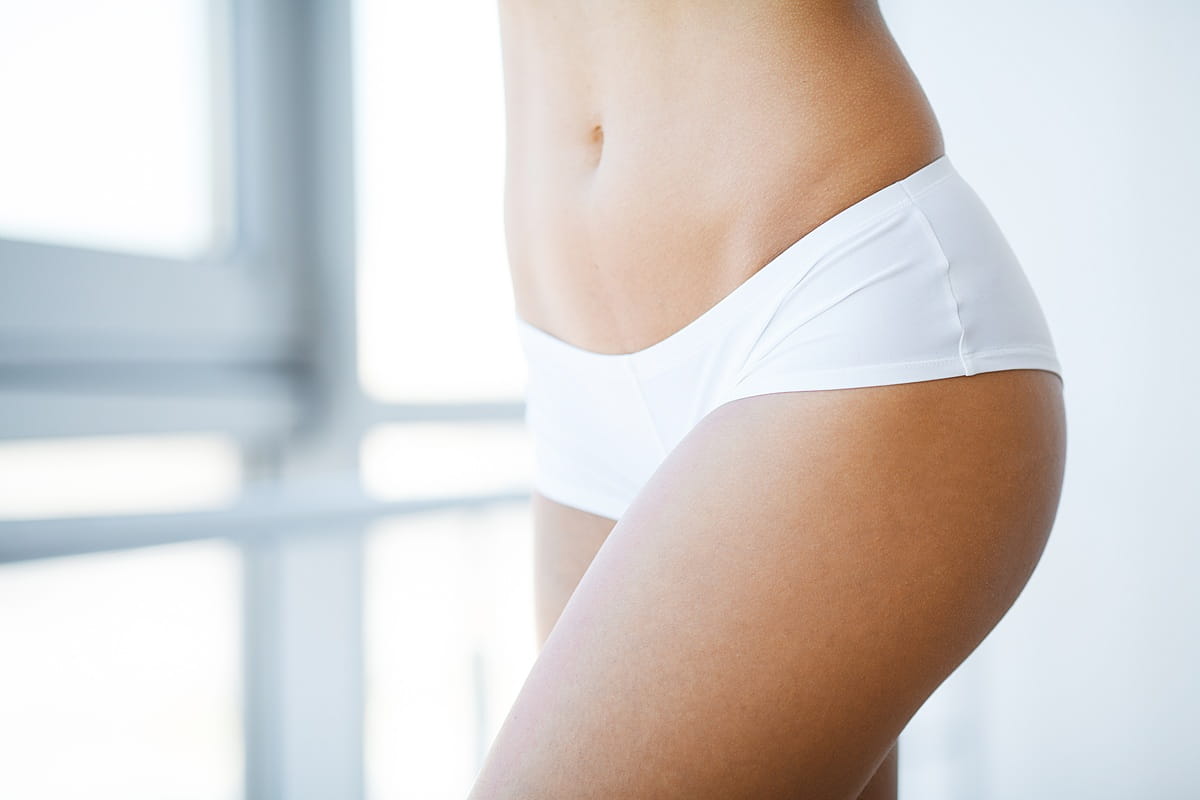
Full, firm buttocks are now considered an essential part of a well-proportioned figure. However, their shape and volume don’t always meet expectations—even with regular exercise and a healthy diet. In such cases, the Brazilian Butt Lift (BBL) is increasingly being considered as a solution.
This is a body contouring procedure that helps achieve a rounder, fuller buttock shape without the use of implants. In this article, I explain what this method involves, what results it delivers, and who it is suitable for.
What is BBL?
A BBL (Brazilian Butt Lift) is a procedure that involves augmenting and contouring the buttocks using the patient’s own fat tissue. It is also known as buttock lipofilling or gluteoplasty.
This method originated in South America and has been developed since the 1960s as an alternative to implants. Its main advantage is the use of a natural material—the patient’s own fat—which allows for a harmonious result that blends seamlessly with the rest of the body.
What is the BBL procedure?
BBL is based on the lipotransfer procedure, which involves the transplantation of adipose tissue.
The procedure is carried out in stages:
- Consultation and evaluation – the doctor assesses the patient’s body proportions and the amount of fat that can be removed.
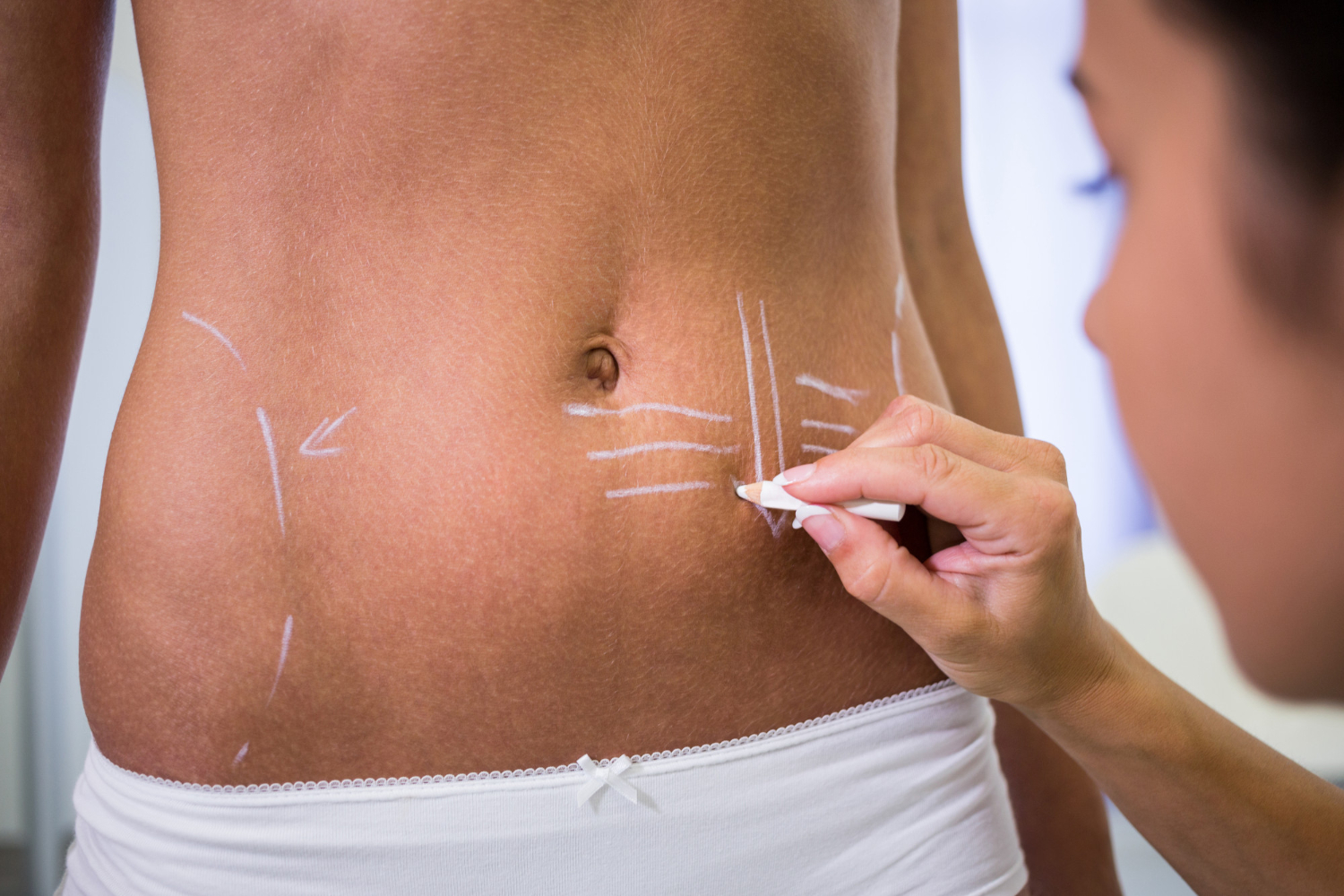
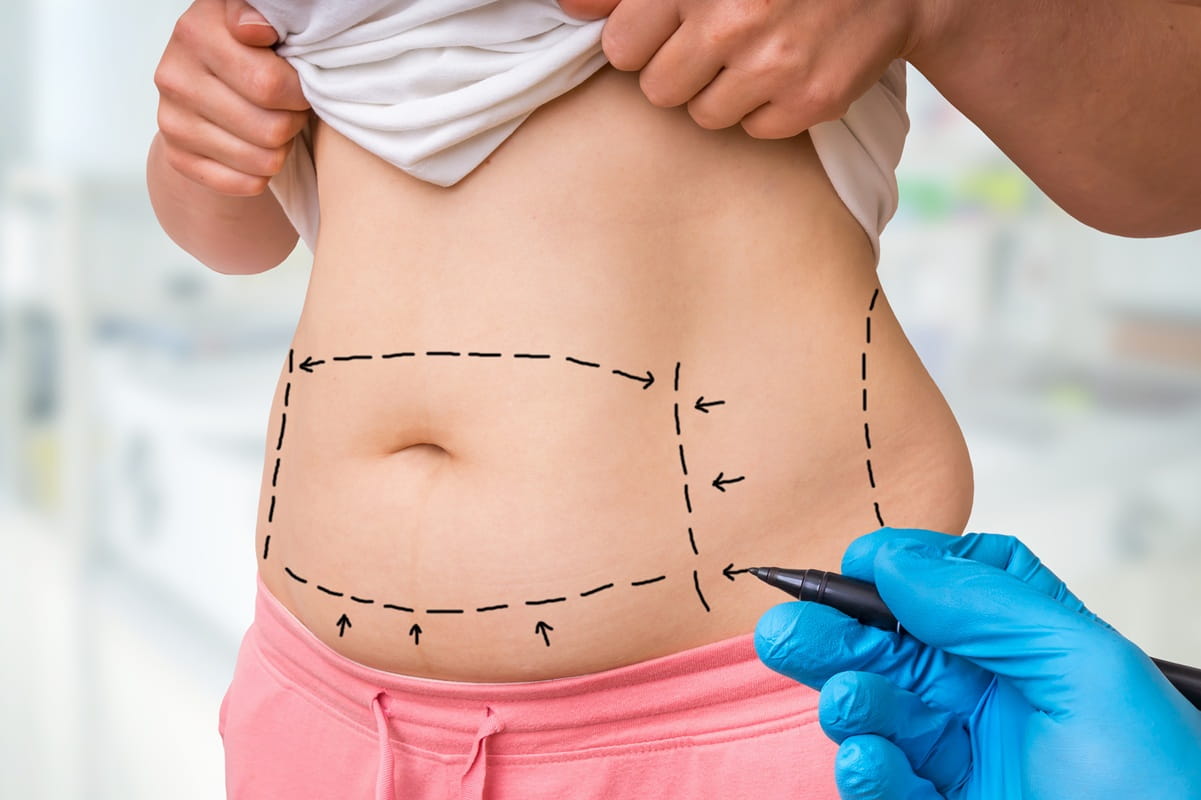
- Liposuction – fat is removed from areas where there is excess fat, most commonly from the abdomen, hips, thighs, or back.
- Material purification – the collected tissue is prepared through centrifugation and filtration to isolate the most valuable cells.
- Fat transfer – purified fat is injected through fine cannulas into specific areas of the buttocks to achieve a symmetrical, natural shape.
The entire procedure usually takes about 1.5 to 2 hours and is performed under local or general anesthesia, depending on the extent of the procedure.
Why is BBL an alternative to implants?
Unlike implants:
- does not require large surgical incisions,
- does not leave visible scars,
- uses its own biological material,
- looks and feels natural,
- It also helps slim down other parts of the body.
Once healed, the transplanted fat integrates with the surrounding tissue and retains its softness and elasticity. Approximately 60–80% of the fat cells remain permanently, while some are naturally absorbed in the first few months following the procedure.
Who is BBL suitable for?
BBL is intended for both women and men who:
- have small buttocks and want to achieve a fuller shape without implants,
- notice asymmetry or an uneven outline,
- are struggling with a loss of firmness,
- have lost a significant amount of weight,
- have tissue defects resulting from injuries,
- want to improve their body proportions by slimming down their stomach, hips, or thighs at the same time.
A prerequisite for the procedure is having a sufficient amount of fat tissue for the transplant. Being underweight may be a contraindication.
See also: When should you opt for buttock augmentation without implants?
What results does BBL produce?
The results of the procedure are visible immediately after it is performed; however, it is important to note that swelling is present during the first few weeks and gradually subsides. The final result can be assessed after about 3–6 months, once the transplanted fat cells have fully stabilized and the healing process is complete. BBL helps achieve fuller, more lifted, and rounder buttocks, while improving the proportions of the entire figure. If fat was harvested from the abdomen or hips, an additional effect is a slimmer waist, which emphasizes the body’s natural contours. The results are long-lasting, provided that a stable body weight is maintained after the procedure.
In summary, the procedure offers the following benefits:
- a firmer, rounder butt,
- a more rounded outline,
- improving body proportions,
- a slimmer waist (if fat was harvested from the abdomen or hips).
The results are long-lasting as long as you maintain a stable body weight.
Recovery after BBL
The recovery period typically lasts 7 to 14 days, although the pace of returning to full activity depends on the individual’s physical condition and the extent of the procedure. It is crucial to follow postoperative instructions, as they are key to proper healing and long-lasting results. For about 4 weeks, it is necessary to wear special compression garments in the areas from which fat tissue was harvested. During the first few weeks, you should avoid sleeping on your back and limit sitting to the absolute minimum so as not to disrupt the integration process of the transplanted fat cells. It is recommended to postpone intense physical activity for at least 3 weeks. To reduce swelling and accelerate recovery, starting in the second week, you may consider specialized drainage massages, as recommended by your doctor.
In summary, after the procedure, you should:
- wear special compression underwear for about 4 weeks,
- avoid sleeping on your back,
- keep sitting to a minimum,
- refrain from strenuous physical activity for at least 3 weeks,
- Starting in the second week, consider lymphatic drainage massages (as recommended by your doctor).
Contraindications for BBL
The most important contraindications include:
- Cancer and autoimmune diseases,
- heart disease,
- unregulated diabetes,
- coagulation disorders,
- infections at the treatment site,
- Pregnancy and breastfeeding,
- significant overweight or underweight.
The final decision regarding eligibility is made by a doctor following a thorough medical history review and examination.
Is BBL for everyone?
BBL produces natural, proportionate results, but it is not the right choice for those expecting a very large, dramatic increase in size comparable to that achieved with implants. It is a procedure for those who value a natural look and want to enhance their body contours in a harmonious way.
A thorough consultation is essential—it helps identify realistic possibilities and tailor the scope of the procedure to the patient’s body type.
FAQ – Frequently Asked Questions About BBL
Is BBL safe?
The Brazilian butt lift is a safe procedure, provided that the patient is properly screened and the procedure is performed by an experienced physician. A thorough pre-operative consultation, an assessment of the patient’s health, the exclusion of any contraindications, and the proper technique for administering the transplanted tissue are of key importance. Unlike implants, this method uses the patient’s own fat, which eliminates the risk of an allergic reaction or rejection of the material. Like any medical procedure, however, the surgery carries certain risks, which is why it is so important to strictly follow pre- and post-operative instructions.
How long do the effects last?
The results of the procedure are long-lasting. Approximately 60–80% of the transplanted fat cells remain permanently and integrate with the tissues at the new site. However, it is important to note that some cells undergo natural resorption in the first few months after the procedure, so the final result is assessed after 3–6 months. The longevity of the result also depends on maintaining a stable body weight—significant weight fluctuations can affect the volume of the transplanted fat.
Will there be any scars after the procedure?
The procedure is performed using thin cannulas, which means there is no need for large surgical incisions. The injection sites are small and usually become virtually invisible once healed. Compared to surgical BBL implant placement, this method is less invasive and requires a shorter healing time.
When can I go back to work?
Most patients return to their daily activities after about 7–14 days, though this depends on the nature of their work and how their body recovers. You should expect swelling and tenderness at the fat harvest sites and in the buttocks. You should avoid strenuous physical activity for at least 3 weeks. It is also important to avoid sitting for long periods and sleeping on your back in the initial period after the procedure so as not to disrupt the healing process.
Can the procedure be repeated?
Yes, it is possible to undergo another fat transfer if necessary. Sometimes patients opt for a second procedure to enhance the results or further refine their body contours. A follow-up procedure can be performed once the results of the first procedure have fully stabilized, usually after about 6–12 months. The decision regarding a potential repeat procedure is made by the doctor during a follow-up visit.
Can the results of a BBL fade over time?
A partial reduction in volume is a natural part of the healing process, as not all of the transplanted fat cells survive. This phenomenon is taken into account during the planning stage of the procedure. After the stabilization period, the remaining fat tissue behaves like natural tissue in that area of the body—it responds to changes in body weight but does not shift or move.
Does BBL produce the same results as implants?
BBL allows for natural buttock augmentation and contouring; however, the extent of volume increase is limited by the amount of available fat tissue and the safety of the procedure. Implants can provide a more dramatic augmentation effect, while fat transfer yields a result that is more harmonious and natural in both appearance and feel. The choice of method depends on the patient’s expectations and anatomical structure.
Can the transferred fat shift around?
No. The transferred fat is injected in precise, layered layers and then integrates with the tissues at the injection site. Once healed, it does not shift, harden, or cause a “palpable edge” effect, which can sometimes occur with implants. As a result, the buttocks retain their natural softness and respond physiologically to movement.



Related articles



Join our newsletter to stay up to date on features and news.

