
How can you stay in shape when diet and exercise aren't enough anymore?

Taking care of your physique isn’t just about aesthetics—it’s also about health. Diet, regular exercise, and physical activity are the foundations of staying in shape, but sometimes these methods aren’t enough to achieve your dream figure. Often, after a long struggle with excess weight, stretch marks, sagging skin, or localized fat deposits, the results remain unsatisfactory despite dieting and intense exercise. In such cases, modern aesthetic medicine and plastic surgery offer solutions that help improve body contours and restore the figure’s proportions.
Liposuction – an effective way to tackle stubborn fat deposits
Sometimes, despite regular exercise and a healthy diet, fat in certain areas of the body remains resistant to any changes. This can affect the abdomen, thighs, hips, or arms—even when you lose weight. In such situations, liposuction.
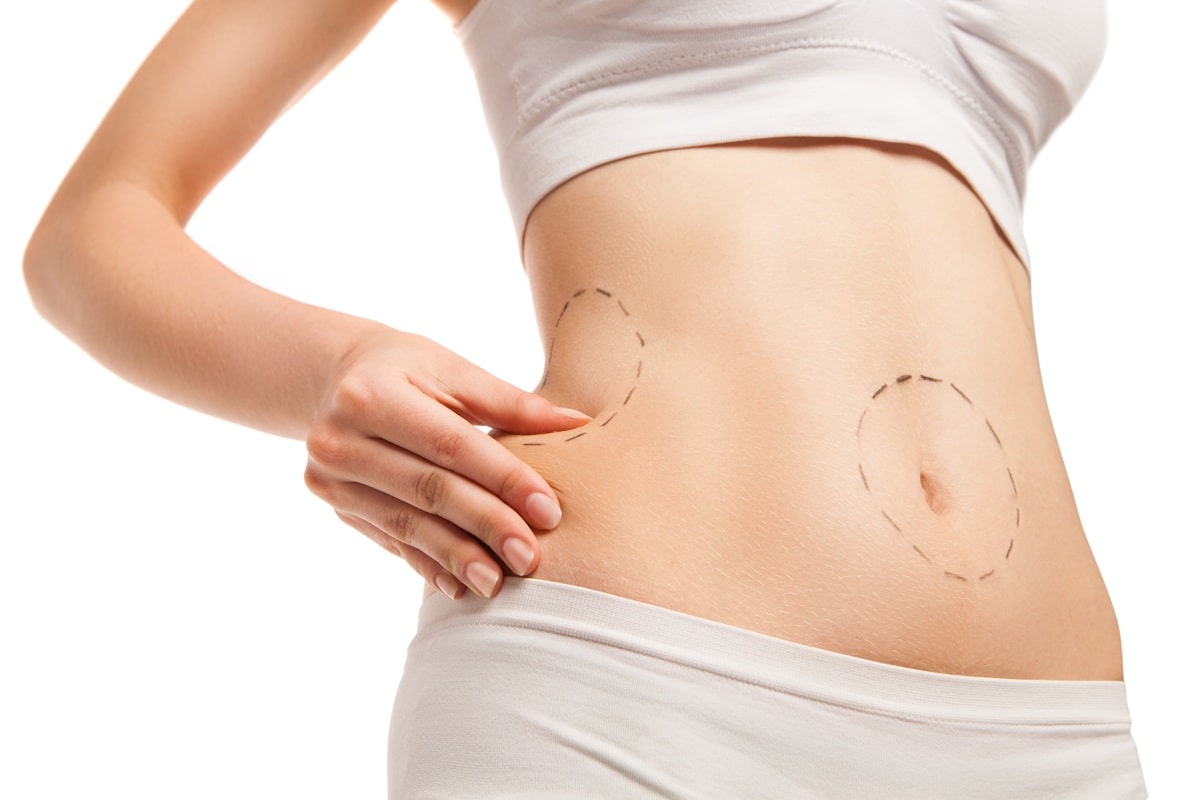
Liposuction is a procedure that effectively removes excess fat from specific areas of the body. The procedure involves inserting thin cannulas into the fatty tissue to remove the fat, resulting in a more proportionate body contour. The procedure is minimally invasive and can be performed under local or general anesthesia, depending on the extent of the procedure.
Liposuction allows for precise body contouring and is an excellent solution for people who struggle with localized fat deposits and for whom diet and exercise no longer produce satisfactory results. The results of the procedure are long-lasting, provided that a stable body weight is maintained.
Tummy tuck – restoring firmness after weight loss
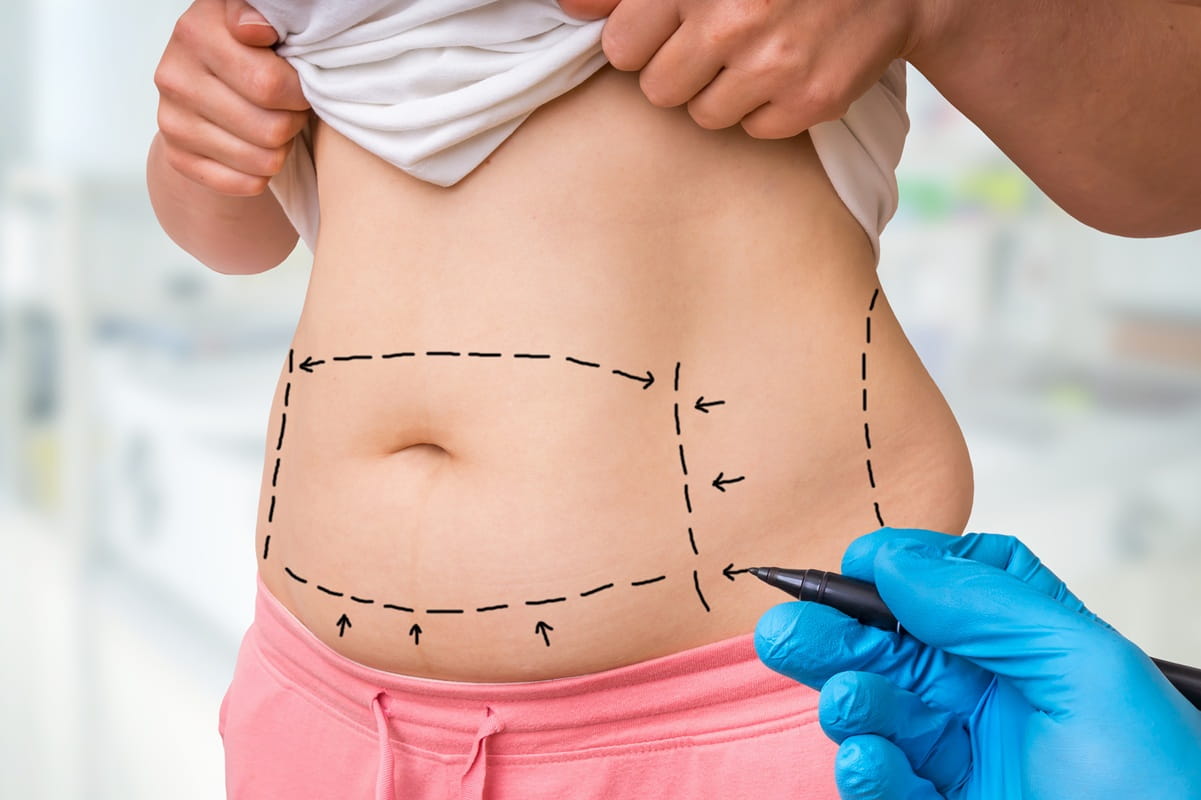
After losing a significant amount of weight, especially following pregnancy, many people experience sagging skin around the abdomen. The skin loses its elasticity, and stretch marks and excess skin can be difficult to eliminate through exercise or diet alone. A tummy tuck (abdominoplasty) is a procedure that effectively addresses this issue.
During a tummy tuck, the surgeon removes excess skin, tightens the abdominal wall, and, if necessary, strengthens the abdominal muscles. The procedure helps restore firmness, smooth the skin, and improve body contour. Tummy tucks are particularly recommended for people who, after significant weight loss or pregnancy, have difficulty getting rid of excess skin in the lower abdomen.
Recovery from this procedure typically takes 7 to 14 days, and the results are long-lasting as long as the patient maintains a stable body weight.
Arm contouring – upper body sculpting
Just as with the abdomen, loose skin and excess fat after weight loss can also affect the arms. An arm lift, or brachioplasty, is a procedure that improves the shape and firmness of this area of the body.
The procedure involves removing excess skin and fat from the upper arms, resulting in a slimmer, more proportionate silhouette. Upper arm lift surgery is particularly effective for people who, after significant weight loss, are left with loose skin on the upper body that cannot be tightened through exercise alone.
As with a tummy tuck, recovery from the procedure usually takes 7 to 14 days. The results of the procedure are long-lasting, provided the patient maintains a stable weight.
How do I choose the right treatment?
The decision on which procedure to choose depends on your individual needs and expectations. If the issue is excess fat in a specific area of the body, liposuction may be the ideal solution. If, on the other hand, the goal is to improve skin firmness after weight loss or pregnancy, a tummy tuck or arm lift may yield the best results.
The most important thing is to consult with an experienced plastic surgeon before making a decision; they will help you choose the right procedure, taking into account your health, expected results, and anatomical characteristics.
Why should you consider surgery?
Procedures such as liposuction, tummy tucks, and arm lifts offer quick, visible, and long-lasting results that can help restore self-confidence and improve body proportions. They are an excellent solution for people who struggle with stubborn fat, sagging skin, or stretch marks that do not disappear despite efforts related to diet and exercise. Thanks to modern plastic surgery techniques, it is possible to achieve natural and aesthetically pleasing results that enhance your body’s appearance and improve your quality of life.
FAQ – Frequently Asked Questions About Body Contouring Treatments
How long does it take to recover from liposuction?
Recoveryafter liposuction depends on the extent of the procedure and the patient’s individual physical condition. Patients can usually return to their daily activities after 1–2 weeks; however, during this time, they must follow the doctor’s instructions, including wearing special compression garments, which aid in the healing process and reduce swelling. Depending on the treatment area, bruising may occur after liposuction, which subsides within a few days. A fully recovered body is ready for normal physical activity after about 4–6 weeks.
Does a tummy tuck remove stretch marks?
Atummy tuck(abdominoplasty) removes excess skin, which often includes the removal of stretch marks, especially those located in the lower abdomen. For stretch marks located above the navel, a tummy tuck can reduce their appearance but will not remove them completely. It is worth noting that this procedure affects the skin’s structure, improving its firmness and tone, which can also reduce the visibility of stretch marks. For more complete results in reducing stretch marks, the patient may also consider other complementary treatments, such as laser therapy.
Does arm lift surgery leave scars?
Arm lift surgery(brachioplasty) involves making incisions, which results in scarring. These scars are typically located along the inner side of the arms, allowing them to be concealed within natural skin folds. The length of the scars depends on the extent of the procedure and the amount of skin that needs to be removed. Although scars are unavoidable, thanks to modern surgical techniques, they are becoming less visible and, over time, less noticeable. Additionally, scars can be minimized through proper care and the use of scar-healing products.
What are the contraindications for cosmetic procedures?
Contraindicationsfor cosmetic procedures include a range of health issues that may affect the safety of the surgery or the recovery process. These include:
- heart and circulatory diseases —especially in cases involving uncontrolled arrhythmias, hypertension, or other cardiovascular diseases.
- diabetes —especially if it is not properly managed, as it can affect the healing process and increase the risk of infection.
- blood clotting problems – people with blood clotting disorders or those taking anticoagulants may be at risk of bleeding complications.
- active skin infections – surgery is not recommended in areas where there are active infections or inflammation.
- Pregnancy and breastfeeding – Cosmetic procedures are not performed on pregnant or breastfeeding women, as hormonal changes can affect the outcome of the surgery.
It is recommended that, before deciding to undergo the procedure, the patient undergo a thorough medical consultation to rule out any contraindications and ensure that the procedure is safe.
Are the results of these treatments permanent?
Yes, the results of procedures such as liposuction, tummy tucks, and arm lifts are permanent, provided that the patient maintains a stable body weight after surgery. Liposuction removes fat from specific areas of the body, and the fat that is removed does not regrow in those areas, which means the results are permanent. Tummy tucks and arm lifts allow for the removal of excess skin, improving the shape and firmness of the skin, which also provides a permanent result. However, it is important to remember that natural aging processes, weight fluctuations, or pregnancy may affect the appearance of the treated areas in the future. Regularly maintaining your figure through a healthy diet and physical activity will help preserve the results of the procedures for longer.



Related articles




Join our newsletter to stay up to date on features and news.

