

Trichology at Dr Szczyt Plastic Dr Szczyt – How Can We Help Treat Hair Problems?
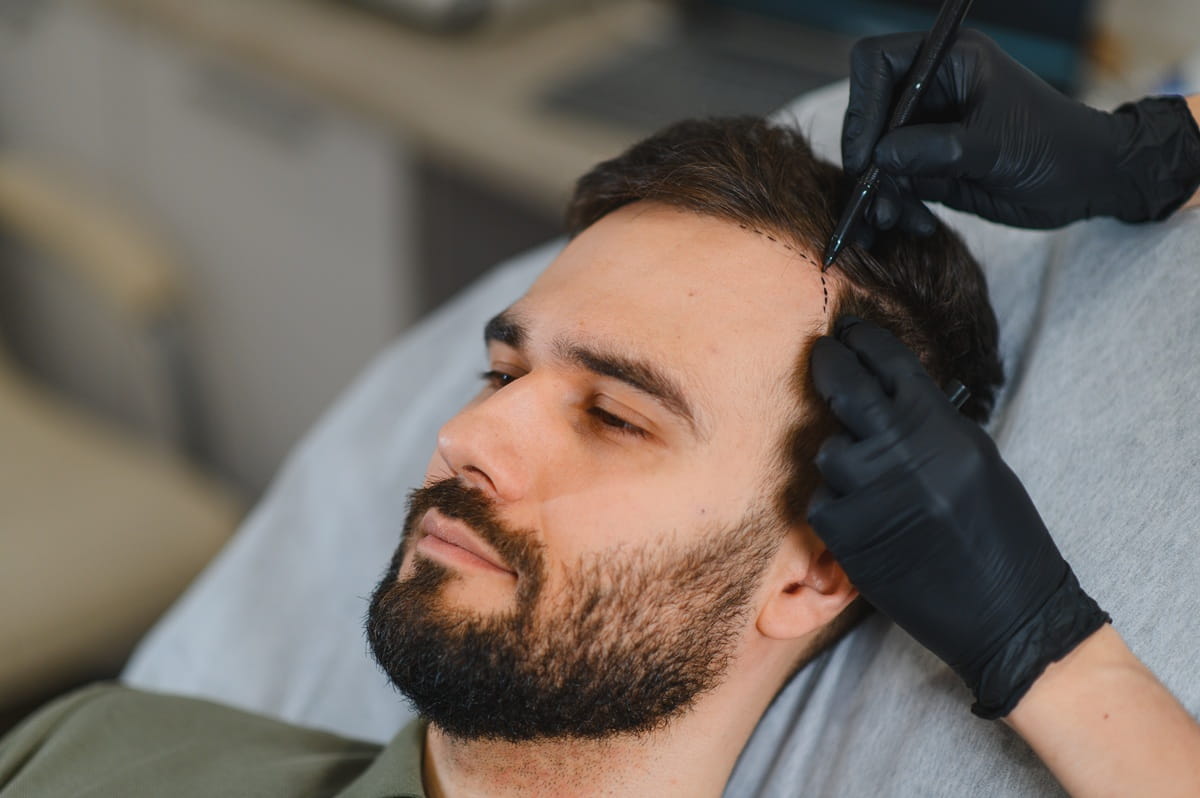
Hair problems—such as excessive hair loss, baldness, or weakened hair structure—affect many people. These issues can result from various factors, including stress, hormonal changes, genetics, diet, or medical conditions. At Dr Szczyt Plastic Dr Szczyt Clinic, we offer comprehensive care for these issues. Thanks to the latest technologies and diagnostic methods, our approach is personalized and effective. Below, we present treatments that can help you regain healthy, thick hair.
A trichology consultation – the first step toward healthy hair
Any treatment for hair problems should begin with a trichological consultation. During this meeting with our specialist in the diagnosis and treatment of scalp and hair problems, we will thoroughly assess the condition of your scalp, the nature of the problem, and the causes of hair loss. Based on your medical history and an analysis of your hair condition, we will plan the most appropriate treatment.
The consultation also helps determine whether the issues are related to androgenetic alopecia or may be caused by other factors, such as vitamin deficiencies or hormonal imbalances. With the help of appropriate tests, we can select treatment methods tailored to your needs.
FUE Hair Transplantation – An Effective Solution for People with Advanced Hair Loss
If hair loss is already at an advanced stage and other methods are not producing the desired results, FUE hair transplantation (Follicular Unit Extraction) may prove to be an effective solution. It is a modern and minimally invasive hair transplant method that involves harvesting healthy hair follicles from areas with full hair coverage (most often from the back of the head) and transplanting them to areas affected by baldness.
The advantage of this method is that it does not require large incisions, resulting in minimal scarring and a shorter recovery time. The procedure produces a natural-looking result, as the transplanted hair grows just like the hair in its original location. The full results are visible after a few months, and the hair grows thick and naturally.
Before deciding to undergo a hair transplant, the patient should be thoroughly evaluated by a specialist. There are certain contraindications to the procedure. These include:
- cancer – particularly during treatment or without full remission,
- autoimmune diseases that may affect tissue regeneration,
- heart disease and circulatory problems,
- diabetes, especially if it is uncontrolled,
- blood clotting disorders or the use of anticoagulants,
- scalp infections or any inflammatory lesions in the graft area,
- insufficient fat tissue at the donor site (for procedures requiring fat transfer),
- pregnancy and breastfeeding – during these periods, you should avoid unnecessary medical procedures,
- active skin lesions in the area where the graft is to be placed.
The decision to perform a hair transplant is made by a doctor following a detailed medical history and examinations to ensure the patient's safety.
Regenera Activa – Treatment for Androgenetic Alopecia
Androgenetic alopecia, which affects both men and women, is one of the most common causes of hair loss. Regenera Activa is a modern treatment for this type of hair loss that uses the patient’s own stem cells. The procedure involves harvesting a small amount of fat tissue from the patient’s body and then processing it to obtain stem cells and growth factors.
When injected into the scalp, stem cells promote skin regeneration and stimulate new hair growth. This method can produce long-lasting results, halt the progression of hair loss, and improve hair quality. Regenera Activa is an effective treatment, particularly in the early stages of androgenetic alopecia.
Stem Cells in the Treatment of Hair Loss – A Modern Approach
Treating hair loss with stem cells is one of the most advanced methods in trichology. The stem cells used in this procedure are derived from the patient’s own tissue—most commonly from adipose tissue. After isolation, they are administered to the scalp, where they stimulate tissue regeneration, improve microcirculation, and stimulate hair follicles to produce new hair.
Stem cell therapy is effective for both androgenetic alopecia and general weakening of the hair structure. Unlike other methods, this approach carries no risk of rejection, as the material used comes from the patient’s own body.
Follow-up care after a hair transplant – how to speed up recovery?
After a hair transplant, it’s worth considering additional supportive therapies that can speed up recovery and stimulate new hair growth. At our clinic, we offer several effective supportive treatments that help achieve optimal results after a hair transplant.
Scalp mesotherapy
Scalp mesotherapy is a procedure that involves injecting active substances, such as vitamins, minerals, and amino acids, directly into the scalp. This improves microcirculation and nourishes the hair follicles, promoting their regeneration and stimulating new hair growth. Mesotherapy is an effective treatment for promoting hair growth after a transplant.
Platelet-rich plasma (PRP)
Platelet-rich plasma (PRP) is a treatment that uses the patient’s own plasma. It contains growth factors that stimulate tissue regeneration, improve microcirculation in the scalp, and accelerate new hair growth. Platelet-rich plasma is one of the most effective methods for enhancing the results of a hair transplant, particularly for smaller areas of hair loss.
Minoxidil
Minoxidil is a topical medication that promotes new hair growth. When applied to the scalp, minoxidil supports regeneration and stimulates hair follicle activity, which accelerates the healing process and hair growth following a transplant.
What are the benefits of treating hair problems at Dr Szczyt Plastic Dr Szczyt ?
Our clinic offers comprehensive care for hair-related issues. By utilizing modern diagnostic and therapeutic methods, we are able to tailor treatments to each patient’s individual needs. The benefits of treatment at our clinic include:
- Professional diagnosis and personalized care – we offer each patient a detailed consultation and a customized treatment plan.
- Modern technologies – we use innovative methods such as FUE hair transplantation, Regenera Activa, platelet-rich plasma, and stem cells.
- Experienced specialists – our doctors are experts in the field of trichology who provide comprehensive care and support at every stage of treatment.
FAQ – Frequently Asked Questions
How long does recovery take after a hair transplant?
Recoveryafter a hair transplant usually takes 7 to 14 days. During this time, you may experience slight swelling and redness, which subside within a few days. The results become visible after a few months, when the transplanted hair begins to grow.
Does a hair transplant produce a natural-looking result?
Yes, the transplanted hair grows naturally, just as it did in its original location. Thanks to the precise FUE method, the results look very natural, and the procedure leaves no visible scars.
Does platelet-rich plasma help treat hair loss?
Yes, platelet-rich plasma (PRP) is one of the most effective methods for treating hair loss. Thanks to the growth factors contained in the plasma, the treatment stimulates new hair growth and scalp regeneration.
What treatments can enhance the results of a hair transplant?
Aftera hair transplant, it is recommended to use supportive therapies such as scalp mesotherapy, platelet-rich plasma (PRP), and minoxidil, which improve microcirculation, nourish the hair follicles, and accelerate new hair growth.
What are the advantages of FUE hair transplantation?
FUE hair transplantationis minimally invasive, leaves no visible scars, and produces natural-looking results. It is an effective treatment for hair loss that restores thick, healthy hair to areas affected by hair loss.
Worth watching




Related articles




Join our newsletter to stay up to date on features and news.

