

How to firm up facial skin after age 40? Facial treatments for mature skin

After the age of 40, many people begin to notice changes in their skin’s appearance that were previously less noticeable. The face may gradually lose its firmness, the contours become less defined, and the skin—despite regular care—looks less taut and more tired.
This is a natural stage associated, among other things, with a decline in the production of collagen, elastin, and hyaluronic acid. However, it’s worth knowing that there are ways to support your skin during this stage—both through daily habits and carefully selected treatments.
Why does skin lose its firmness after age 40?
Changes in the skin's appearance result from several processes occurring simultaneously:
- a decrease in collagen and elastin production,
- a decrease in hyaluronic acid levels,
- volume loss in tissues,
- weakening of the structures that support the skin,
- the effects of external factors, such as UV radiation or lifestyle.
As a result, the skin becomes thinner, less elastic, and less able to maintain its firmness.
Is skincare enough?
The right skincare routine is still very important. Regular moisturizing, sun protection, and the use of active ingredients help keep your skin healthy.
However, it’s important to realize that for more advanced changes, skincare works mainly on the surface. If the goal is to improve the firmness, tone, and contour of the face, professional treatments are often necessary.
What treatments can help improve skin firmness?
In aesthetic medicine, there are several methods that can be considered depending on the skin’s needs and the patient’s expectations. It is essential to tailor the solution to the specific situation.
Microneedling – improving skin quality
Mesotherapy involves the direct application of active ingredients to the skin. This helps improve the skin’s hydration, nourishment, and overall condition.
The treatment doesn't work like a facelift, but it supports the skin "from the inside," which can result in a fresher appearance and improved elasticity.
Platelet-rich plasma – supporting regeneration
Platelet-rich plasma utilizes the body’s own resources. The growth factors contained in the plasma can stimulate regenerative processes and support skin repair.
This solution is often chosen by people who prefer a more natural approach to improving skin quality.
Hyaluronic acid treatments – hydration and volume
Hyaluronic acid occurs naturally in the skin, but its levels decrease with age. Treatments using hyaluronic acid can:
- improve hydration,
- restore lost volume,
- affect skin elasticity,
- gently contour selected areas of the face.
Depending on your needs, various techniques are used—from moisturizing to more sculpting ones.
Non-surgical facelift – improving facial contours without surgery
A soft lift is a procedure that uses hyaluronic acid to gently lift the tissues and improve facial contours.
The goal is not to alter facial features, but to subtly “lift” them and restore their proportions. This is an option for people who notice sagging skin but do not want surgical procedures.
Do these procedures replace surgery?
Not always. Non-invasive and minimally invasive treatments can improve skin quality and provide a rejuvenating effect, but they have their limitations.
In cases of more advanced loss of firmness and noticeable sagging of the tissues, the results may be limited. Therefore, it is important to have realistic expectations and to be aware that:
- these treatments can improve your appearance,
- but they don't completely stop the aging process,
- and their scope of practice differs from that of surgery.
How do I choose the right treatment?
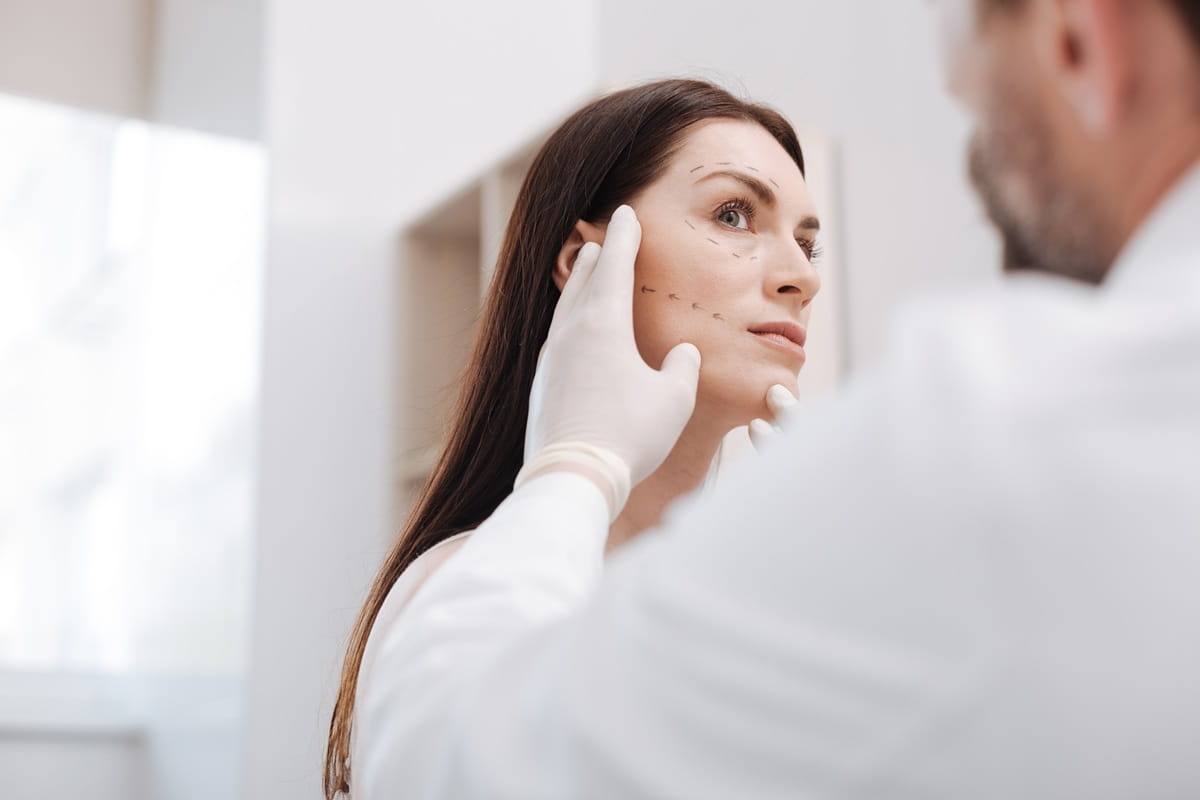
The most important factor is an individual assessment. During the consultation, the doctor evaluates:
- skin condition,
- degree of loss of firmness,
- facial proportions,
- the patient's expectations.
Based on this, a treatment plan is selected, which may involve a single method or a combination of methods.
What else matters?
Treatments are just one part of the equation. The appearance of the skin is also influenced by:
- regular care,
- sun protection,
- sleep and recovery,
- diet and hydration,
- lifestyle.
This combination produces the most consistent results.
Losing skin firmness after age 40 is a natural process, but that doesn’t mean there’s nothing you can do about it. Depending on your needs, you can support your skin through skincare, healthy habits, and—if necessary—appropriately selected treatments.
The most important thing is to take a realistic and personalized approach. The goal doesn’t have to be a “perfect face,” but one that looks fresh, balanced, and age-appropriate.
FAQ
Is it still possible to improve skin firmness after age 40?
Yes, although aging is a natural process that cannot be completely stopped. However, carefully selected treatments and skincare can improve skin firmness and its overall condition.
Which treatment is best?
There is no one-size-fits-all method. The choice depends on the condition of your skin and your expectations. Often, the best results come from combining several approaches.
Are the results permanent?
The results last for a certain period of time and require repeat treatments. Skin aging is an ongoing process.
Are the procedures painful?
Most procedures are performed under local anesthesia or with the use of medications to reduce discomfort.
When should you schedule a consultation?
When you notice a loss of firmness, changes in your facial contours, or if you want to choose skincare products and treatments tailored to your skin’s current needs.

.jpg)


Similar articles




Dołącz do naszego biuletynu, aby być na bieżąco z funkcjami i nowościami.

